

Sleep: Your Dream Years
 Life Skills

 30 Min
 activity
Discover how much of our lives we spend sleeping by charting a typical day and scaling it up to a lifetime. This activity helps us visualize time management and the importance of rest in a fun, tangible way.
The lesson goal is learners will discover how much of their life is dedicated to sleep by charting a typical day and scaling it up over years. They will also gain an understanding of daily time management and the importance of rest through creating a personal routine chart.
What You Need
Missing something? Don't let it stop you.
The app offers easy alternatives for every item you have at home.
Learning Guide
Step-by-step guidance. No preparation required.
- 1
What Does Your Day Look Like?5 Min
- Look at a breakfast item together.
- Ask: "What did you do first this morning? What happened next?"
- Ask: "What do you usually do every day when you first wake up?"
- Move on when Child describes at least 3 parts of their typical daily routine.
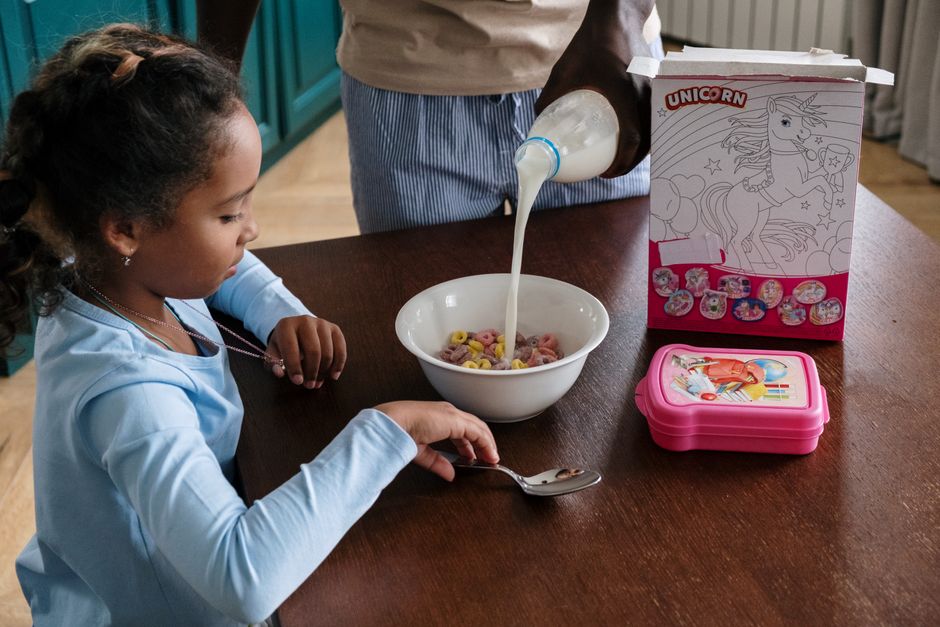 Photo by cottonbro studio on Pexels
- 2
Map Your 24 Hours8 Min
- Show a blank paper. Ask: "How could we draw your whole day on this?"
- Ask: "What do you think is the activity you do for the longest time each day?"
- Ask: "How could we show that on our day map?"
- Move on when Child has brainstormed how to represent a 24-hour day visually and identified sleep as a major daily activity.
- 3
The Big Sleep Count6 Min
- Explain: An 'average' is the typical amount. A 'proportion' is how much of one thing there is compared to the whole.
- Ask: "If a day has 24 hours, and most people sleep about 8 hours, what part of the day is that?" (Hint: 8 is 1/3 of 24.)
- Ask: "If we sleep 1/3 of every day, how much of our whole life do you think we spend sleeping?"
- Share: "The average person spends about **26 years** of their life asleep!"
- Move on when Student can explain that a large portion of a day is spent sleeping and predicts (even if inaccurately) how much of a lifetime that would be.
- 4
Build Your Routine Chart9 Min
- Gather paper, markers, scissors, and glue.
- Ask: "How will you divide your paper to show different parts of your day?"
- Help them mark off a section for 'sleep' that represents about 8 hours.
- Have them draw or write other daily activities in the remaining sections.
- Encourage decorating and making the chart colorful.
- Move on when Child has a completed visual daily routine chart with activities and a clear section for sleep.
Photo by RDNE Stock project on Pexels - 5
Your Lifetime of Zzz's2 Min
- Ask: "What's the most interesting thing you learned from making your chart?"
- Ask: "How do you feel about spending about 26 years of your life asleep?"
- Move on when Student shares one key takeaway or thought about sleep or their daily routine.
 Photo by cottonbro studio on Pexels

How many years do we sleep?
Life Skills30 MinactivityDiscover how much of our lives we spend sleeping by charting a typical day and scaling it up to a lifetime. This activity helps us visualize time management and the importance of rest in a fun, tangible way.
Our Goal is learners will discover how much of their life is dedicated to sleep by charting a typical day and scaling it up over years. They will also gain an understanding of daily time management and the importance of rest through creating a personal routine chart.
What You Need
Missing something? In the app, Mai suggests swap ideas.
Learning Guide
Step-by-step guidance. No preparation required.
- 1
What Does Your Day Look Like?5 Min
- Look at a breakfast item together.
- Ask: "What did you do first this morning? What happened next?"
- Ask: "What do you usually do every day when you first wake up?"
- Move on when Child describes at least 3 parts of their typical daily routine.
Photo by cottonbro studio on Pexels - 2
Map Your 24 Hours8 Min
- Show a blank paper. Ask: "How could we draw your whole day on this?"
- Ask: "What do you think is the activity you do for the longest time each day?"
- Ask: "How could we show that on our day map?"
- Move on when Child has brainstormed how to represent a 24-hour day visually and identified sleep as a major daily activity.
- 3
The Big Sleep Count6 Min
- Explain: An 'average' is the typical amount. A 'proportion' is how much of one thing there is compared to the whole.
- Ask: "If a day has 24 hours, and most people sleep about 8 hours, what part of the day is that?" (Hint: 8 is 1/3 of 24.)
- Ask: "If we sleep 1/3 of every day, how much of our whole life do you think we spend sleeping?"
- Share: "The average person spends about **26 years** of their life asleep!"
- Move on when Student can explain that a large portion of a day is spent sleeping and predicts (even if inaccurately) how much of a lifetime that would be.
- 4
Build Your Routine Chart9 Min
- Gather paper, markers, scissors, and glue.
- Ask: "How will you divide your paper to show different parts of your day?"
- Help them mark off a section for 'sleep' that represents about 8 hours.
- Have them draw or write other daily activities in the remaining sections.
- Encourage decorating and making the chart colorful.
- Move on when Child has a completed visual daily routine chart with activities and a clear section for sleep.
Photo by RDNE Stock project on Pexels - 5
Your Lifetime of Zzz's2 Min
- Ask: "What's the most interesting thing you learned from making your chart?"
- Ask: "How do you feel about spending about 26 years of your life asleep?"
- Move on when Student shares one key takeaway or thought about sleep or their daily routine.
Photo by cottonbro studio on Pexels
In The Mai App
Bring This Spark To Life
Same Spark, with Mai by your side
Mai Leads It
Mai leads the Spark out loud, so they can learn on their own.
Step-By-Step
Get every step with Mai's tips, one at a time, at your pace.


Quick Swaps
Missing something? Mai suggests swap ideas, so you can start now.
Beyond The Spark
After, a fun fact, a challenge and a Table Talk question.