
Food Journey Detectives
 Life Skills

 30 Min
 activity
Become food detectives and embark on a fascinating journey to discover the original homes of our favorite foods. This Spark connects everyday breakfast items to the diverse global origins of Thanksgiving's traditional feast, fostering gratitude for our interconnected world.
The lesson goal is learners will become food detectives, identifying the diverse geographic origins of common breakfast and Thanksgiving foods. They will understand that many ingredients travel long distances and appreciate the rich global interconnectedness reflected in our daily meals and holiday traditions.
What You Need
Missing something? Don't let it stop you.
The app offers easy alternatives for every item you have at home.
Learning Guide
Step-by-step guidance. No preparation required.
- 1
Breakfast Table Start5 Min
- Choose 2-3 breakfast items for discussion.
- Ask them where they think each item came from, encouraging any guess.
- Move on when Children have chosen a few breakfast items to investigate and offered initial guesses about their origins.
 Photo by Rufina Rusakova on Pexels
- 2
Explore & Plan: Mapping Our Food8 Min
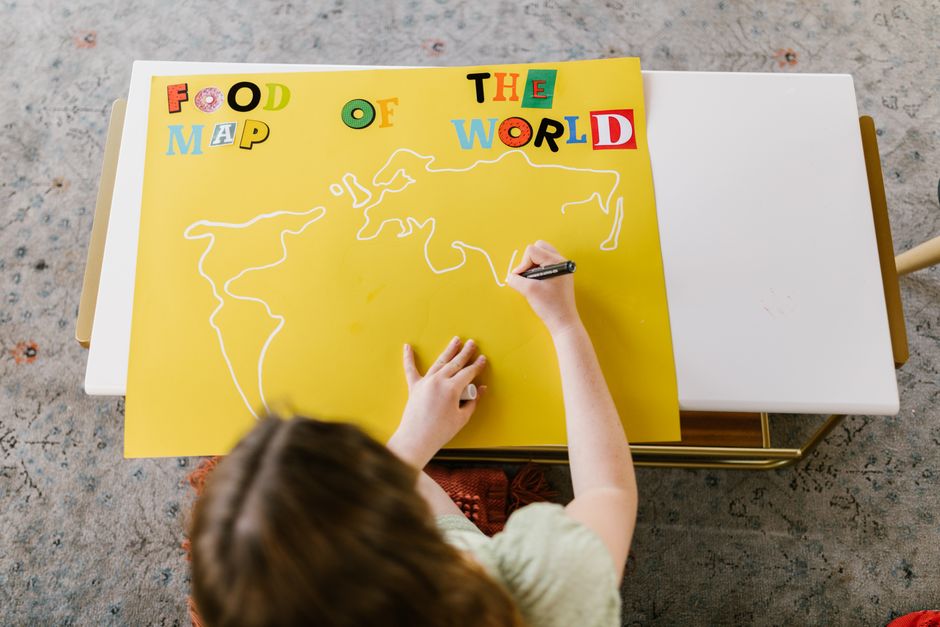
- Gather the selected breakfast items to investigate.
- Draw or sketch a simple world map outline on paper.
- Ask how they could mark the origins of food on the map.
- Move on when A simple world map is drawn (or mentally agreed upon), and children have discussed how to place their chosen food items.
 Photo by Vika Glitter on Pexels
- 3
Discussion: The Story of Food Origins6 Min
- Listen to their predictions about food origins before you reveal the concept.
- Introduce the term 'food origin' and its meaning.
- Ask them to apply the idea of 'food origin' to different foods.
- Move on when Student can explain the core concept of 'food origin' in their own words, without reciting the examples they were given, and apply it to a case that was not mentioned.
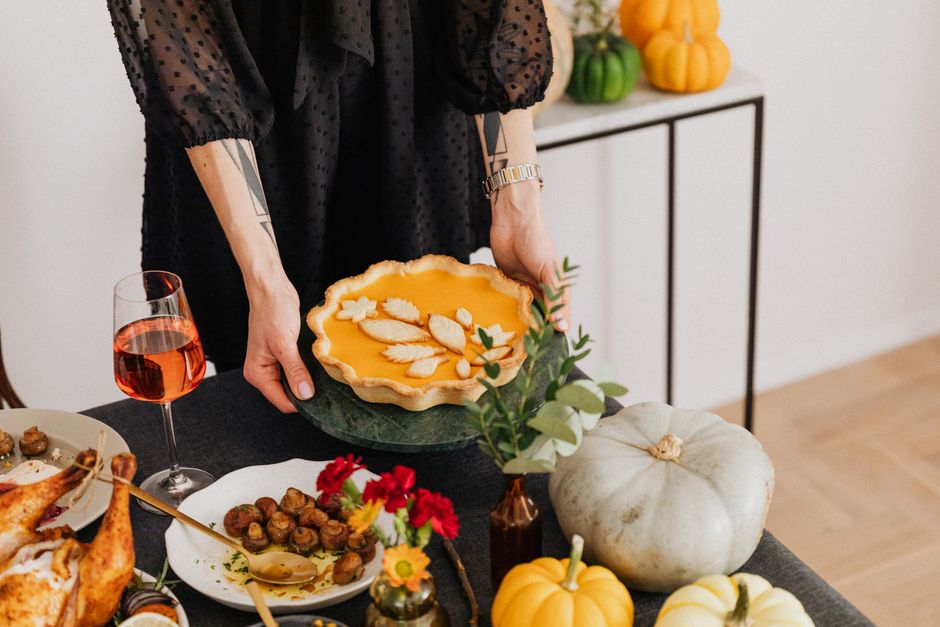 Photo by https://kaboompics.com/ on Pexels
- 4
Activity: Plotting the Global Feast9 Min
- Reveal the origins of 2-3 breakfast foods (e.g., orange: Southeast Asia, wheat: Middle East).
- Reveal the origins of 2-3 Thanksgiving foods (e.g., turkey, corn, cranberries: North America; potatoes: South America).
- Have children draw or place symbols for each food on the map in its origin region.
- Ask what surprised them most about the food journeys.
- Move on when Children have successfully identified and marked the origins of at least 5 food items on their map (or discussed their origins if not physically mapping).
Photo by RDNE Stock project on Pexels - 5
Summary: A World of Gratitude2 Min
- Ask them to reflect on the global nature of their food.
- Prompt them to share one new thing they are grateful for.
- Move on when Student shares one key takeaway about food origins, global connections, or gratitude.
 Photo by RDNE Stock project on Pexels
Where do our favorite foods come from?
Life Skills30 MinactivityBecome food detectives and embark on a fascinating journey to discover the original homes of our favorite foods. This Spark connects everyday breakfast items to the diverse global origins of Thanksgiving's traditional feast, fostering gratitude for our interconnected world.
Our Goal is learners will become food detectives, identifying the diverse geographic origins of common breakfast and Thanksgiving foods. They will understand that many ingredients travel long distances and appreciate the rich global interconnectedness reflected in our daily meals and holiday traditions.
What You Need
Missing something? In the app, Mai suggests swap ideas.
Learning Guide
Step-by-step guidance. No preparation required.
- 1
Breakfast Table Start5 Min
- Choose 2-3 breakfast items for discussion.
- Ask them where they think each item came from, encouraging any guess.
- Move on when Children have chosen a few breakfast items to investigate and offered initial guesses about their origins.
Photo by Rufina Rusakova on Pexels - 2
Explore & Plan: Mapping Our Food8 Min
- Gather the selected breakfast items to investigate.
- Draw or sketch a simple world map outline on paper.
- Ask how they could mark the origins of food on the map.
- Move on when A simple world map is drawn (or mentally agreed upon), and children have discussed how to place their chosen food items.
Photo by Vika Glitter on Pexels - 3
Discussion: The Story of Food Origins6 Min
- Listen to their predictions about food origins before you reveal the concept.
- Introduce the term 'food origin' and its meaning.
- Ask them to apply the idea of 'food origin' to different foods.
- Move on when Student can explain the core concept of 'food origin' in their own words, without reciting the examples they were given, and apply it to a case that was not mentioned.
Photo by https://kaboompics.com/ on Pexels - 4
Activity: Plotting the Global Feast9 Min
- Reveal the origins of 2-3 breakfast foods (e.g., orange: Southeast Asia, wheat: Middle East).
- Reveal the origins of 2-3 Thanksgiving foods (e.g., turkey, corn, cranberries: North America; potatoes: South America).
- Have children draw or place symbols for each food on the map in its origin region.
- Ask what surprised them most about the food journeys.
- Move on when Children have successfully identified and marked the origins of at least 5 food items on their map (or discussed their origins if not physically mapping).
Photo by RDNE Stock project on Pexels - 5
Summary: A World of Gratitude2 Min
- Ask them to reflect on the global nature of their food.
- Prompt them to share one new thing they are grateful for.
- Move on when Student shares one key takeaway about food origins, global connections, or gratitude.
Photo by RDNE Stock project on Pexels
In The Mai App
Bring This Spark To Life
Same Spark, with Mai by your side
Mai Leads It
Mai leads the Spark out loud, so they can learn on their own.
Step-By-Step
Get every step with Mai's tips, one at a time, at your pace.


Quick Swaps
Missing something? Mai suggests swap ideas, so you can start now.
Beyond The Spark
After, a fun fact, a challenge and a Table Talk question.