

Your Brain's Sweet Spot
 Life Skills

 30 Min
 activity
This lesson explores why our brains react differently to sweet, salty, and sour tastes. Children will conduct a taste test, discover the evolutionary reasons behind our preferences, and then design a simple snack station that considers these brain signals.
The lesson goal is learners will discover the unique roles of sweet, salty, and sour tastes in the body. They will then explain why the brain prioritizes sweet for fast energy and apply this understanding to design a smart snack station.
What You Need
Missing something? Don't let it stop you.
The app offers easy alternatives for every item you have at home.
Learning Guide
Step-by-step guidance. No preparation required.
- 1
Breakfast Tastes & Brain Signals5 Min
- Look at your breakfast. Ask: 'What tastes do you notice right now?'
- Move on when Child identifies at least one sweet and one salty item from breakfast and shares their initial thoughts on why they might like those tastes.
 Photo by Tima Miroshnichenko on Pexels
- 2
Explore & Plan Our Taste Test8 Min
- Identify three main tastes: sweet, salty, sour. What does each tell your brain?
- Gather your taste samples: fruit, pinch of salt, lemon wedge.
- Predict: Which taste do you think your brain will like most for energy?
- Move on when Child predicts which taste (sweet, salty, or sour) the brain might 'prefer' for a specific reason, and materials are ready for tasting.
 Photo by Jahra Tasfia Reza on Pexels
- 3
Brain's Taste Code: Sweet, Salty, Sour6 Min
- Taste each sample: sweet, salty, then sour. Discuss sensations.
- Explain the brain's code: Sweet = Fast Fuel; Salty = Body Helpers; Sour = Warning!
- Ask: 'Why does our brain love sweet energy so much?'
- Move on when Student can explain the basic function of sweet, salty, and sour tastes for the body in their own words, without reciting the examples they were given, and can connect the brain's preference for sweet to energy.
 Photo by Amel Uzunovic on Pexels
- 4
Build Your Brain-Smart Snack Station9 Min
- Label three plates/bowls: 'Fast Fuel', 'Body Builders', 'Warning!'
- Place your tasted items into the correct brain-signal category.
- Brainstorm other snacks that fit into each category.
- Move on when Student has successfully sorted the tasted items into their brain-signal categories and identified at least one additional snack for each category.
Photo by Yan Krukau on Pexels - 5
Smart Snacking for Our Brains2 Min
- Ask: 'How does knowing this change how you think about snacks?'
- Move on when Student shares one key takeaway about how their brain reacts to different tastes or how this knowledge might influence snack choices.
 Photo by Yaroslav Shuraev on Pexels

Why does your brain crave sweet?
Your Brain's Sweet Spot
Life Skills30 MinactivityThis lesson explores why our brains react differently to sweet, salty, and sour tastes. Children will conduct a taste test, discover the evolutionary reasons behind our preferences, and then design a simple snack station that considers these brain signals.
Our Goal is learners will discover the unique roles of sweet, salty, and sour tastes in the body. They will then explain why the brain prioritizes sweet for fast energy and apply this understanding to design a smart snack station.
What You Need
Missing something? In the app, Mai suggests swap ideas.
Learning Guide
Step-by-step guidance. No preparation required.
- 1
Breakfast Tastes & Brain Signals5 Min
- Look at your breakfast. Ask: 'What tastes do you notice right now?'
- Move on when Child identifies at least one sweet and one salty item from breakfast and shares their initial thoughts on why they might like those tastes.
Photo by Tima Miroshnichenko on Pexels - 2
Explore & Plan Our Taste Test8 Min
- Identify three main tastes: sweet, salty, sour. What does each tell your brain?
- Gather your taste samples: fruit, pinch of salt, lemon wedge.
- Predict: Which taste do you think your brain will like most for energy?
- Move on when Child predicts which taste (sweet, salty, or sour) the brain might 'prefer' for a specific reason, and materials are ready for tasting.
Photo by Jahra Tasfia Reza on Pexels - 3
Brain's Taste Code: Sweet, Salty, Sour6 Min
- Taste each sample: sweet, salty, then sour. Discuss sensations.
- Explain the brain's code: Sweet = Fast Fuel; Salty = Body Helpers; Sour = Warning!
- Ask: 'Why does our brain love sweet energy so much?'
- Move on when Student can explain the basic function of sweet, salty, and sour tastes for the body in their own words, without reciting the examples they were given, and can connect the brain's preference for sweet to energy.
Photo by Amel Uzunovic on Pexels - 4
Build Your Brain-Smart Snack Station9 Min
- Label three plates/bowls: 'Fast Fuel', 'Body Builders', 'Warning!'
- Place your tasted items into the correct brain-signal category.
- Brainstorm other snacks that fit into each category.
- Move on when Student has successfully sorted the tasted items into their brain-signal categories and identified at least one additional snack for each category.
Photo by Yan Krukau on Pexels - 5
Smart Snacking for Our Brains2 Min
- Ask: 'How does knowing this change how you think about snacks?'
- Move on when Student shares one key takeaway about how their brain reacts to different tastes or how this knowledge might influence snack choices.
Photo by Yaroslav Shuraev on Pexels
In The Mai App
Bring This Spark To Life
Same Spark, with Mai by your side
Mai Leads It
Mai leads the Spark out loud, so they can learn on their own.
Step-By-Step
Get every step with Mai's tips, one at a time, at your pace.


Quick Swaps
Missing something? Mai suggests swap ideas, so you can start now.
Beyond The Spark
After, a fun fact, a challenge and a Table Talk question.
More Sparks Like This
If they loved this one, they might love these too
- Life SkillsMake Diwali ShineExplore the meaning behind Diwali, the Festival of Lights, by designing and crafting a symbolic light decoration. This activity encourages creativity and understanding of cultural traditions through hands-on making.Try This Spark
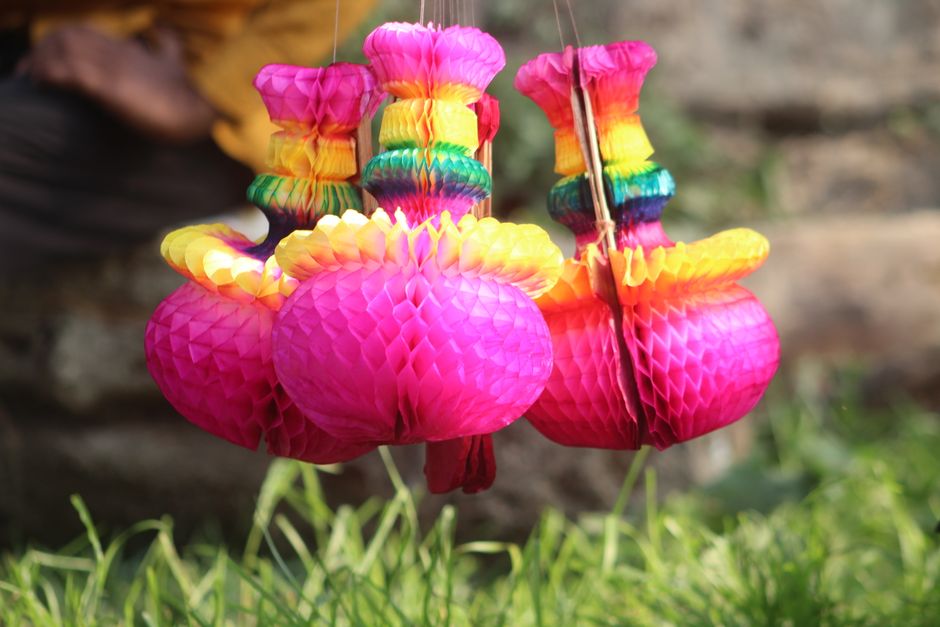 Why do people light lamps at Diwali?
- Life SkillsShoe Tying HeroThis challenge helps children master the essential life skill of tying shoelaces. By exploring knots and loops, they'll learn the practical steps needed to secure their shoes, fostering independence and fine motor skills.Try This Spark
 How can I tie my shoes myself?
- Life SkillsFamily Time CapsuleThis lesson challenges your family to design and create a special time capsule. You'll work together to choose meaningful items that capture who you are right now, learning about history, self-reflection, and collaboration along the way.Try This Spark
 What will future us want to see?
- Life SkillsCook Our Family FeastLearn how to plan and prepare a family recipe from scratch. This challenge helps you develop teamwork and practical cooking skills, leading to a delicious meal for everyone to enjoy.Try This Spark
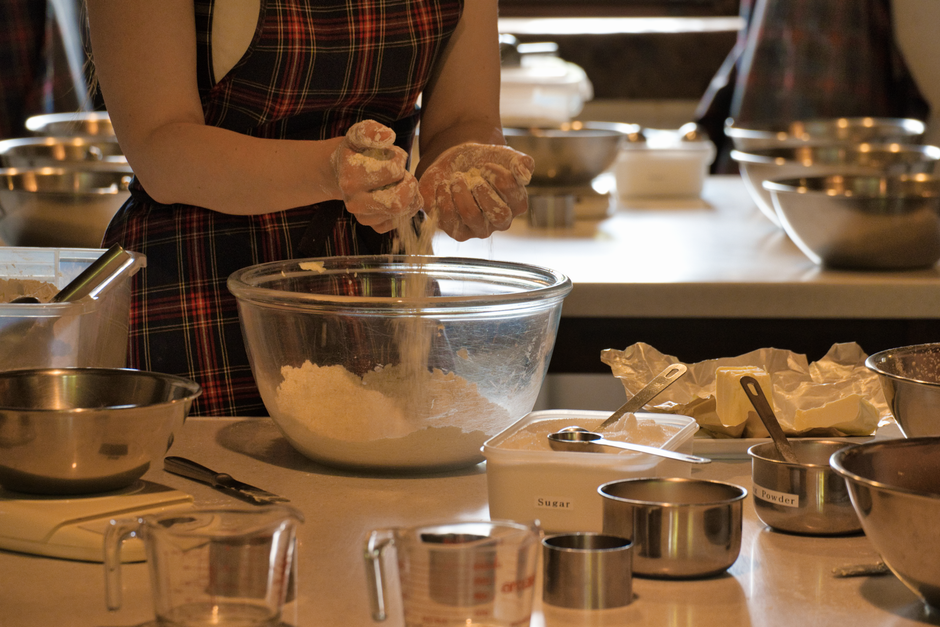 Can you cook a new family meal?
 How do wingless spiders travel far?
 ScienceSpiders' Electric Sky JourneyThis lesson explores the incredible journey of baby spiders, revealing how these tiny creatures travel vast distances without wings. Through hands-on experiments, families will discover the invisible forces that help spiders 'fly' miles into the sky, fostering curiosity about the natural world and hidden science.Try This Spark
- MathBillions of BladesDive into the world of large numbers and area by designing a mini park. You'll learn how to estimate huge quantities, like the number of grass blades on a football field, by breaking down big problems into smaller, manageable steps, all while exploring concepts of scale and measurement.Try This Spark
 How many blades on a field?
- Social StudiesYour Vote Matters!Explore how every single vote can be critical in an election. Through hands-on simulations, families will discover the power of individual choices and learn about electoral outcomes decided by the slimmest of margins.Try This Spark
 How many elections were decided by one vote?
 How many miles does a bird fly south?ScienceBirds' Epic Winter JourneyExplore the incredible distances birds travel to escape winter. Children will visualize and compare the migration routes of different birds, from a local robin to the amazing Arctic Tern, understanding the scale of these epic journeys.Try This Spark
- MathBuild Multiplication FunDiscover multiplication as a quick way to count groups! You'll use everyday items to build different multiplication puzzles and games, making math tangible and fun. This lesson emphasizes understanding 'groups of' and 'rows of' instead of just memorizing facts.Try This Spark
 What's a super-speedy way to count?