

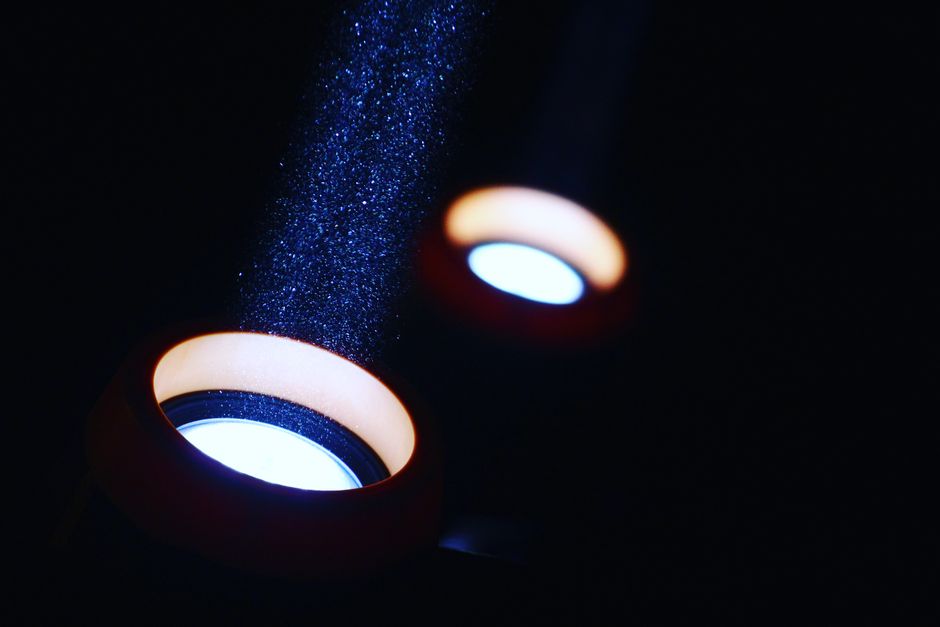
Sky Color Mystery
Become atmospheric scientists in your own kitchen! This challenge explores why the sky appears blue and not other colors by creating a miniature atmosphere using water and milk. You'll observe how light interacts with tiny particles and discover the fascinating science behind Earth's colorful sky.
The lesson goal is learners will observe that white light contains many colors and how these colors scatter differently. They will understand why blue light scatters more than other colors, enabling them to explain why Earth's sky appears blue and not green.
What You Need
Missing something? Don't let it stop you. The app offers easy alternatives for every item you have at home.
Learning Guide
Step-by-step guidance. No preparation required.
- 1
Breakfast Table Sky Gazing3 Min
- Look out the window or at a picture of a blue sky.
- Ask: Why do you think the sky is blue and not green or yellow?
- Move on when Children share their initial observations and questions about the sky's color.
- 2
Explore & Plan Our Experiment7 Min
- Gather the clear glass, water, milk, flashlight, spoon, and dark background.
- Fill the glass with water. Place it in front of the dark background.
- Ask: What will happen when we shine the flashlight through clear water?
- Ask: What do you think will happen when we add milk to the water?
- Move on when Children have gathered materials, made predictions for both clear and milky water, and are ready for the next step.
 Photo by Ray Piedra on Pexels
- 3
Decoding Light and Scattering7 Min
- Discuss predictions. Explain 'light scattering': light bouncing off tiny particles.
- Explain white light has all colors, and blue light scatters more than others.
- Ask: If blue light scatters most, why isn't the sky green?
- Move on when Children can describe light scattering in their own words and understand why blue light is scattered more.
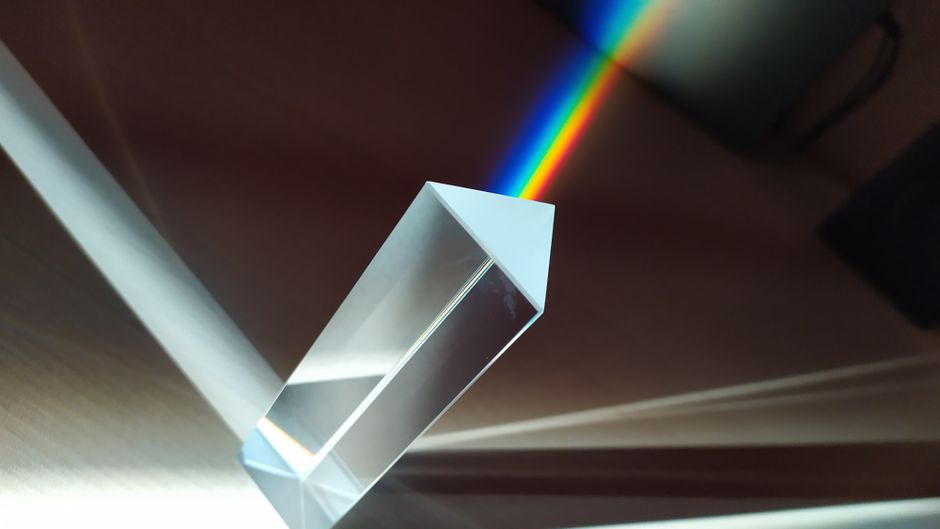 Photo by Design Bits on Pexels
- 4
Our Mini Atmosphere in Action10 Min
- Darken the room. Shine the flashlight through the clear water. Observe.
- Add one tiny drop of milk to the water. Stir gently with a spoon.
- Shine the flashlight through the milky water. Observe from the side.
- Observe the flashlight beam by looking directly through the milky water from the end of the glass.
- Add more milk, one drop at a time, to see how the colors change.
- Move on when Children have successfully observed light scattering in their mini atmosphere and can describe the different colors seen from the side versus the end.
Photo by Ananya Jain on Pexels - 5
Connecting Our Experiment to the Real Sky3 Min
- Ask: What was the most surprising thing you saw today?
- Ask: How did our experiment help explain why the sky is blue and not green?
- Move on when Children can articulate one key takeaway about why the sky is blue.
 Photo by LEPTA STUDIO on Pexels

Personalize The Spark
Add a twist your child will love, and we'll email you a printable guide made just for them. New to Mai? We'll set you up with a free 30-day guest pass so you can open it in the app.