


See Your Story Live
This lesson challenges families to transform words on a page into vivid mental images, deepening their understanding and connection to stories. By actively visualizing scenes and characters, learners will discover how to make any book come alive in their minds.
The lesson goal is learners will understand that authors use special words to help them imagine what's happening in a story. They will be able to create clear pictures in their mind as they read and explain how these mental images help them understand and enjoy books even more.
What You Need
Missing something? Don't let it stop you. The app offers easy alternatives for every item you have at home.
Learning Guide
Step-by-step guidance. No preparation required.
- 1
Breakfast Table Stories5 Min
- Look at text on a breakfast item; read a few words together.
- Move on when Student identifies at least one difference between informational text and story text.
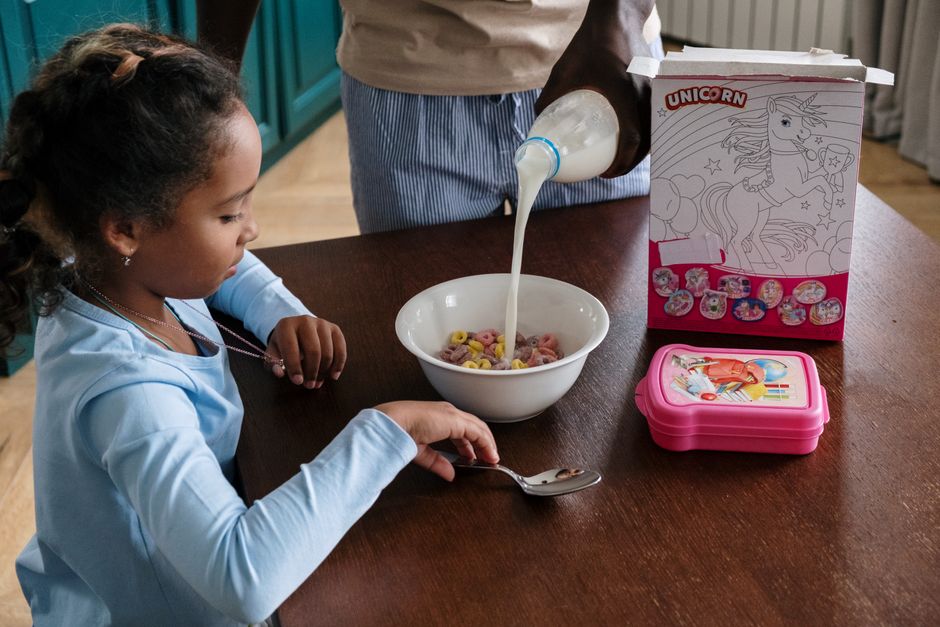 Photo by cottonbro studio on Pexels
- 2
Explore & Plan: Seeing the Story8 Min
- Choose a book and find a short, descriptive passage.
- Read the passage aloud and discuss what words create pictures.
- Move on when The family has chosen a descriptive passage and discussed how to focus on its sensory details.
 Photo by Yeşim Çolak on Pexels
- 3
Discussion: Your Mind's Eye6 Min
- Ask what they 'saw' in their minds from the passage.
- Introduce 'visualization' and explain what it is.
- Ask how words help create mental images and apply it to a new example.
- Move on when Student can explain visualization in their own words and identify words that help them visualize.
 Photo by Marco Bianchetti on Pexels
- 4
Activity: Building Your Scene9 Min
- Reread the chosen passage, focusing on visualizing the scene.
- Provide paper and drawing tools, or small objects.
- Draw or build the scene they visualized from the story.
- Move on when Student has created a drawing or a small scene representing their visualization of the passage.
Photo by iddea photo on Pexels - 5
Summary: My Story, My Movie2 Min
- Discuss their completed scene and how it connects to the story.
- Ask how visualization helped them understand the story and how they'll use it.
- Move on when Student shares one key takeaway about how visualization helps them understand stories.
 Photo by Marta Wave on Pexels
Personalize The Spark
Add a twist your child will love, and we'll email you a printable guide made just for them. New to Mai? We'll set you up with a free 30-day guest pass so you can open it in the app.