


Secret Color Science
Discover how everyday kitchen ingredients can reveal hidden properties through surprising color changes. This hands-on challenge explores the concepts of acids, bases, and indicators using a common spice and household liquids, turning your kitchen into a chemistry lab.
The lesson goal is learners will understand that certain everyday liquids can be identified as acids or bases by observing color changes. They will learn how a chemical indicator works and be able to predict reactions, transforming their kitchen into a scientific exploration zone.
What You Need
Missing something? Don't let it stop you. The app offers easy alternatives for every item you have at home.
Learning Guide
Step-by-step guidance. No preparation required.
- 1
The Mystery of the Color Change5 Min
- Discuss color changes in food or drinks.
- Ask: 'What kinds of things have you mixed that changed color?'
- Ask: 'Do you think it's just mixing, or something else?'
- Move on when Child shares one observation about color changes in food or drink.
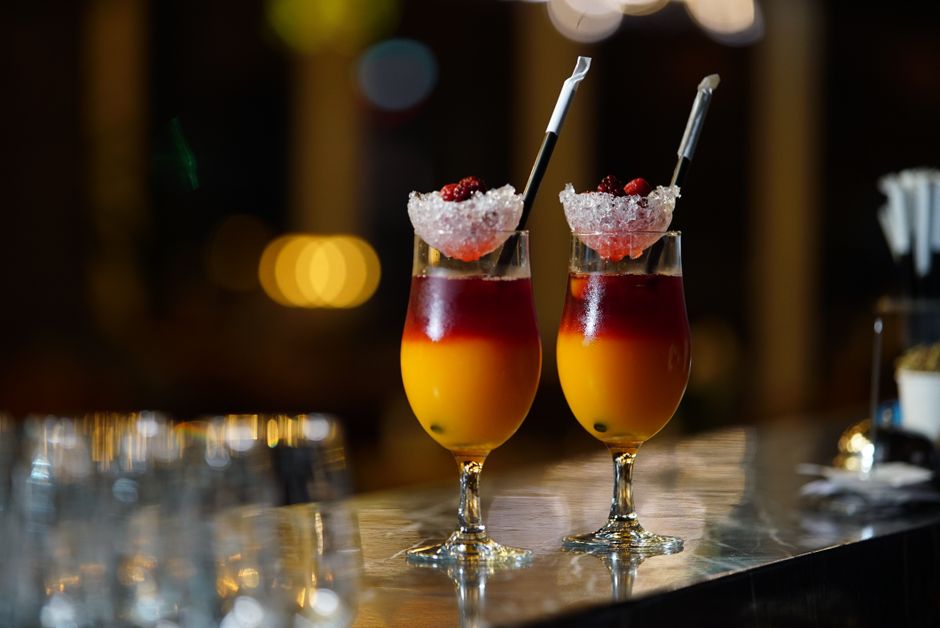 Photo by Mohamed Olwy on Pexels
- 2
Explore & Plan8 Min
- Gather cups, spoons, turmeric, lemon, baking soda, water.
- Squeeze lemon juice into one cup; make baking soda solution in another.
- Fill a third cup with plain water.
- Ask: 'If we add turmeric to water, what color do you predict?'
- Ask: 'What about the lemon juice? And the baking soda solution?'
- Move on when Child has made a prediction for the color change in water, lemon juice, and baking soda solution when turmeric is added.
 Photo by Israyosoy S. on Pexels
- 3
Discussion: What is an Indicator?6 Min
- Add 1/2 tsp turmeric to each cup, then stir.
- Observe colors. Ask: 'What colors do you see now?'
- Explain: An indicator changes color to show chemical properties.
- Explain: Lemon juice is an acid (often sour, turns turmeric yellow/red-orange).
- Explain: Baking soda is a base (often slippery, turns turmeric red-brown).
- Ask: 'Was lemon juice an acid or a base? How do you know?'
- Ask: 'What about the baking soda solution?'
- Move on when Student can explain in their own words what an indicator is and identify which of the tested liquids were acids and which were bases.
 Photo by Stefan Heurterre on Pexels
- 4
Activity: Test More Kitchen Liquids!9 Min
- Choose a new, safe kitchen liquid to test.
- Pour liquid into a clean cup.
- Ask: 'Acid or base? What color will the turmeric turn?'
- Add 1/2 tsp turmeric and stir well.
- Observe: 'What color did it turn? Acid or base?'
- Repeat for 1-2 more liquids.
- Move on when Student has tested at least two new household liquids and classified them as acidic or basic based on the turmeric indicator.
Photo by MART PRODUCTION on Pexels - 5
Summary: Your Kitchen Lab Discoveries!2 Min
- Ask: 'What was the most surprising thing you discovered today?'
- Ask: 'How can this help you understand things you eat or use?'
- Move on when Student shares one key takeaway or a surprising observation from the activity.
 Photo by Дмитрий Зайцев on Pexels
Personalize The Spark
Add a twist your child will love, and we'll email you a printable guide made just for them. New to Mai? We'll set you up with a free 30-day guest pass so you can open it in the app.