
Unmasking the Onion Tear-Mystery!
Investigate the surprising reason behind watery eyes when cutting onions. Through observation and simple experiments, discover how a chemical reaction creates an irritant gas and how to stop it.
Our goal: Learners will observe how cutting an onion causes visible changes and releases an invisible gas. They will understand this is a chemical reaction that makes their eyes sting, and discover easy tricks to prevent those pesky onion tears.
What You Need
Onion • Cutting board • Kitchen knife • Small fan
and this is just the baseline.
Scan to jump into the app and easily personalize this Spark to match your child's exact learning level and see how Mai will guide this lesson.
Learning Guide
A simple guide to lead you through the kickoff, the core challenge, and everything in between.
Mai’s Tips
- Safety first: Always supervise closely when using a knife. Discuss safe handling before any cutting begins.
- The 'chemical reaction' nuance: Children might struggle with the invisible gas concept. Emphasize that chemicals are just substances, and reactions happen when they mix. The 'gas' part is key for understanding why it irritates from a distance.
- Simplify if stuck: If the 'chemical reaction' idea isn't landing, use a simpler analogy like mixing baking soda and vinegar to make bubbles – 'two things that make something new when they meet'. Explain that the onion has similar 'secret ingredients' that mix when cut.
- Experiment variations: If the first chosen method doesn't work well, encourage them to try another. The learning comes from testing and observing, not just getting the right answer the first time.
1Breakfast Table Mystery 3 min
To start, connect the Spark to something familiar, like breakfast, and then introduce the mystery of onions. The goal is to spark curiosity and recall previous experiences with onions.
Know Before You Teach
- Good to know: Onions are a common vegetable used in cooking.
- Many people experience watery eyes or stinging sensations when cutting onions.
- If they ask: Why do onions do that? That's exactly what we're going to find out today! It's a bit of a mystery we'll solve together.
- If they're stuck: If they don't engage, ask if they've ever seen you or another adult cry while cutting onions, or seen a picture/video of it.
- Easier: Focus on simply identifying the onion and asking 'What does it do to our eyes sometimes?'.
- Harder: Ask them to hypothesize what part of the onion might be causing the reaction (e.g., the skin, the layers, the juice).
Done when: Child shares an experience or observation about onions and crying.

2Plan Your Tear-Stopping Mission 7 min
Have the child think about why onions make them cry and brainstorm ways to prevent it. Then, gather the materials needed for their chosen test. This stage encourages prediction and experimental design.
Know Before You Teach
- Good to know: Common methods to reduce onion tears include using a fan, cutting near water, or wearing protective eyewear (like swimming goggles).
- These methods aim to either blow away the irritant gas, absorb it, or block it from reaching the eyes.
- If they ask: Will a fan really work? That's a great prediction! We'll test it out and see what happens.
- If they're stuck: Suggest one or two common methods (like a fan or water) and ask which one they'd like to try, or how they think those might work.
- Easier: Provide all the materials and simply ask the child to pick one to try, with less focus on the 'why' of their choice.
- Harder: Ask the child to explain the mechanism by which their chosen method might work, based on their initial prediction about what causes tears.
Done when: Child has predicted why onions make us cry and chosen a method to test, and materials are ready.
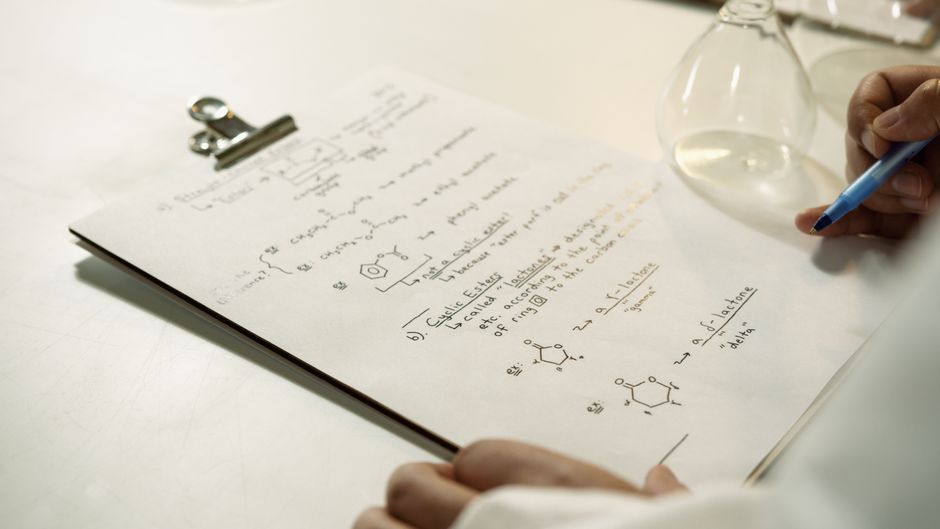
3The Onion's Secret Weapon 7 min
Teach the concepts of 'chemical reaction' and 'irritant' in simple terms before they begin the experiment. Use guiding questions to ensure they connect these ideas to the onion mystery.
Know Before You Teach
- Good to know: When onion cells are broken, enzymes and sulfur compounds mix.
- This chemical reaction creates propanethial S-oxide, a volatile sulfur compound.
- If they ask: Is it acid that's making me cry? Yes, actually! When that irritant gas touches the water in your eyes, it turns into a tiny, tiny amount of sulfuric acid. That's what really makes your eyes sting and water, to wash it away.
- If they ask: Are all chemicals dangerous? No, not at all! Chemicals are just the building blocks of everything around us, including our bodies, water, and food. Some are helpful, some are harmless, and some can be irritants if we're not careful.
- Key words: chemical reaction: when two or more things mix together and change into something totally new
- Key words: irritant: something that bothers or stings part of your body
- If they're stuck: Reiterate the 'mixing and changing' idea for chemical reaction, or the 'bothers your body' idea for irritant. Ask for examples of other things that bother their skin or eyes (like soap).
- Harder: Ask them to predict which elements of the onion (smell, texture, appearance) might be involved in creating the irritant.
Done when: Child can explain what a chemical reaction is and how it relates to onions, and uses the terms 'chemical reaction' and 'irritant' in their own words.

4The Tear-Free Challenge 10 min
Guide the child through cutting the onion safely and implementing their chosen method. Observe the effects carefully together. Emphasize knife safety and controlled experimentation.
Know Before You Teach
- Good to know: The effect of onion gas is immediate upon cutting.
- Observation is key to understanding the effectiveness of different mitigation methods.
- It's working when: Child actively participates in the experiment and makes direct observations about their eyes or the onion.
- If they're stuck: If they don't notice anything, ask focused questions: 'Do you feel anything near your eyes now? Any different from before we started?'
- Easier: The adult does all the cutting, with the child safely observing and activating the chosen mitigation method (e.g., turning on the fan).
- Harder: Have the child conduct the experiment twice: once without the mitigation method, and once with it, to compare the difference more directly. They can also try to describe the 'smell' of the gas.
Done when: Child has safely cut the onion, conducted their experiment, and observed the results.

5Onion Wizards! 3 min
Facilitate a reflection on the experiment, checking their understanding of the onion's chemical reaction and the effectiveness of their chosen solution. Connect the learning to broader real-world applications.
Know Before You Teach
- If they ask: Can other vegetables make you cry? Not in the same way as onions. Onions are unique because of the specific sulfur compounds they contain that lead to that irritant gas. Other vegetables might have strong smells, but they don't trigger the same chemical reaction.
- If they're stuck: Help them recall the key terms: 'So, the onion has a what...?' or 'What did the fan do to the gas?'
- Easier: Ask them to draw a picture of what they learned, or point to the onion and say one word about what it does.
- Harder: Challenge them to explain how they might design a 'super tear-proof' onion-cutting station using what they learned.
Done when: Child shares one key takeaway about onions and chemical reactions.
Beyond The Spark
Fuel their curiosity beyond the Spark with bonus extras.
Table Talk
Understanding how chemicals interact helps chefs create amazing flavors and chemists develop new medicines or materials.
Did You Know?
Did you know onion gas actually turns into a tiny bit of acid in your eyes?
Challenge
Try cutting different types of onions (red, yellow, sweet) to see if some make you cry more or less. Is there a difference in how they look or smell?
Quick Recap Quiz 4 min
Customize this quiz, add questions, or follow your child's lead! Each question has a 'Parent Tip' to help them find the answer without giving it away.
1. What happens inside an onion when you cut it?
- It gets softer.
- Chemicals mix and make a new gas.
Remind them about the 'mixing and changing' idea we discussed.
2. What is an 'irritant' gas?
- A gas that tickles your nose.
- A gas that bothers or stings your eyes.
Think about what happened to your eyes when you cut the onion.
3. Why does a fan help stop onion tears?
- It cools the onion down.
- It blows the irritant gas away from your eyes.
Where does the gas need to go to stop stinging your eyes?
4. Which of these is NOT a chemical reaction?
- Water freezing into ice.
- Baking a cake from batter.
Does water freezing create a new substance, or just change form? What about cake batter?
Loved This Spark?
Scan to jump into the app and explore similar Sparks in our Sparks Hub. New to Mai? Start free with 10 Sparks, no credit card needed.