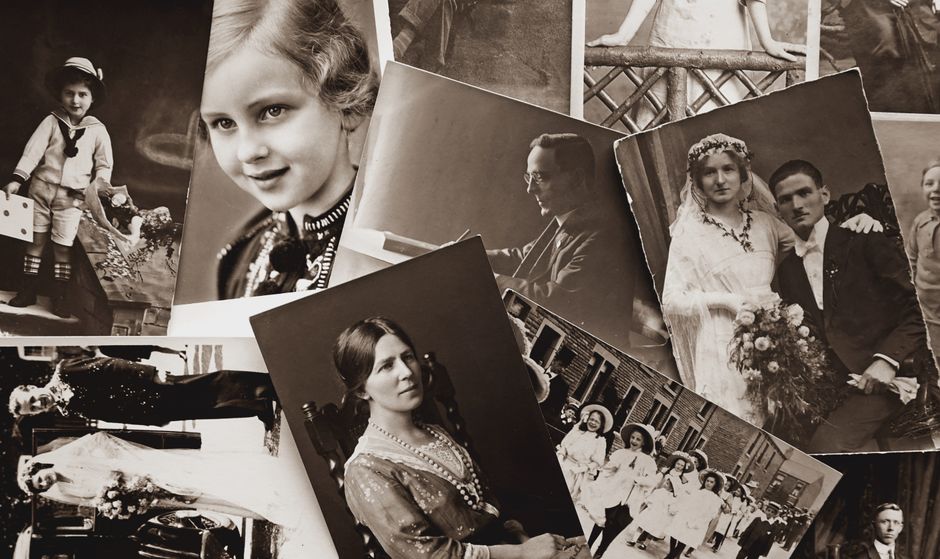
Uncover Your Family Story
Dive into your family's unique story by creating a visual family tree. This activity explores how we're all connected, where we come from, and the special traditions that make our families one-of-a-kind.
Our goal: Learners will understand how their family is structured and connected through generations. They will be able to identify key family members, understand their lineage, and share unique stories and traditions that define their heritage.
What You Need
Paper • Pencils • Eraser • Ruler • Old photo or family drawing
and this is just the baseline.
Scan to jump into the app and easily personalize this Spark to match your child's exact learning level and see how Mai will guide this lesson.
Learning Guide
A simple guide to lead you through the kickoff, the core challenge, and everything in between.
Mai’s Tips
- Non-linear connections: Family relationships aren't always simple straight lines. Guide the child to draw connections based on their understanding of relationships, even if it's unconventional. The goal is personal meaning, not genealogical precision.
- Beyond blood: The biggest misconception here is that family is only blood relatives. Encourage the inclusion of step-parents, adopted family members, and chosen family friends. This expands their understanding of family as a social construct based on love and support.
- Simplify for younger: If a younger child is struggling with the concept of generations, focus on immediate connections: 'Me, my mom/dad, my siblings.' A simple circle for each person and a line for 'is the parent of' is enough.
- Stories are key: The tree is a framework. Encourage the parent to prompt for a short story or memory about each person as they're added. These narratives are what make the tree truly 'alive' for the child and build meaning.
For The Grown-Up
- A common mix-up: Family only means people who share the same blood or last name.
- Try this: Ask the child to consider a close family friend, a step-parent, or an adopted relative. 'Are they part of your family? If so, how would you show them on your tree?' Then, after they've tried to place them, discuss how family can be built through love and connection, not just blood.
- A big question to ask: If a family tree shows how we're all connected, does that mean everyone in the whole world is part of one giant family tree?
1Introduction: Whose Story is This? 5 min
Have the child engage with a chosen family item to spark curiosity about family stories. Encourage observation and initial thoughts.
Know Before You Teach
- Good to know: Family history begins with personal objects and stories.
- Children are naturally curious about their origins and connections.
- Observing details in an image or object is a form of active learning.
- If they ask: Why is this old? Objects can tell us about the past, a time before you were born, or even when your parents were young.
- Key words: story: a telling of events that happened to people.
- If they're stuck: Point out a specific detail in the photo/object and ask 'What's happening right here?' or 'What do you think that person is doing?'
- Easier: Focus on a very familiar object (e.g., their own baby photo) and ask who is in it.
- Harder: Ask them to imagine the full life story of one person or the journey of an object.
Done when: Child engages with the item and offers initial observations or questions about it.

2Explore & Plan: Mapping Our Family Connections 8 min
Gather materials and brainstorm family members and their connections. Focus on who to include and how they relate before starting the main drawing.
Know Before You Teach
- Good to know: The brainstorming phase helps organize thoughts before physical creation.
- Asking 'how they connect' establishes relational thinking.
- If they ask: Do I have to include Auntie Sue? It's your family tree! You get to decide who is important to you and who you want to include.
- Key words: connection: how two or more things or people are related or joined.
- It's working when: Child listing names or trying to describe relationships (e.g., 'Mommy's mom').
- If they're stuck: Start by naming just one parent, then ask 'Who is that person's parent?'
- Harder: Ask them to identify people from specific sides of the family (e.g., 'your mom's side' vs. 'your dad's side') or include friends who are like family.
Done when: Child has named several family members and articulated some connections between them.

3Discussion: What's a 'Family Tree' Anyway? 6 min
Discuss the meaning of a 'family tree.' Define the term and guide the child to understand its purpose and how it represents relationships, including non-blood relatives.
Know Before You Teach
- Good to know: Understanding the metaphor helps solidify the concept.
- Family structures are diverse and not limited to traditional definitions.
- If they ask: But a tree has leaves, not people? That's right! It's an idea, a way of showing how families grow like a tree grows, with roots and branches.
- Key words: generations: all the people born and living at about the same time, like your grandparents, then your parents, then you.
- It's working when: Child using 'connections,' 'branches,' or 'generations' in their explanation.
- If they're stuck: Revisit the idea of a real tree: 'What's at the bottom of a tree? What grows from the trunk?' Connect it to ancestors and descendants.
- Easier: Focus on 'who came before you' and 'who came after them' as simple generations.
- Harder: Discuss why different cultures might represent family structures differently, or consider how adoption changes a family tree.
Done when: Child can explain what a family tree is in their own words, giving a reason why it's called a 'tree', and applies the concept to the idea of including non-blood relatives.
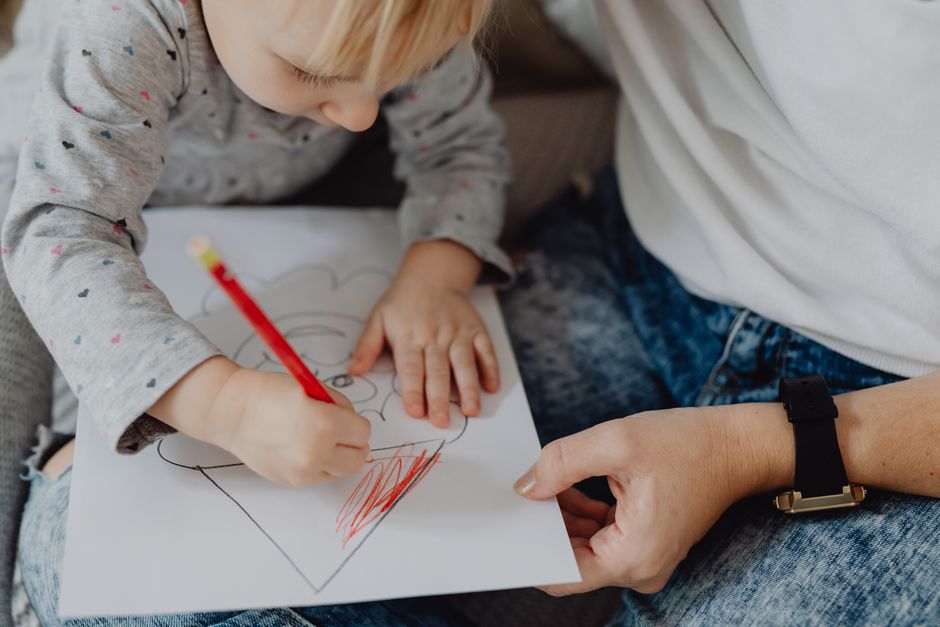
4Activity: Drawing Our Roots and Branches 9 min
Guide the child in drawing their family tree on the large paper, connecting individuals and optionally adding details. Emphasize relationships over artistic perfection.
Know Before You Teach
- Good to know: Visualizing relationships aids comprehension and memory.
- Starting with the child and moving backward/upward is often the easiest construction method.
- Scaffolding means providing just enough support to get started, then letting them lead.
- If they ask: Do I have to draw a perfect tree? No! The most important thing is that it makes sense to you and shows your family connections clearly.
- It's working when: Child actively drawing and making decisions about where to place family members.
- If they're stuck: Suggest starting with one clear relationship, like 'you' and 'your parent,' and ask, 'Who connects to your parent?'
- Easier: Pre-draw simple boxes or circles for them to fill in names, or focus on only two generations.
- Harder: Challenge them to create a key for different types of relationships (e.g., blood, marriage, adopted) or add small illustrations representing family traditions.
Done when: The child has constructed a visual family tree, showing at least two generations and their relationships, with names or recognizable symbols for individuals.

5Summary: Our Growing Family Story 2 min
Reflect on the completed family tree and the insights gained about family history and connections.
Know Before You Teach
- Good to know: Reflection solidifies learning and connects it to personal experience.
- Family history is dynamic and continues to evolve.
- Recognizing one's place in a larger narrative builds identity.
- If they ask: Why does my family tree look different from [friend's name]? Every family is unique! Just like every real tree is different, every family has its own special shape and story.
- Key words: heritage: the traditions, culture, and history that are passed down from previous generations in a family.
- It's working when: Child expressing a personal thought or feeling about their family, beyond just naming people.
- If they're stuck: Ask, 'If you could add one more thing to your family tree, what would it be and why?'
- Easier: Just ask them to point to their favorite person on the tree and say why.
- Harder: Ask how learning about their family tree makes them feel connected to the past or to different places.
Done when: Child shares one key takeaway or personal reflection about their family tree or family history.
Beyond The Spark
Fuel their curiosity beyond the Spark with bonus extras.
Table Talk
Genealogists use family trees to trace lineages and uncover historical connections, helping people understand their origins and heritage.
Did You Know?
Some family trees can be traced back hundreds, or even thousands, of years!
Challenge
Research a family tradition or a story about an ancestor and add it to your tree with a small drawing or note.
Quick Recap Quiz 4 min
Customize this quiz, add questions, or follow your child's lead! Each question has a 'Parent Tip' to help them find the answer without giving it away.
1. What does a family tree primarily show?
- A list of everyone you know.
- How family members are related across generations.
Remind them it's about connections, not just names.
2. Why is it called a 'tree'?
- Because it has roots, a trunk, and branches like a real tree.
- Because it grows in a forest.
Connect the parts of a real tree to family members and their history.
3. Can someone who isn't related by blood be on your family tree?
- No, only blood relatives count.
- Yes, if they are important and feel like family to you.
Emphasize that family means different things to different people, based on love and support.
4. What is one good reason to learn about your family history?
- To understand where you come from and what makes your family special.
- To know everyone's birthday.
Guide them to think about identity and belonging.
Loved This Spark?
Scan to jump into the app and explore similar Sparks in our Sparks Hub. New to Mai? Start free with 10 Sparks, no credit card needed.