
The Three Sisters Garden
Discover the Three Sisters Garden, where corn, beans and squash grow together as a team. This Spark opens with the comic "Who Are the Wampanoag?" and explores how the three plants help each other, a way of farming the Wampanoag have used for generations. Then it connects the garden to the Thanksgiving harvest.
Our goal: Learners will understand how corn, beans and squash work together in a symbiotic relationship, identifying the unique benefits each plant provides. They will be able to create their own model garden and connect this ancient gardening method to the Thanksgiving harvest.
What You Need
Dried corn kernels • Dried beans • Squash seeds • Small cup or pot • Potting soil • Small tray or plate • Large paper cutouts of the three plants • Worksheet • Pencils or markers • Watering can or cup
and this is just the baseline.
Scan to jump into the app and easily personalize this Spark to match your child's exact learning level and see how Mai will guide this lesson.
Learning Guide
A simple guide to lead you through the kickoff, the core challenge, and everything in between.
Mai’s Tips
- Safety first: Dried beans, kernels and seeds are a choking risk for little kids. A grown-up stays close, and nothing goes in mouths. Raw dried beans are not safe to eat.
- Mind Trap: Children might initially think plants compete for resources. This Spark directly challenges that by showing cooperation. Let them voice those competitive ideas first; don't correct until you're ready to explain symbiosis in Stage 3.
- Simplification: For younger children (4-6), focus on the three sisters helping each other. Let them place the paper cutouts and draw what each plant does instead of writing.
- Depth: For older children (7-12), encourage them to research the scientific terms (e.g., nitrogen fixation for beans) and the historical significance of the Three Sisters beyond just the Wampanoag to other Indigenous groups.
- Real-world connection: When looking for Three Sisters foods on the Thanksgiving table, prompt beyond just 'corn on the cob.' Think of cornbread, succotash (corn and beans), pumpkin pie, roasted squash or even green bean casserole for beans.
Prep Before Session 5 min
- Gather corn kernels, dried beans and squash seeds.
- Cut out large paper shapes of a corn plant, a bean plant and a squash plant for little kids.
- Print the Three Sisters worksheet (or have plain paper and drawing supplies ready).
1Introduction 5 min
Read the comic together: "Who Are the Wampanoag?" Then ask the big question: "Hundreds of years ago, farmers in what is now Massachusetts planted corn, beans and squash in one small hill. Why?" Listen to every idea without correcting it. Their guesses show you how they think right now.
Know Before You Teach
- Good to know: The Wampanoag have lived in what is now Massachusetts and Rhode Island for thousands of years, and still do.
- The Three Sisters Garden was a traditional, sustainable farming method practiced by many Indigenous cultures, including the Wampanoag.
- If they ask: What is Thanksgiving? Thanksgiving is a holiday in the United States and Canada that celebrates harvest and other blessings of the past year. It's often associated with a historical feast shared between Pilgrims and Wampanoag people.
- Key words: Wampanoag: The Wampanoag have lived in what is now Massachusetts and Rhode Island for thousands of years, and still do.
- Key words: harvest: Gathering crops when they are ripe and ready to eat.
- It's working when: Child expressing curiosity about how plants grow or the history of farming.
- If they're stuck: Shift the focus to what plants need to grow in general: 'What do you think any plant needs to be healthy?'
- Easier: Show the three kinds of seeds and ask: "Could these three plants be friends?"
- Harder: Ask them to imagine challenges early farmers faced and how they might solve them with only natural resources.
Done when: Child offers an initial theory or hypothesis about why the three plants might be grown together.

2Explore & Plan 8 min
Lay out the corn, bean and squash 'seeds' (kernels, dried beans). Discuss what each plant needs to thrive individually, then ask them to predict how they might interact when planted closely. This sets up the problem before you give the solution.
Know Before You Teach
- Good to know: Beans are vining plants that need something to climb.
- Squash plants have large leaves and spread widely on the ground.
- If they ask: Do all beans climb? Most garden beans, especially the ones called 'pole beans,' love to climb! Bush beans are a different kind that stay small and don't need a pole.
- It's working when: Child making connections between a plant's physical characteristics and its needs (e.g., 'corn is tall, so it needs to stand up').
- If they're stuck: Suggest drawing each plant individually first and listing its needs next to it.
- Easier: Focus on very basic needs: 'Does it like sun or shade? Does it need something to hold onto?'
- Harder: Ask them to design a small garden plan for each plant growing alone, then together, noting the space each would take.
Done when: Child describes basic needs for each plant type and makes a prediction about their interaction when planted together.
3Discussion 6 min
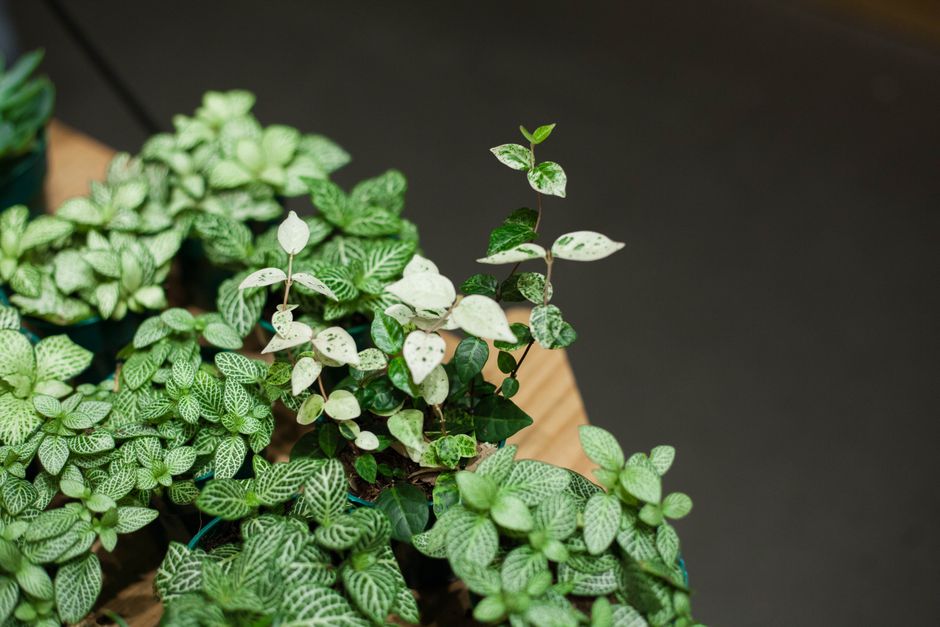
This is where the core concept is explained. Introduce the term symbiosis as living together for mutual benefit. Clearly explain how corn provides support, beans enrich the soil and squash protects the ground. Then, guide them to apply this new understanding.
Know Before You Teach
- Good to know: Symbiosis is a close, long-term interaction between two different biological organisms.
- Corn provides a physical structure (stalk) for beans to climb, giving them access to sunlight.
- Beans are legumes; they have bacteria in their root nodules that convert atmospheric nitrogen into a form plants can use, enriching the soil.
- If they ask: What does 'nutrients' mean? Nutrients are like food for plants, things they absorb from the soil to help them grow strong, just like we need vitamins and minerals.
- Key words: symbiosis: When different living things live together and help each other.
- Key words: nutrients: Special things in the soil that plants 'eat' to grow healthy.
- It's working when: Child expressing 'aha!' moments as they understand the interlocking benefits.
- If they're stuck: Use a simple human analogy: 'Imagine you need to reach a high shelf, and your friend gives you a boost. That's a bit like how the corn helps the beans!'
- Easier: Focus on the 'who helps whom' aspect: 'Who is the climbing helper? Who is the soil feeder? Who is the ground protector?'
- Harder: Ask them to explain 'nitrogen fixation' in their own words after a brief, simple explanation from you.
Done when: Child can explain the role of each 'sister' plant and understand the concept of symbiosis.
4Planting the Garden 9 min
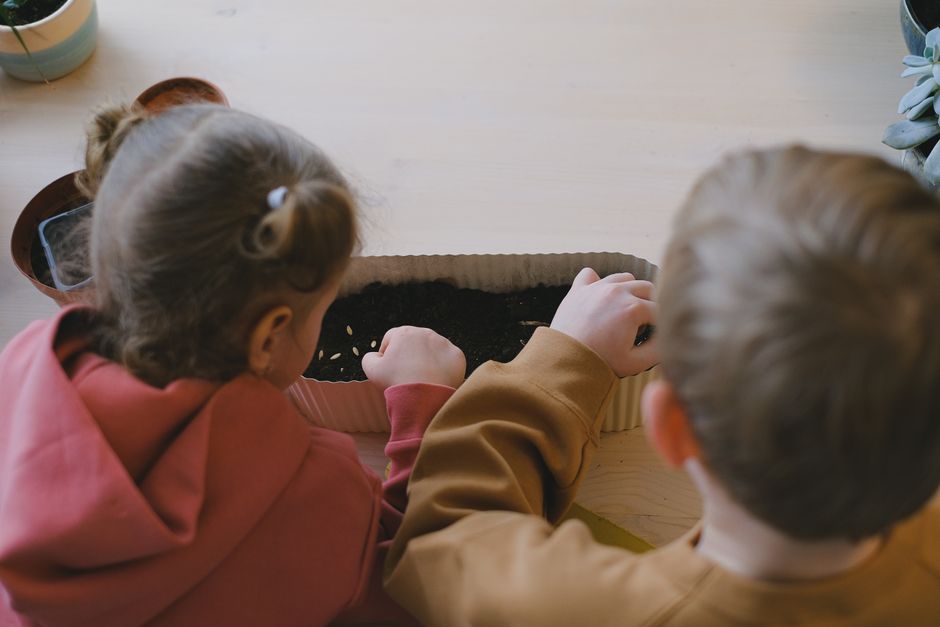
Build a model Three Sisters hill on a plate or tray. This is the main activity. Planting real seeds in a cup is optional. Place the plants in the order the Wampanoag did: corn first, in the middle. They added the beans and squash once the corn was about as tall as a hand. So put the beans around the corn, then the squash around the edge. Then use the worksheet (or plain paper) to show what each plant gives and gets.
Know Before You Teach
- Good to know: The Wampanoag planted corn first. Once the corn was about as tall as a hand, they planted the beans and squash around its base.
- As the corn grew, the beans climbed and wound around the corn stalks.
- If they ask: Will these seeds really grow? If they're viable seeds and get enough sun and water, yes! But even if they don't, we've learned a lot about how they would work together if they did.
- It's working when: Child intentionally placing seeds based on the roles learned in the previous stage.
- If they're stuck: Demonstrate with one set of seeds how the placement works, then have them finish.
- Easier: Use the large paper cutouts of the three plants instead of small seeds, and place them on the model hill together.
- Harder: Challenge them to explain why each plant needs to be in its specific location as they place it.
Done when: Seeds or cutouts are placed in the right spots, and the worksheet shows what each plant gives and gets.

5Harvesting Connections 2 min
Reflect on the learning. Connect the Three Sisters to Thanksgiving traditions and the idea of gratitude for nature's gifts. This helps solidify the real-world relevance of their discovery.
Know Before You Teach
- Good to know: The Three Sisters Garden is a symbol of sustainability, cooperation and gratitude for the earth's bounty.
- If they ask: Are there other foods that grow together? Yes! Many cultures have companion planting traditions, like basil with tomatoes or marigolds to deter pests around vegetables.
- It's working when: Child enthusiastically identifying Thanksgiving foods and linking them to the Spark.
- If they're stuck: Start naming Thanksgiving foods and ask, 'Is this a sister? Which one?'
- Harder: Ask them to think about how modern farming might be different if more farms used Three Sisters principles.
Done when: Child can identify one key learning point and can name at least one Thanksgiving food related to the Three Sisters.
Beyond The Spark
Fuel their curiosity beyond the Spark with bonus extras.
Table Talk
Farmers and gardeners around the world use the principles of companion planting to grow healthier food, reduce pests and improve soil without as many chemicals.
Did You Know?
Bean plants have tiny bacteria on their roots that help make food for the soil.
Challenge
Research another example of intercropping or companion planting used by different cultures around the world. How do they work together?
Quick Recap Quiz 4 min
Customize this quiz, add questions, or follow your child's lead! Each question has a 'Parent Tip' to help them find the answer without giving it away.
1. What does the corn plant provide for the beans in a Three Sisters Garden?
- Nutrients for the soil
- A climbing pole
Think about how the bean plant grows as it gets taller.
2. How do the beans help the other plants in the Three Sisters Garden?
- They add nutrients to the soil
- They scare away hungry animals
Look back at Stage 3. What did each sister do for the others?
3. What is the squash plant's main job in the Three Sisters Garden?
- It gives the beans a pole to climb
- Its big leaves cover the ground, keeping weeds out and water in
Look at the shape of a squash plant and how its leaves spread out.
4. The way the Three Sisters plants help each other is an example of...
- Symbiosis
- Competition
Look back at the new word from Stage 3.
Loved This Spark?
Scan to jump into the app and explore similar Sparks in our Sparks Hub. New to Mai? Start free with 10 Sparks, no credit card needed.