
Sweet New Year Design
This lesson invites learners to explore the traditions of Rosh Hashanah, the Jewish New Year. Through hands-on creation, they will design a symbolic 'Sweet Start Plate' to reflect on the past year and set intentions for a sweet and meaningful new beginning.
Our goal: In this spark, your learner will understand the core themes of Rosh Hashanah: new beginnings and reflection, reflect on personal goals and wishes for the upcoming year and create a symbolic 'Sweet Start Plate' using traditional Rosh Hashanah foods.
What You Need
Plate • Apple • Honey • Small Paper • Markers • Small Bowl
and this is just the baseline.
Scan to jump into the app and easily personalize this Spark to match your child's exact learning level and see how Mai will guide this lesson.
Learning Guide
A simple guide to lead you through the kickoff, the core challenge, and everything in between.
Mai’s Tips
- Encourage kids to taste the apple and honey as they discuss its symbolism, connecting the sensory experience directly to the learning.
- For mixed ages, let older children help younger ones write or draw their wishes, fostering collaboration and leadership.
1Introduction 5 min
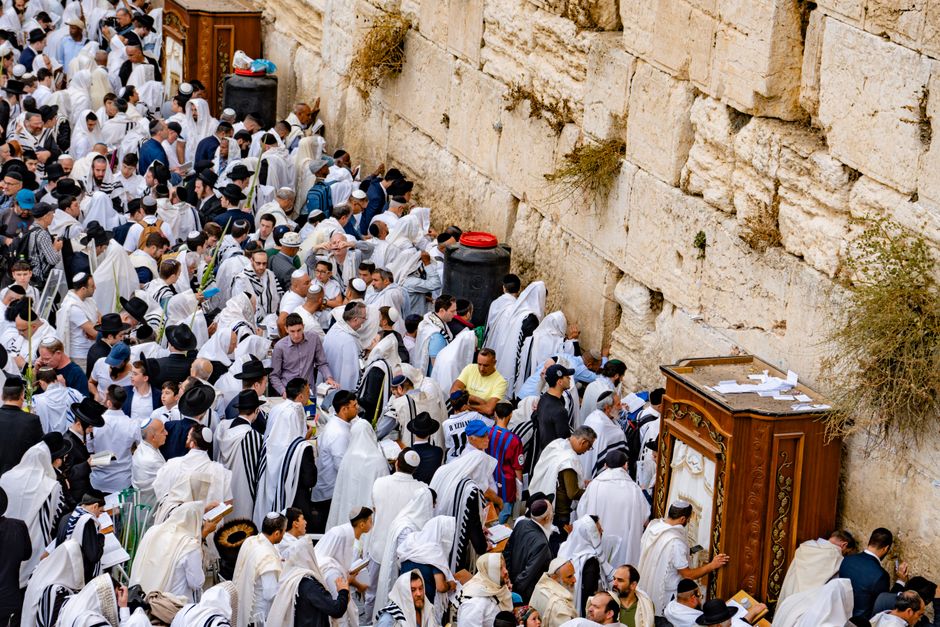
Introduce Rosh Hashanah as the Jewish New Year, a special time for new beginnings and reflection. Rosh Hashanah means 'Head of the Year' in Hebrew. It's a time for celebrating a new year, looking back at the past, and setting intentions for a sweet future. Ask the child: "What does it mean to have a 'new beginning'?" Then ask: "What feelings or ideas come to mind when you hear 'new starts'?" Validate their responses and listen actively. The stage is complete when the child has shared an initial thought about new beginnings or the concept of a new year.
Done when: Student has shared an initial thought about new beginnings or the concept of a new year.
2Explore & Plan 8 min
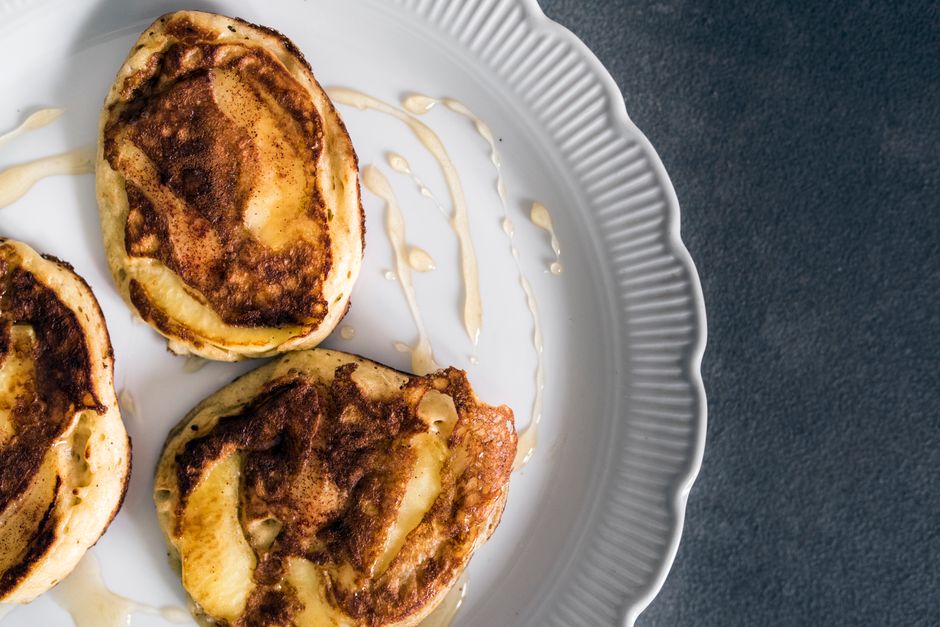
Gather the materials: a plate, pre-sliced apple, honey in a small bowl, small pieces of paper, and markers. Explain that eating apples dipped in honey is a tradition during Rosh Hashanah to symbolize a sweet new year. 'Symbolize' means one thing stands for or represents another, like a heart symbolizes love. Ask: "What does a 'sweet year' mean to you, beyond just tasting good?" Guide them to brainstorm how to use the materials to create a 'Sweet Start Plate' representing their hopes. Ask: "How could we use these materials to show our hopes for a sweet year?" Then ask: "What do you think each item could symbolize for your sweet year?" The stage is complete when the child has discussed ideas for their 'Sweet Start Plate' and knows what materials they will use.
Done when: Student has discussed ideas for their 'Sweet Start Plate' and knows what materials they will use.

3Discussion 6 min
Engage the child in a discussion using these Socratic questions. Ask: "Why do you think people choose sweet foods to celebrate a new year?" Define 'reflect': To reflect means to think deeply about something from the past, like looking back at your actions or what you learned. It helps us understand our experiences. Ask: "What does it mean to 'reflect' on the past year?" Define 'intentions' or 'wishes': These are goals or hopes you have for the future. Setting intentions means deciding what you want to achieve or how you want to be. Ask: "What does it mean to make 'wishes' or 'intentions' for the next year?" Finally, ask: "How can thinking about what we want for the future help us make it happen?" The stage is complete when the child can explain the core concepts of 'sweetness' (symbolically), reflection, and setting intentions in their own words.
Done when: Student can explain the core concepts of 'sweetness' (symbolically), reflection, and setting intentions in their own words.
4Activity 9 min
Facilitate the creation of their 'Sweet Start Plate'. Ensure all materials (plate, apple slices, honey in a small bowl, small papers, markers) are easily accessible. Have them arrange the apple slices and honey on the plate. Instruct them to write or draw their special wishes and intentions for the new year on the small pieces of paper. Encourage them to arrange these papers creatively around the apple and honey, building a meaningful display. For younger children, assist with dipping apples or drawing. For older children, encourage clear articulation of wishes. Ask: "What wishes or intentions do you want to include on your plate?" Then ask: "How will you arrange the apple, honey, and your written wishes to show your hopes?" Finally, ask: "What does this arrangement mean to you?" The stage is complete when the child has completed their physical 'Sweet Start Plate' with apple, honey, and written/drawn intentions.
Done when: Student has completed their physical 'Sweet Start Plate' with apple, honey, and written/drawn intentions.
5Summary 2 min
Celebrate the child's effort and the unique 'Sweet Start Plate' they've created. Reinforce the idea that setting intentions helps guide their actions throughout the year. Ask the child: "What was your favorite part of making your 'Sweet Start Plate'?" Then ask: "What is one 'sweet' hope or intention you have for yourself in the coming year?" The stage is complete when the child shares one key takeaway or a favorite part of the activity.
Done when: Student shares one key takeaway or a favorite part of the activity.
Beyond The Spark
Fuel their curiosity beyond the Spark with bonus extras.
Table Talk
Setting intentions for a new year is like when adults make resolutions or set goals for a project at work or a personal challenge, helping them focus and achieve what they desire.
Challenge
Research other symbolic foods eaten during Rosh Hashanah and their meanings (e.g., pomegranates for many blessings, fish head for being a leader, not a follower). Try adding one or two new symbols to your plate and explain their significance.
Quick Recap Quiz 4 min
Customize this quiz, add questions, or follow your child's lead! Each question has a 'Parent Tip' to help them find the answer without giving it away.
1. Rosh Hashanah is a holiday that celebrates:
- A special harvest season
- The Jewish New Year
Remind them it's about the 'head of the year' and new beginnings.
2. What foods are traditionally eaten for a 'sweet new year' during Rosh Hashanah?
- Apples and honey
- Bread and olives
Recall the main symbolic foods from the activity.
3. When we 'reflect' on the past year, it means we are:
- Forgetting everything that happened
- Thinking about what we did and learned
Guide them to remember discussing looking back and learning from experiences.
4. Creating a 'Sweet Start Plate' helps us by:
- Setting intentions and hopes for the future
- Only eating sweet foods all year long
Connect back to the idea of wishes and goals discussed during the activity.
Loved This Spark?
Scan to jump into the app and explore similar Sparks in our Sparks Hub. New to Mai? Start free with 10 Sparks, no credit card needed.