
Super Snack Challenge
This lesson challenges young learners to design and create their own healthy and delicious snack. It encourages creativity, planning, and basic kitchen skills while fostering independence and healthy eating habits.
Our goal: In this spark, your learner will plan and select ingredients for a simple snack, practice basic food preparation skills safely and reflect on choices and the outcome of a creative project.
What You Need
Nut Butter • Small Bowl • Spoon • Yogurt • Dull Knife • Apple • Banana • Berries • Sharp Knife
and this is just the baseline.
Scan to jump into the app and easily personalize this Spark to match your child's exact learning level and see how Mai will guide this lesson.
Learning Guide
A simple guide to lead you through the kickoff, the core challenge, and everything in between.
Mai’s Tips
- Encourage your child to narrate their actions during the activity. This verbalization strengthens their understanding and memory of the steps.
- To extend the learning, ask 'what if' questions after the snack is made, such as 'What if we added a little cinnamon next time?' or 'What if we used a different fruit?'
Prep Before Session 15 min
- Choose 2-3 types of fruit like apples, bananas, or berries.
- Wash the chosen fruits thoroughly.
- Pre-cut fruits into child-safe slices or small pieces.
- Prepare a small serving of nut butter or yogurt in a container.
- Gather a small bowl, a spoon, and a dull knife (if using).
- Clear and clean a workspace on the counter or table.
1Introduction 5 min
Start by prompting your child to share their favorite snacks. Ask them, "What kinds of snacks do you usually like to eat?" Listen to their answers and encourage them to elaborate. Then, introduce the idea of making snacks by asking, "Do you ever think about how they're made or what ingredients are in them?" This conversation helps spark their creativity and gets them excited for the upcoming snack challenge.
This stage is complete when your child has shared their thoughts on snacks and seems ready to begin the activity.
Know Before You Teach
- Good to know: Snacks are small amounts of food eaten between main meals to provide energy.
- Healthy snacks give our bodies important nutrients and help us stay active.
- Ingredients are all the different foods that are mixed together to make something.
- If they ask: What's an ingredient? An ingredient is one of the specific foods you use to make something, like an apple or yogurt for a snack.
- It's working when: Child names at least two different types of snacks they enjoy.
- If they're stuck: Suggest a snack you enjoyed as a child, like apple slices with peanut butter, to spark ideas.
- Easier: Show pictures of different snack foods and ask them to point to which ones they like.
- Harder: Ask them to describe what main ingredients they think are in their favorite store-bought snack.
Done when: Student engages by sharing thoughts on snacks and expresses excitement for the challenge.
2Explore & Plan 8 min
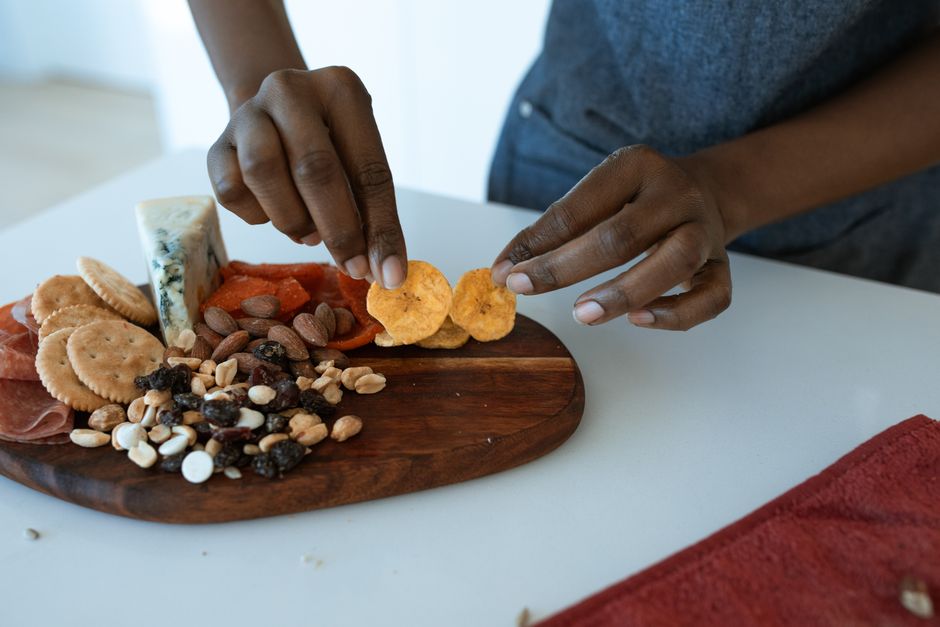
Begin by helping your child gather all the necessary materials. This includes pre-cut fruit slices (like apple, banana, or berries), their choice of nut butter or yogurt, a small bowl, and a spoon. If a dull knife is available and appropriate, guide them in safely cutting fruit; otherwise, ensure all fruits are pre-cut by you. Discuss the different options available, asking, "What kinds of fruits do you think would be tasty for your snack?" and "Do you want to use nut butter or yogurt for a fun dip?" Help them visualize the steps they'll take to combine these ingredients safely.
This stage is complete when your child has chosen their materials and can describe a basic plan for their snack.
Know Before You Teach
- Good to know: Fruits provide natural sugars for energy and vitamins that help our bodies grow strong.
- Nut butters and yogurts offer protein, which helps build strong muscles and can keep us feeling full longer.
- Planning helps us think through what we want to do before we start, which makes the whole process smoother.
- If they ask: Is yogurt healthy? Yes, yogurt can be a healthy choice because it has protein for your muscles and calcium for strong bones.
- Key words: nut butter: A creamy spread made from ground nuts, like peanuts or almonds, that you can use for dipping or spreading.
- Key words: plan: A set of ideas or steps for doing something before you start, like making a map for your snack.
- It's working when: Child points to or names specific ingredients they want to use for their snack.
- If they're stuck: Offer two clear choices, for example, 'Would you like apple slices or banana slices for your snack?'
- Easier: Lay out only two fruit options and one dip option (nut butter or yogurt) to simplify their choice.
- Harder: Ask them to predict what their snack might taste like based on the ingredients they chose.
Done when: Student identifies materials and forms a basic plan for their snack.
3Discussion 6 min
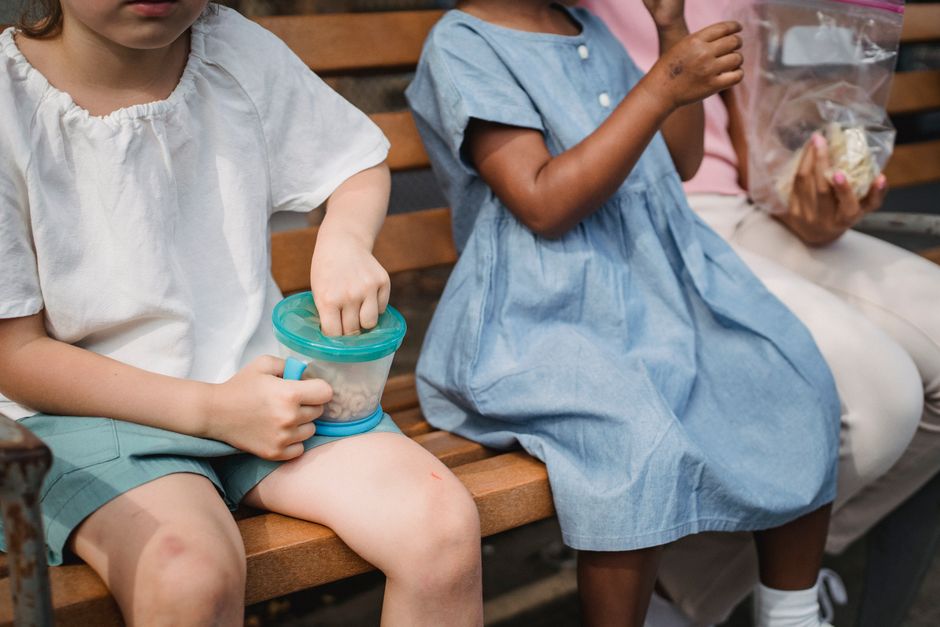
Invite your child to explain their snack plan and why they chose certain ingredients. Encourage them to articulate their ideas by asking, "What kind of snack are you hoping to create today?" and "Why did you pick those specific ingredients?" You can also prompt them further by asking, "What steps do you think you'll need to follow to bring your super snack to life?" If they get stuck, offer guidance with questions like, "What texture do you want your snack to have?" or "How will these ingredients fit together?"
This stage is complete when your child can clearly describe their snack plan and the reasons for their ingredient choices.
Know Before You Teach
- Good to know: Describing a plan out loud helps organize thoughts and can reveal if any steps are missing or out of order.
- Thinking about texture helps them consider how different ingredients feel in their mouth and how they will fit together on a plate.
- If they ask: What's texture? Texture is how something feels when you touch it or eat it, like if it's crunchy, smooth, chewy, or soft.
- If they ask: Why does it matter what steps I follow? Following steps helps you make sure you don't miss anything important and that your snack turns out the way you want it to.
- It's working when: Child uses descriptive words like 'crunchy,' 'sweet,' or 'creamy' when talking about their snack.
- If they're stuck: Start describing a simple snack plan yourself and ask them to complete it, for example, 'First, I would put the apple slices on the plate, then I would...'
- Easier: Ask only what ingredients they chose and why they picked them, skipping the discussion about the steps.
- Harder: Ask them to explain why they chose a particular ingredient over another one that was available.
Done when: Student can clearly describe their snack plan and the reasons behind their ingredient choices.
4Activity 9 min
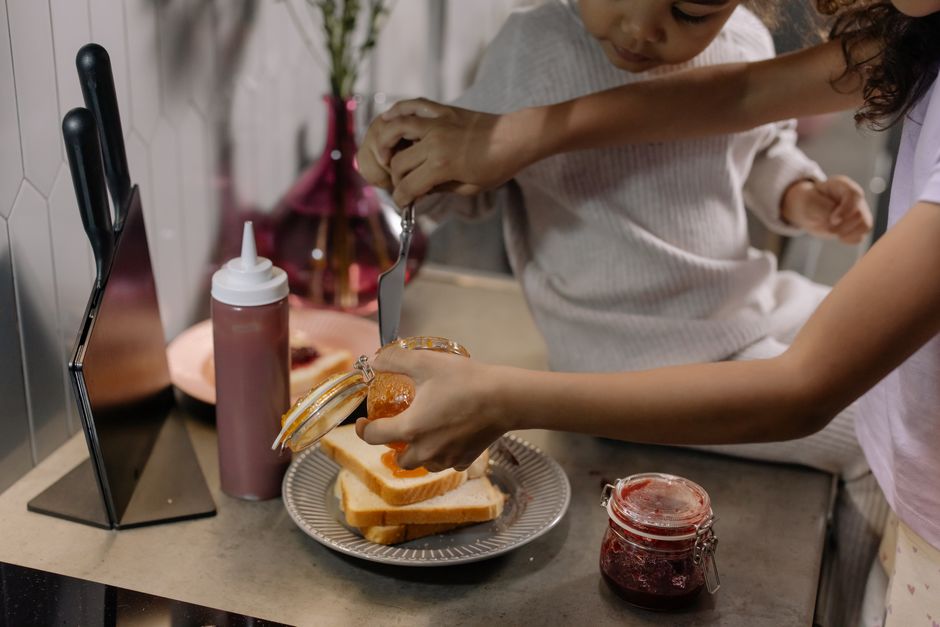
Now, guide your child as they bring their super snack vision to life! Supervise closely during the assembly process, making sure they use tools like the spoon or dull knife carefully and maintain clean habits. Encourage them to follow the plan they just made, but also allow room for spontaneous creativity if they have new ideas. Remind them that the goal is to enjoy the process of making something delicious. Once their snack is assembled, prompt them to clean up their workspace, putting away materials and wiping surfaces.
This stage is complete when your child has finished assembling their super snack and tidied their area.
Know Before You Teach
- Good to know: Using a dull knife safely means cutting away from your body and keeping your fingers tucked back, like a 'bear claw'.
- Cleaning up as you go, or right after, helps keep the kitchen tidy and prevents spills or sticky messes.
- Following a plan helps make sure all ingredients are used and steps are completed in the correct order.
- If they ask: Can I add something else? You can add something else if it's safe and we have it, but let's think about how it fits with the plan you already made.
- Key words: assemble: To put parts together to make a whole, like putting your snack ingredients together on a plate to make your snack.
- Key words: supervise: To watch over someone or something to make sure they are safe and doing things correctly, like when an adult watches you cook.
- It's working when: Child attempts to put ingredients together in some logical way, even if it's not exactly their initial plan.
- If they're stuck: Point to the next ingredient in their plan and ask, 'What's the next step you planned to do with this?'
- Easier: Pre-arrange the chosen ingredients on a plate for them to simply mix or spread, minimizing assembly steps.
- Harder: Ask them to explain why they are doing each step as they do it, relating it back to their plan or desired outcome.
Done when: Student has completed assembling their super snack.

5Summary 2 min
Celebrate your child's effort and their incredible super snack creation! Acknowledge their hard work and creativity. Ask them to reflect on their creation: "How does your super snack look?" and "How does it taste?" Encourage them to share their experience further by asking, "What was your favorite part about creating it?" You can also prompt them to think about what they learned, or what they might do differently next time. Reinforce the value of trying new things and being independent in the kitchen, just like grown-ups who cook.
This stage is complete when your child shares at least one key takeaway or thought about their snack-making experience.
Know Before You Teach
- Good to know: Reflecting on an activity helps children remember what they learned and how they felt during the process.
- Thinking about what went well and what could be done differently encourages problem-solving for future tasks.
- Being independent means doing things for yourself, which can be a fun way to learn new skills in the kitchen.
- If they ask: Why do I have to think about what I learned? Thinking about what you learned helps you remember it for next time and makes you even better at making snacks on your own.
- If they ask: Can we do this again? Yes, we can do this again! What new ingredients or ideas would you like to try for your super snack next time?
- Key words: independent: Doing things by yourself, without needing a lot of help from others, like making your own snack.
- It's working when: Child describes at least one thing they liked or disliked about making or eating their snack.
- If they're stuck: Share what you observed about their process, 'I noticed you were very careful when spreading the nut butter. Was that easy or tricky?'
- Easier: Ask them to just show you their favorite part of the snack they made, or the part they are most proud of.
- Harder: Ask them to suggest one new ingredient they would add or one step they would change if they made the snack again.
Done when: Student shares one key takeaway or thought about their snack-making experience.
Beyond The Spark
Fuel their curiosity beyond the Spark with bonus extras.
Table Talk
Learning to prepare your own snacks helps you make smart food choices and be more independent, just like grown-ups who cook meals for their families.
Challenge
Create a 'Snack Recipe Card' with drawings of their ingredients and steps, then try making it again for a family member!
Quick Recap Quiz 4 min
Customize this quiz, add questions, or follow your child's lead! Each question has a 'Parent Tip' to help them find the answer without giving it away.
1. What is the first thing you should do before making a snack?
- Wash your hands
- Eat the ingredients
Remind them about hygiene before touching food.
2. Why is it important to choose different kinds of food for your snack?
- It helps your body grow strong and healthy
- It makes the snack look funny
Discuss the benefits of varied nutrients for the body.
3. If you are using a spoon to spread, what should you do to be safe?
- Wiggle it around quickly
- Hold it carefully and spread slowly
Emphasize careful and controlled movements when using kitchen tools.
4. Making your own snack helps you learn to be more...
- Independent
- Messy
Connect the activity to growing up and doing things for themselves.
Loved This Spark?
Scan to jump into the app and explore similar Sparks in our Sparks Hub. New to Mai? Start free with 10 Sparks, no credit card needed.