
Shortest Day Science
Explore the science behind the shortest day of the year, the winter solstice. This hands-on activity uses a flashlight and a globe (or orange) to model Earth's tilt and understand how it causes shorter days and cooler temperatures.
Our goal: Learners will understand how Earth's tilt causes the winter solstice and the shortest day of the year. They will be able to model this phenomenon using simple tools and explain why the angle of sunlight affects both daylight hours and temperature.
What You Need
Flashlight • Orange • Playdough • Dark room
and this is just the baseline.
Scan to jump into the app and easily personalize this Spark to match your child's exact learning level and see how Mai will guide this lesson.
Learning Guide
A simple guide to lead you through the kickoff, the core challenge, and everything in between.
Mai’s Tips
- Darkness is key: Make sure the room is as dark as possible during Stage 4. If there's too much ambient light, the effect of the flashlight's beam spreading out on the tilted surface won't be clear, and the 'shorter day' observation will be less impactful. A blanket over the table can create a good dark zone.
- The 'tilt' illusion: Children often misunderstand that Earth's distance from the sun causes seasons. This activity directly addresses that by showing the effect of tilt. If the child brings up distance, gently guide them back to how the angle of light changes when tilted, emphasizing that distance changes very little and isn't the primary cause.
- Simplify the tilt: For younger children, don't worry about the exact 23.5-degree tilt. Just ensure the 'Earth' is noticeably leaning. The key is that one side is leaning away from the flashlight, making the light spread more and the 'day' shorter. You can simplify by saying, 'Imagine Earth is always leaning to one side, like it's taking a nap in space!'
- Focus on hemisphere: When discussing the light distribution, ensure you guide the child to focus on 'our' hemisphere (e.g., the top half of the orange if representing the Northern Hemisphere) being tilted away from the sun during winter. This makes the connection to their own experience more direct and understandable.
For The Grown-Up
- A common mix-up: Children often believe that winter is colder and has shorter days because the Earth is farther away from the sun. They intuitively connect distance with warmth.
- Try this: After setting up the model, ask: 'If Earth were farther away from the sun in winter, how would that change the light? Would it make the days shorter, or just dimmer? Does our tilt model explain both why days are shorter AND why the sun feels weaker?' This helps them see the tilt model offers a more complete explanation than just distance.
- Explain it like this: Imagine shining a flashlight directly onto a wall – it makes a small, bright circle. Now, shine it at the wall from a very slanted angle. The light spreads out into a big, dim oval. That's a bit like how the sun's light hits Earth in winter: it's spread out and weaker, making it feel colder and giving us shorter 'light' hours.
- A big question to ask: If the sun is always shining, why do some parts of Earth get so much less of its light during certain times of the year?
Prep Before Session 5 min
- Find a room or area that can be easily darkened, or prepare a large blanket to drape over a table to create a dark 'tent' for the activity.
1Introduction: Winter's Arrival 5 min
Open the conversation by asking the child about their experiences with winter and observations about the length of days. This helps activate their prior knowledge and sets the stage for exploring the science behind it. Ask them to describe what winter feels like and what changes they notice from other seasons.
- What are some things you love or don't love about winter?
- Have you noticed anything different about how long the sun is in the sky during winter compared to summer?
Know Before You Teach
- Good to know: The first day of winter is also known as the winter solstice.
- It's the day with the fewest hours of daylight in the year.
- Temperatures are generally colder in winter due to less direct sunlight.
- If they ask: Is the first day of winter always December 21st? It's usually December 21st or 22nd in the Northern Hemisphere, sometimes the 20th or 23rd, depending on the year's calendar and leap years.
- It's working when: Child making observations about light or temperature changes between seasons.
- If they're stuck: Ask them to describe a favorite summer day, then a winter day, and point out differences in what they could do outside.
- Easier: Focus only on 'days are shorter' without worrying about the exact date or scientific terms yet.
- Harder: Ask them to hypothesize why the sun might feel weaker in winter even if it's still in the sky.
Done when: Student shares observations about winter, daylight, or temperature.
2Explore & Plan: Modeling the Sun 8 min
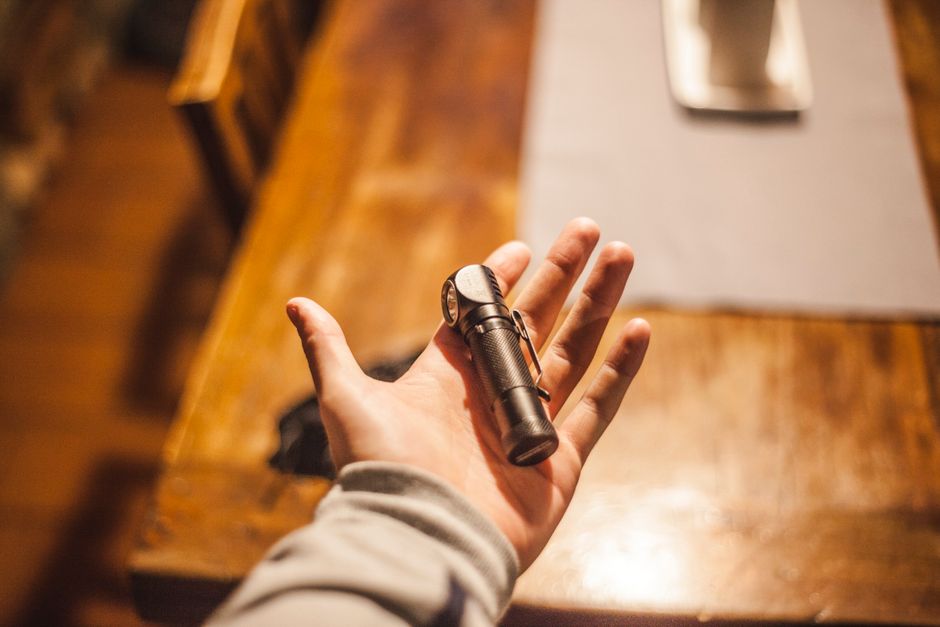
Gather the flashlight, orange (or globe), and playdough. Engage the child in planning how these items can represent the Earth and sun. Guide their thinking towards the concept of Earth's tilt. Ask them to predict what they might see.
- If the flashlight is our sun and the orange is our Earth, how can we show how the sun's light hits Earth?
- Do you think Earth sits perfectly straight, or is it tilted in space? How could we show that with our orange and playdough?
Know Before You Teach
- Good to know: Models help us understand complex scientific phenomena.
- The Earth is tilted on its axis, not straight up and down, as it orbits the sun.
- This tilt is crucial for understanding seasons and day length.
- If they ask: Why is Earth tilted? Scientists believe it happened a very long time ago when something huge hit Earth and knocked it sideways. Now it stays that way as it spins.
- Key words: Axis: An imaginary line passing through the center of an object, around which it spins, like a spinning top.
- It's working when: Child attempting to show a tilt or a light source in their predictions.
- If they're stuck: Suggest they try holding the orange straight and then tilted, asking which way looks more interesting or different.
- Harder: Ask them to draw what they think the model will look like when it's set up.
Done when: Student has gathered materials and made a prediction about how to model the sun's light on Earth.
3Discussion: The Solstice Secret 6 min
Introduce and explain the term 'winter solstice'. Explain that it's the specific moment the sun's path is furthest south (in the Northern Hemisphere) because Earth's tilt points one pole furthest away from the sun. Connect this to their earlier observations or predictions.
- What does it mean for something to be 'tilted' away? How would that change how much light it gets?
- What did you notice in our model that might explain why days are shorter in winter?
- If the sun feels weaker in winter, how does our model show why that might be?
Know Before You Teach
- Good to know: This tilt results in the sun appearing lower in the sky and fewer hours of daylight.
- The word 'solstice' comes from Latin, meaning 'sun stands still', because the sun appears to pause in its seasonal movement across the sky.
- Key words: Winter Solstice: The shortest day of the year in terms of daylight hours, when one of Earth's poles is tilted farthest away from the sun.
- Key words: Hemisphere: Half of the Earth, like the Northern Hemisphere (above the equator) or the Southern Hemisphere (below the equator).
- It's working when: Child using words like 'tilt,' 'angle,' or 'shorter' in their explanations.
- If they're stuck: Ask them to point to which part of the orange would be 'tilted away' from the flashlight and what that means for light.
- Easier: Focus only on 'shortest day of the year' and the idea of tilt without diving deep into the Latin meaning or hemisphere details.
- Harder: Ask them what they think the opposite of a winter solstice might be, and what that would mean for daylight.
Done when: Student can explain in their own words that Earth's tilt causes shorter days in winter, and understands what a solstice means.

4Activity: Tilting Earth, Changing Light 9 min
Help the child set up the model. Dim the lights or go into a dark room. Guide them to tilt the orange/globe (Earth) using playdough, then shine the flashlight (sun) from a distance. Have them slowly rotate the 'Earth' and observe how the light falls, focusing on the hemisphere tilted away from the sun. Point out how the light spreads out and how the 'day' (lit side) is shorter. Ensure they notice the Northern Hemisphere getting less direct light.
- Tilt the orange/globe using playdough. Make sure it's at an angle, not straight up.
- Stand back a bit and shine the flashlight steadily onto the tilted orange.
- Slowly spin the orange like Earth rotates. Watch how much of the tilted side gets light and for how long.
- What happens to the light on the part of Earth that's tilted away from the sun? Does it look as bright or spread out?
Know Before You Teach
- Good to know: This oblique angle spreads the same amount of sunlight over a larger area, making it less concentrated and less effective at warming the surface.
- If they ask: Why is it still cold after the winter solstice, even when days start getting longer? It takes time for the Earth's surface and oceans to warm up, like it takes a while for a pot of water to boil even after you turn up the heat. The coldest part of winter often comes weeks after the shortest day.
- It's working when: Child observing that the light beam is wider/more spread out on the tilted side, and the illuminated part is smaller as it rotates.
- Easier: Just focus on how the lit-up part of the orange gets smaller as it spins, representing shorter days.
- Harder: Ask them to explain how the spread of light affects how warm that part of the Earth might get, not just day length.
Done when: Student has successfully modeled Earth's tilt, demonstrated how light hits it during winter, and observed the effect.

5Summary: Cozy Winter Reflections 2 min
Wrap up by celebrating their scientific journey. Ask reflection questions to help them consolidate their learning. Connect their scientific understanding to common winter experiences or traditions.
- What was the biggest 'aha!' moment for you today?
- How does understanding Earth's tilt help explain why we have cozy traditions like warm drinks and indoor games in winter?
- If you could tell a friend one thing about the winter solstice, what would it be?
Know Before You Teach
- Good to know: Understanding astronomical phenomena helps us appreciate cultural traditions and our place in the universe.
- Winter solstice traditions often involve light, warmth, and gathering, reflecting the desire to combat the longest night.
- Learning about Earth's movements fosters curiosity about science and the natural world.
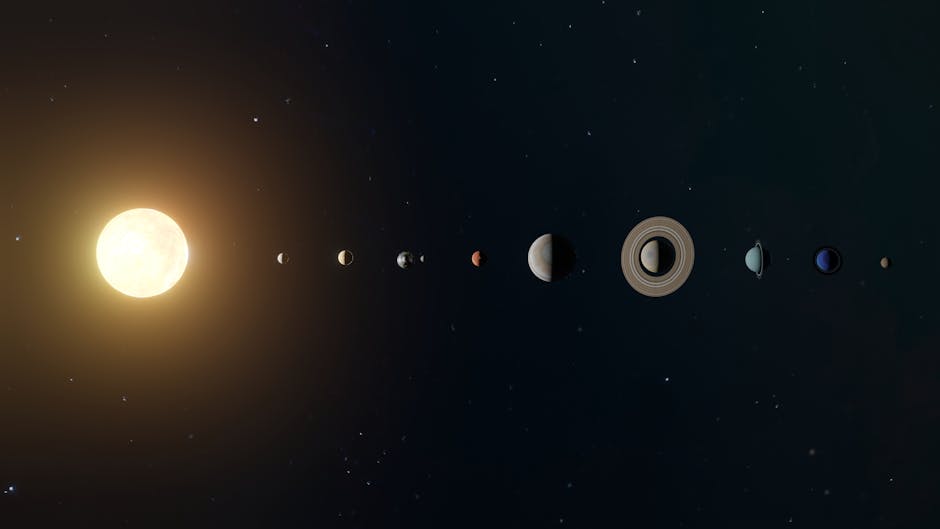
- If they ask: Do other planets have solstices? Yes, many planets in our solar system are tilted, so they also experience seasons and solstices, though they might be very different from Earth's!
- It's working when: Child making a connection between the science and their own winter experiences.
- If they're stuck: Prompt them with 'What's one new thing you'll remember about why winter days are short?'
- Easier: Have them simply state one thing they found cool or surprising.
- Harder: Ask them to think about how people in the Southern Hemisphere experience their winter solstice (it would be in June, when it's our summer).
Done when: Student shares one key takeaway about Earth's tilt or the winter solstice.
Beyond The Spark
Fuel their curiosity beyond the Spark with bonus extras.
Table Talk
Understanding Earth's tilt and solstices helps scientists and engineers plan everything from solar panel efficiency to satellite orbits and even agricultural planting schedules.
Did You Know?
Did you know that even though the winter solstice has the shortest daylight, the coldest days of winter usually happen later?
Challenge
Using your model, try to show what the Earth would look like during the summer solstice. How would you tilt it differently, and what would happen to the light on your hemisphere?
Quick Recap Quiz 4 min
Customize this quiz, add questions, or follow your child's lead! Each question has a 'Parent Tip' to help them find the answer without giving it away.
1. What causes the Earth to have shorter days in winter?
- Earth is farther from the sun.
- Earth is tilted on its axis.
Remind them about the tilted orange in our model.
2. What happens to sunlight when it hits Earth at a shallow angle in winter?
- It spreads out over a larger area, making it less intense.
- It becomes more focused and hotter.
Think about how the flashlight beam looked when the orange was tilted away.
3. What is the 'winter solstice'?
- The day when Earth is closest to the sun.
- The shortest day of the year in terms of daylight.
Recall our discussion about the meaning of solstice and what it brings.
4. Why does understanding the solstice help us appreciate winter traditions?
- It helps us know why we naturally seek warmth and light indoors.
- It tells us when the longest day of the year will be.
Think about what shorter, less bright days make us want to do.
Loved This Spark?
Scan to jump into the app and explore similar Sparks in our Sparks Hub. New to Mai? Start free with 10 Sparks, no credit card needed.