
Seeds Become Plants
This lesson challenges learners to become plant scientists by germinating a seed and observing its transformation. It explores the basic needs of a growing plant through hands-on experimentation.
Our goal: In this spark, your learner will identify the basic needs of a seed to sprout (water, light, warmth), observe and document the early stages of seed germination and develop a simple hypothesis about what a seed needs to grow.
What You Need
Bean Seed • Paper Towel • Plastic Bag • Water
and this is just the baseline.
Scan to jump into the app and easily personalize this Spark to match your child's exact learning level and see how Mai will guide this lesson.
Learning Guide
A simple guide to lead you through the kickoff, the core challenge, and everything in between.
Mai’s Tips
- Encourage your child to draw or journal their daily observations of the seed, noting changes in size, color, or shape. This builds scientific documentation skills.
- Discuss the importance of patience and consistent care. Explain that scientific discoveries often take time, and observing changes over days is part of the fun!
Prep Before Session 10 min
- Obtain bean seeds (e.g., lima beans, pinto beans, or kidney beans).
- Gather paper towels and small, clear plastic zip-top bags.
- Have water readily available.
- Identify a warm spot with indirect light to hang the seed bag for observation.
1Introduction 5 min
Start a conversation about how plants grow. Ask your child what they already know or wonder about seeds and plants. Encourage any ideas they have about what a tiny seed might need to become a big plant. Don't correct their answers; just listen and acknowledge their thoughts to build excitement for the activity.
Guiding questions:
- "What makes a tiny seed grow into a big plant?"
- "What do you think a seed needs to wake up and start growing?"
- "What have you seen plants need out in the world?"
Done when your child has shared at least one idea about what plants might need to grow.
Know Before You Teach
- Good to know: A seed contains a tiny, sleeping plant with its own stored food.
- If they ask: Where do seeds come from? Seeds come from parent plants, often from flowers or fruits, and each seed holds a baby plant inside.
- If they ask: Do all plants grow from seeds? Most plants we see do, but some can grow from other parts, like roots or stems.
- It's working when: Your child points to a plant or seed they know, or names something a plant needs.
- If they're stuck: Think about a plant outside, what does it always have around it to help it live?
- Harder: What do you think is inside a tiny seed that lets it become a big plant?
Done when: Student shares at least one idea about what plants might need to grow.
2Explore & Plan 8 min
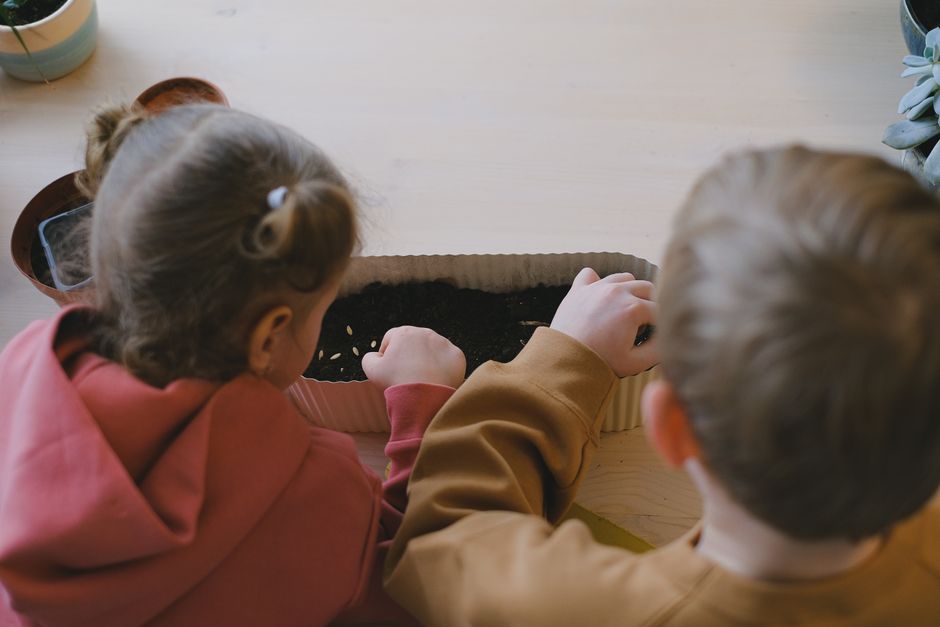
Shift from brainstorming to planning a simple experiment. Have your child suggest what materials might be needed for a seed to sprout, using the provided list as a guide: a bean seed, paper towel, plastic bag, and water. Once the materials are gathered, discuss how they will use them to help the seed grow.
Guiding questions:
- "What materials do you think we need to help our seed sprout?"
- "How should we use these materials to set up our seed?"
- "What do you think will happen if we give the seed water?"
Done when all the materials are gathered, and you've discussed a simple plan for how to set up the seed to sprout.
Know Before You Teach
- Good to know: Water softens the seed coat and activates the tiny plant inside.
- The paper towel holds moisture and provides a surface for the roots to grow without needing soil at first.
- The plastic bag helps keep the seed moist and warm, like a tiny greenhouse.
- If they ask: Why not soil? We can see the seed grow more easily without soil covering it, but soil has all these things too.
- It's working when: Your child places the materials together in a sequence, even if not perfect.
- If they're stuck: We need to keep the seed wet, which of these things holds water?
- Easier: Let's put the paper towel in the bag first, then what do you think goes next?
- Harder: What might happen if we didn't put water with the seed, or if we didn't use the plastic bag?
Done when: All materials are gathered, and a simple plan for germinating the seed is discussed.

3Discussion 6 min
Explain that scientists make predictions, also called a hypothesis, which is an educated guess about what you think will happen based on what you already know. Scientists make predictions before doing experiments to help them understand what they're observing. Ask your child to make a prediction about what they expect to happen to the seed after it's set up. Encourage them to think about what they expect to see first and why.
Guiding questions:
- "What do you predict will happen when we put the seed with the wet paper towel?"
- "What part of the plant do you expect to see first?"
- "Why do you think that will happen?"
- "How do you imagine the seed will change?"
Done when your child has made a prediction about the seed's initial changes after setup.
Know Before You Teach
- Good to know: The first part of a bean seed to emerge is usually the root, which helps anchor the plant and absorb water.
- The stem and leaves will grow upwards later, seeking light.
- If they ask: What if my prediction is wrong? That's okay, scientists often have predictions that don't match what happens, and they learn a lot from that.
- Key words: Hypothesis: Another word for a prediction that scientists make.
- It's working when: Your child describes a specific physical change they expect (e.g., 'it will get bigger' or 'a tiny white thing will come out').
- If they're stuck: Do you think a root or a leaf will pop out first?
- Easier: Will the seed get bigger or stay the same size after a few days?
- Harder: If the seed needs water and warmth, what do you think it will do first to find those things?
Done when: Student makes a prediction about the seed's initial changes after setup.
4Activity 9 min
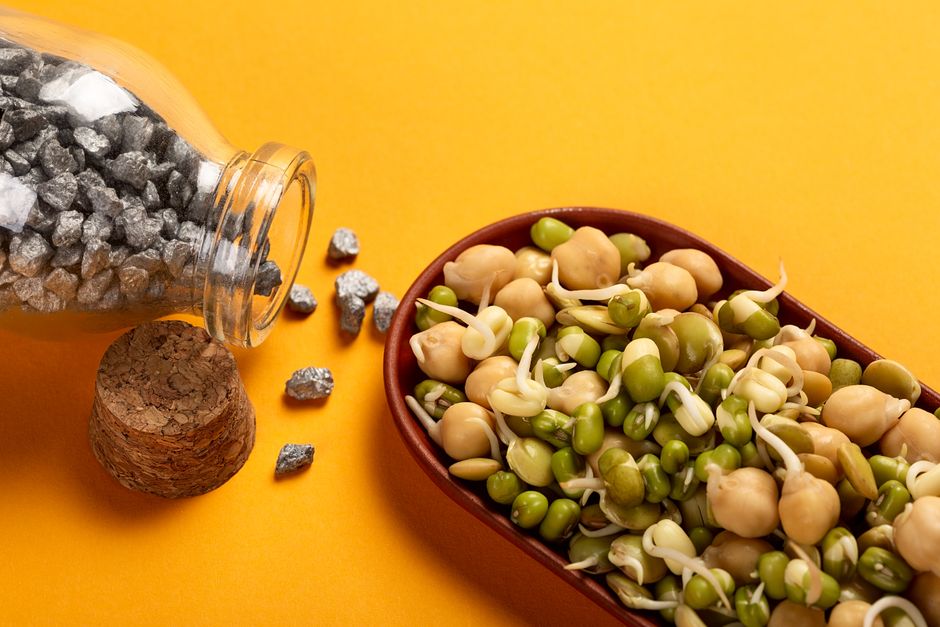
Guide your child through setting up their seed experiment. First, use water to gently moisten the paper towel until it's damp, but not dripping wet. Next, have them carefully place the bean seed inside the moist paper towel. Then, supervise as they gently put the paper towel with the seed into the plastic bag. Ensure the bag is sealed well to prevent any spills. Finally, help them find a suitable warm and sunny spot to hang the bag for observation over the next few days. Ask them to observe the seed as they set it up.
Guiding questions:
- "What do you notice about the seed as you're setting it up?"
- "Why do you think we need to put it in a sunny spot?"
Done when the seed is successfully set up in the plastic bag and placed in its observation spot.
Know Before You Teach
- Good to know: A warm spot helps speed up the metabolic processes for germination.
- While light isn't strictly necessary for initial germination, it is essential for photosynthesis once leaves appear.
- If they ask: Why a sunny spot now? The sun's warmth helps the seed wake up and start growing, but once it has leaves, it will need sun to make its own food.
- If they ask: Does it need dirt? Not for sprouting, but it will need dirt and more room to grow bigger after the first roots and shoots appear.
- If they're stuck: Can you gently fold the paper towel around the seed like a blanket?
- Easier: I'll wet the paper towel; you place the seed on it.
- Harder: Why do you think it's important to seal the bag after we put the seed inside?
Done when: The seed is successfully set up in the plastic bag and placed in its observation spot.
5Summary 2 min
Congratulate your child on their work as a plant scientist. Guide them to reflect on the lesson by asking what stood out to them. Emphasize the importance of patience and consistent observation over the next few days.
Guiding questions:
- "What was the most surprising thing you learned or thought about today?"
- "What do you think will be the most important thing to watch for as our seed begins to grow?"
- "What are you looking forward to seeing happen next with our seed?"
Done when your child shares one key takeaway from the lesson or their plan for future observations.
Know Before You Teach
- Good to know: Seeds need water, warmth, and air to germinate, and then sunlight to grow into a plant.
- Scientists carefully observe changes over time to understand how things work.
- If they ask: When will it grow? It might take a few days to a week, but we will watch it every day to see if anything new happens.
- If they ask: What if nothing happens? Sometimes seeds don't sprout, but we can learn from that too, and maybe try again with a new seed.
- If they're stuck: What was the coolest thing we did today?
- Harder: How does what we did today help us understand how plants grow outside?
Done when: Student shares one key takeaway from the lesson or their plan for future observations.
Beyond The Spark
Fuel their curiosity beyond the Spark with bonus extras.
Table Talk
Botanists and farmers use their knowledge of seed germination to grow the food we eat every day, like beans, corn, and wheat!
Challenge
Design a daily observation log for your seed. Draw what you think it will look like in 3 days, 1 week, and 2 weeks, then compare your predictions to what actually happens!
Quick Recap Quiz 4 min
Customize this quiz, add questions, or follow your child's lead! Each question has a 'Parent Tip' to help them find the answer without giving it away.
1. What does a bean seed need MOST to start sprouting?
- A tiny bed
- Water and warmth
Remind them of what we gave our seed to help it 'wake up'.
2. What part of a baby plant usually grows out of the seed first?
- A tiny root
- A big flower
Think about what a plant needs to hold onto the ground and drink water.
3. If your seed is not sprouting, what should you check first?
- If it has a name
- If it has enough water and warmth
What are the most important things we discussed for seeds to grow?
4. Why do farmers care about how seeds sprout and grow?
- So they can grow food for us to eat
- So they can wear funny hats
Connect it back to where our food comes from.
Loved This Spark?
Scan to jump into the app and explore similar Sparks in our Sparks Hub. New to Mai? Start free with 10 Sparks, no credit card needed.