
Rosh Hashanah Sweet Start
Embark on a hands-on journey to explore Rosh Hashanah, the Jewish New Year, by creating a meaningful 'sweet start.' This challenge encourages reflection, planning, and preparing a symbolic treat to welcome new beginnings.
Our goal: In this spark, your learner will explain the core concept of Rosh Hashanah as a time for new beginnings and reflection, design and prepare a symbolic 'sweet start' treat using common household items and practice critical thinking and creativity in connecting food traditions to personal hopes for the future.
What You Need
Apples • Honey • Small Plates • Paper • Pens • Child-Safe Knife
and this is just the baseline.
Scan to jump into the app and easily personalize this Spark to match your child's exact learning level and see how Mai will guide this lesson.
Learning Guide
A simple guide to lead you through the kickoff, the core challenge, and everything in between.
Mai’s Tips
- Encourage younger children to focus on the sensory experience and the simple act of preparing and tasting, while older children can delve deeper into symbolism and personal reflection.
- Let children take the lead in deciding how to arrange their 'sweet start' components; their creativity is part of the learning process.
1Introduction 5 min
Introduce Rosh Hashanah as the Jewish New Year, a time for new beginnings and reflection. Explain that "new beginnings" means a fresh start, like the first page of a new notebook, a chance to learn from the past and plan for the future. Ask the following questions to prompt discussion:
1. "What does starting fresh feel like?"
2. "Have you ever thought about what makes a year 'sweet'?"
3. "What does 'new beginnings' mean to you?"
Ensure the child participates in the conversation.
Done: Child engages in discussion about new beginnings and reflection.
Done when: Student engages in discussion about new beginnings and reflection.

2Explore & Plan 8 min
Discuss the tradition of eating sweet foods, like apples and honey, during Rosh Hashanah. Explain that "symbolize" means one thing stands for another, like a heart symbolizes love. Here, sweet foods symbolize hopes for a sweet, happy new year. Ask:
1. "How do you think sweet foods connect to the idea of a 'sweet' future?"
2. "What sweet items could we use to make our own 'sweet start'?"
3. "How would you like to prepare and present our 'sweet start'?"
Guide them in planning their creation using apples, honey, and small plates. If using optional paper and pens, ask if they want to include a written hope.
Done: Child identifies the symbolic connection of sweet foods and plans their 'sweet start' creation.
Done when: Student identifies the symbolic connection of sweet foods and helps plan their 'sweet start' creation.

3Discussion 6 min
With the planned materials visible, delve deeper into the symbolism. "Reflection" means thinking carefully about something, looking back at what happened, and understanding how you feel. Ask:
1. "Why do you think certain foods are chosen for traditions like this?"
2. "What other things, besides food, could symbolize hope or sweetness for a new year?"
3. "How does thinking about a 'sweet year' make you feel?"
Encourage them to elaborate on their ideas and feelings. Focus on how the idea of a "sweet year" connects to their personal hopes.
Done: Child explains the symbolic meaning of the sweet foods and their personal connection to a 'sweet year'.
Done when: Student can explain the symbolic meaning of the sweet foods and their personal connection to a 'sweet year'.
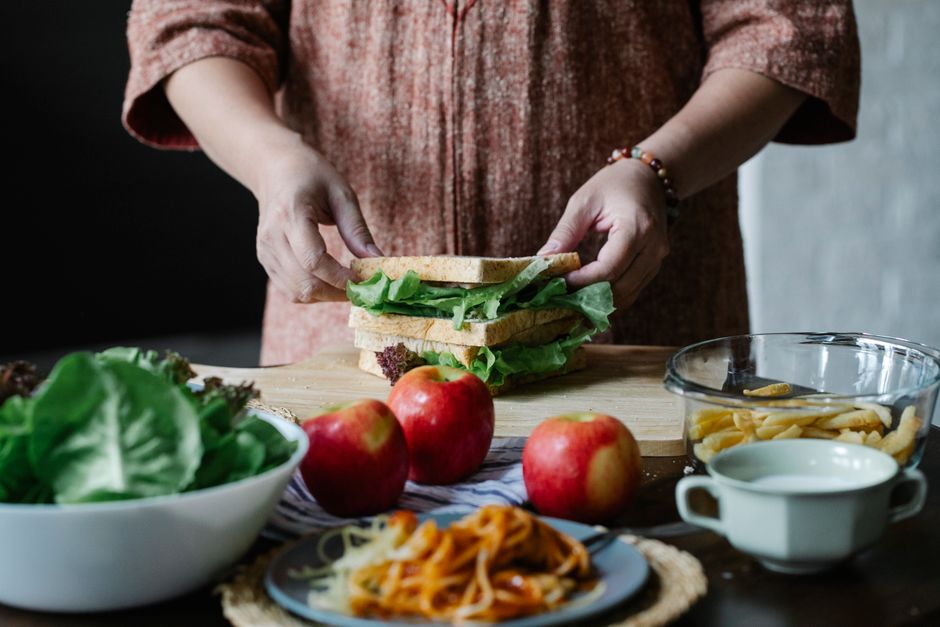
4Activity 9 min
Provide apples, honey, small plates, and the optional paper and pens. Guide the child through the steps to create their 'Sweet Start'.
1. Help them carefully wash the apples. If using a child-safe knife, supervise closely as they slice the apples into bite-sized pieces.
2. Have them arrange the apple slices neatly on individual small plates.
3. Guide them to drizzle a generous amount of honey over the apple slices on each plate.
4. If they chose to, have them write down one hope or wish for their 'sweet year' on a small slip of paper and place it next to their treat.
Let them lead the preparation and arrangement, emphasizing that the process and reflection are more important than perfection.
Done: Child has completed their physical 'sweet start' creation and is ready to share.
Done when: Student has completed the physical 'sweet start' creation and is ready to share.

5Summary 2 min
Celebrate the child's effort and their finished 'Sweet Start'. "Takeaway" means an important point or lesson learned from an experience. Ask:
1. "What was the most interesting thing you learned or created today?"
2. "What part of the activity did you enjoy most?"
3. "How might you carry this idea of a 'sweet start' into your everyday life?"
Encourage them to share their hopes for the new year. Enjoy the 'sweet start' treat together!
Done: Child shares one key takeaway or reflection from the activity.
Done when: Student shares one key takeaway or reflection from the activity.
Beyond The Spark
Fuel their curiosity beyond the Spark with bonus extras.
Table Talk
Reflecting on the past and setting intentions for the future is a key practice in personal growth, business planning, and even scientific research.
Challenge
Research another cultural tradition that celebrates new beginnings or harvests and find a symbolic food associated with it. Can you make that food, too?
Quick Recap Quiz 4 min
Customize this quiz, add questions, or follow your child's lead! Each question has a 'Parent Tip' to help them find the answer without giving it away.
1. Rosh Hashanah is a holiday about:
- Summer vacation
- New beginnings
Rosh Hashanah is the Jewish New Year, a time to start fresh.
2. Eating apples and honey during Rosh Hashanah symbolizes:
- A sweet new year
- Healthy eating habits
The sweetness of the food is a wish for a sweet year ahead.
3. What is a good way to prepare for a 'sweet new year'?
- Only eat candy
- Reflect on the past and set good intentions
Thinking about what you'd like to improve or do differently helps make a year 'sweet'.
4. Why is it important to reflect on the past year?
- To learn from experiences and grow
- To forget everything that happened
Reflecting helps us understand what went well and what we can improve for the future.
Loved This Spark?
Scan to jump into the app and explore similar Sparks in our Sparks Hub. New to Mai? Start free with 10 Sparks, no credit card needed.