
Rainbow Density Tower
Discover the science of density by creating a stunning layered liquid tower. This challenge explores why some liquids float while others sink, using common household ingredients to build a vibrant, gravity-defying display.
Our goal: In this spark, your learner will predict how different liquids will layer based on their density, construct a multi-layered liquid column with distinct boundaries and explain the concept of density in relation to floating and sinking.
What You Need
Tall Clear Glass • Water • Cooking Oil • Honey • Honey or dish soap
and this is just the baseline.
Scan to jump into the app and easily personalize this Spark to match your child's exact learning level and see how Mai will guide this lesson.
Learning Guide
A simple guide to lead you through the kickoff, the core challenge, and everything in between.
Mai’s Tips
- Encourage the child to 'narrate' their actions and observations out loud, helping them process their thoughts and discoveries.
- If a step doesn't go as planned, help the child see it as an opportunity for learning and problem-solving, rather than a 'mistake'.
1Introduction 5 min
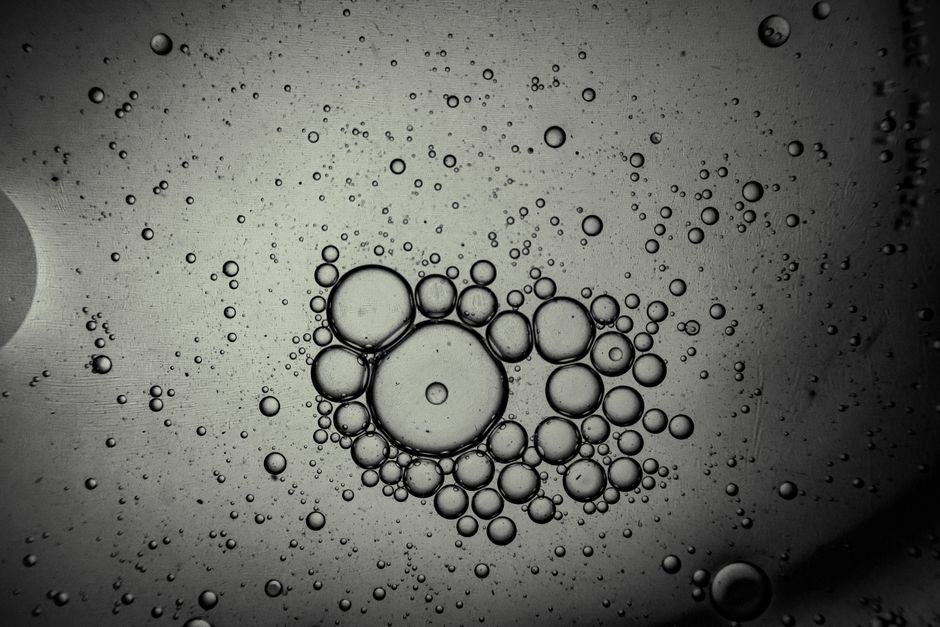
Engage your child by discussing common observations about liquids and objects. Ask them to share any experiences they've had with things floating or sinking, or liquids not mixing. Introduce the concept of density, which is how much 'stuff' is packed into a certain space; you can recognize it by how heavy something feels for its size. For example, a small rock is denser than a large sponge, and its opposite is 'less dense.' Understanding density helps us explain why things float or sink. Prompt their thinking without giving away answers.
Ask them:
* "Have you ever noticed some things float in water while others sink?"
* "What liquids have you seen that don't mix together?"
* "Why do you think those things happen?"
This stage is done when your child shares an observation or a question about floating, sinking, or mixing liquids.
Done when: Student engages with Mai's question, sharing an observation or a 'wondering' about floating/sinking.
2Explore & Plan 8 min
Help your child gather the required materials: a tall clear glass, water, cooking oil, and either honey or dish soap. Ensure they have all items ready. Have them examine the liquids carefully. Before any pouring begins, ask them to predict the order in which the liquids will layer in the glass. Encourage them to form a hypothesis about which will be heaviest and settle at the bottom, and which will be lightest and float on top.
Ask them:
* "Which of these liquids do you think will be the heaviest and settle at the bottom?"
* "Which will be the lightest and float on top?"
* "What makes you predict that specific order?"
This stage is done when your child has gathered all materials and clearly states their predicted layering order with some reasoning.
Done when: Student has gathered materials and articulated a prediction about the layering order and their reasoning.

3Discussion 6 min
Have your child explain their predictions for the liquid layering and the reasoning behind them. Listen actively to their thoughts first. If they struggle to articulate 'why,' offer gentle prompts or clarifying questions related to what they might already know about the properties of the liquids.
Ask them:
* "Tell me again, which liquid do you think will go to the bottom?"
* "What about that liquid makes you think it's heaviest?"
* "And which do you think will float on top? Why?"
* (If they get stuck) "What do you already know about how [oil/honey/water] behaves?"
This stage is done when your child can explain their predictions for the liquid layering and the reasoning behind them.
Done when: Student can explain their predictions for liquid layering and the reasoning behind them.
4Activity 9 min
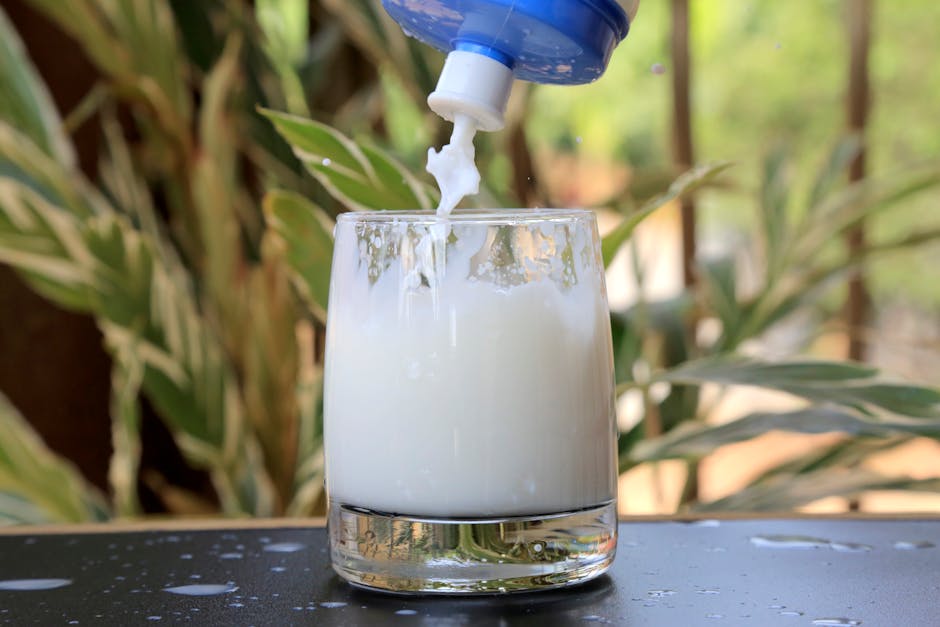
Provide a stable surface for the experiment. Remind your child not to taste any of the liquids. Instruct them to pour each liquid slowly and carefully down the side of the glass, one by one. Encourage them to observe closely after each addition. Discuss whether what they see matches their earlier predictions. This is an opportunity for observation, not perfection, so if liquids mix, treat it as a learning moment.
Ask them:
* "What did you notice as you poured the first liquid?"
* "Did the second liquid behave as you expected when you added it?"
* "What happened when you poured in the third liquid? Why do you think that occurred?"
This stage is done when your child has successfully poured all liquids into the glass and observed the layering or mixing effect.
Done when: Student has successfully poured all liquids into the glass, observing the layering (or mixing) effect.
5Summary 2 min
Celebrate your child's effort in creating their liquid tower, regardless of the outcome. Prompt them to reflect on their observations and what they learned during the activity. Ask them to explain why some liquids formed layers and others didn't, reinforcing the concept of density. Remember, density is how much 'stuff' is packed into a certain space; denser liquids sink, less dense liquids float.
Ask them:
* "What was the most surprising thing you saw happen?"
* "How would you explain why some liquids layered and others didn't?"
* "What do you think 'density' means now after seeing your liquid tower?"
This stage is done when your child shares a key observation or learning from the activity and attempts to explain it.
Done when: Student shares one key observation or learning from the activity and attempts to explain it.
Beyond The Spark
Fuel their curiosity beyond the Spark with bonus extras.
Table Talk
Understanding density helps engineers design ships that float, submarines that dive, and even helps meteorologists understand weather patterns.
Challenge
Try adding small objects like a grape, a plastic bead, or a bottle cap to your liquid tower. Predict where each object will settle!
Quick Recap Quiz 4 min
Customize this quiz, add questions, or follow your child's lead! Each question has a 'Parent Tip' to help them find the answer without giving it away.
1. What causes different liquids to form layers instead of mixing?
- Their colors are different.
- They have different densities.
Hint: It's about how much 'stuff' is packed into the same amount of space for each liquid.
2. Which liquid would you expect to find at the very bottom of a layered column?
- The liquid with the highest density.
- The liquid with the lightest color.
Hint: Think about why a heavy rock sinks and a light feather floats.
3. If you gently pour vegetable oil into a glass of water, what will happen?
- The oil will sink to the bottom.
- The oil will float on top of the water.
Hint: Think about what happens when you see oil slicks on the ocean or in a salad dressing.
4. How is understanding density useful in building real-life vehicles?
- It helps engineers design boats that float and submarines that can dive.
- It helps decide the best paint color for a car to make it faster.
Hint: What keeps a big, heavy cruise ship from sinking?
Loved This Spark?
Scan to jump into the app and explore similar Sparks in our Sparks Hub. New to Mai? Start free with 10 Sparks, no credit card needed.