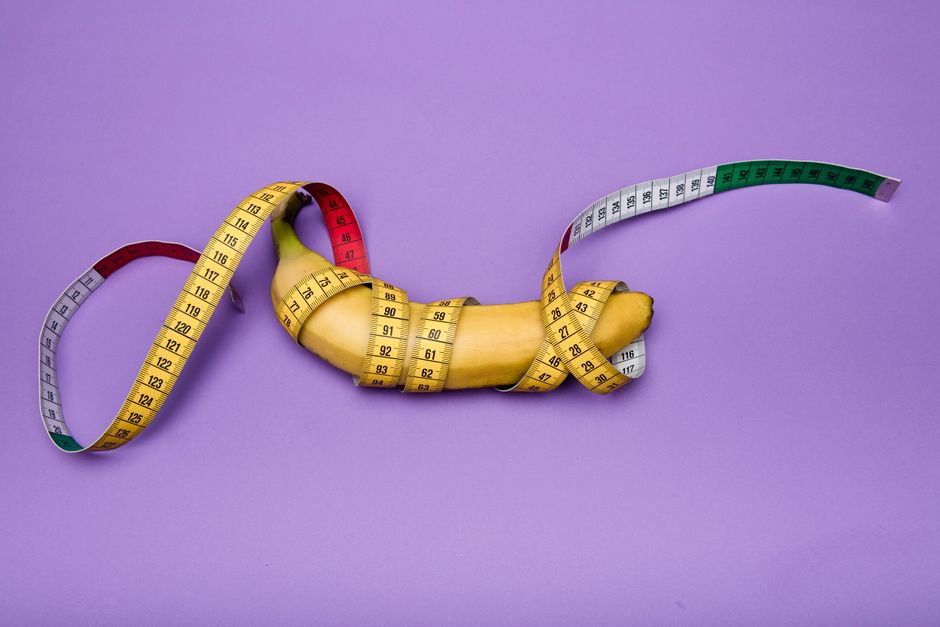
Mystery Path Challenge
This lesson challenges young learners to explore the concept of length by measuring objects around their home using everyday items. They will then use their measurements to create a fun, winding path, discovering how different 'tools' give different numbers but still help them understand size.
Our goal: In this spark, your learner will measure the length of various objects using non-standard units, compare and order objects based on their measured lengths and estimate and predict measurement outcomes before measuring.
What You Need
Shoes • Blocks • Paper Clips • String • Books • Toys • Pencils • String (optional) • Books/Toys (for path)
and this is just the baseline.
Scan to jump into the app and easily personalize this Spark to match your child's exact learning level and see how Mai will guide this lesson.
Learning Guide
A simple guide to lead you through the kickoff, the core challenge, and everything in between.
Mai’s Tips
- If your child struggles with accurate end-to-end placement of units, model it once or twice. Emphasize 'no gaps, no overlaps.'
- Encourage estimation before measuring. Ask, 'How many shoes do you think it will take?' and then compare their guess to the actual measurement.
Prep Before Session 10 min
- Identify 3-4 common household items that could be used as non-standard measuring tools (e.g., large blocks, shoes, paper clips, pencils).
- Place these items in an easily accessible spot for the activity.
- Briefly consider a few possible start and end points for a 'mystery path' in the home, like from one rug edge to another, or across a doorway.
1Introduction 5 min
Start a conversation about measuring. Ask the child to share their initial thoughts on what it means. Use open-ended questions to encourage discussion and personal connections.
Measuring is finding out how big something is, like its length, height, or width. For example, when you measure your height, you're finding out how tall you are. The opposite might be just guessing. Measuring helps us compare things and understand their size accurately.
Ask:
* "What do you think 'measuring' means?"
* "What things do we measure in our lives?"
* "Why do we measure things?"
Done when: Child discusses what measuring means and gives examples.
Know Before You Teach
- Good to know: Measuring helps us describe objects using numbers, like saying a table is 'four blocks long'.
- Measuring helps us understand the world around us better, like how much space we have or how far away something is.
- People have been measuring for thousands of years, even before rulers existed, using their hands or feet.
- If they ask: Can I measure my toy? Yes, we can measure many things! Today we'll measure a path.
- Key words: length: Length is how long something is, from one end to the other, like the length of a snake.
- Key words: height: Height is how tall something is, from bottom to top, like your height.
- Key words: width: Width is how wide something is, from side to side, like the width of a door.
- It's working when: Child offers a personal example of measuring, such as 'When we measured how tall I am'.
- If they're stuck: Ask about a specific familiar situation: 'When we bake cookies, do we just guess how much sugar to use?'
- Easier: Provide a simple object like a crayon and ask 'How would we measure this crayon?' to focus the discussion.
- Harder: Ask the child to consider a situation where not measuring would cause a problem, like building a house without measuring.
Done when: Student engages in a brief discussion about measuring.

2Explore & Plan 8 min
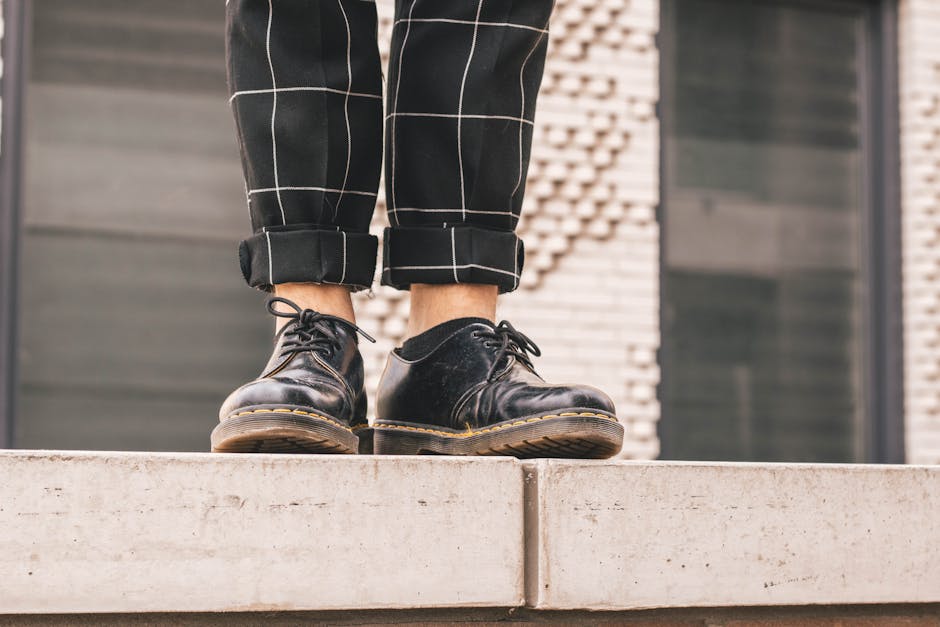
Guide the child to brainstorm common household items that could be used as 'non-standard units' for measuring length. Help them look around the room for examples like shoes, blocks, paper clips, or pencils. Ask them to gather 2-3 different types of these items.
A non-standard unit is an everyday item you use for measuring, like a shoe or a block, instead of a ruler. For example, using your shoe to measure the rug. The opposite is a standard unit, like inches on a ruler. It helps us understand the idea of units before using official tools.
Ask:
* "How can we measure things if we don't have a ruler?"
* "What everyday things could we use to measure the length of something, like the couch?"
* "How might we use a shoe to measure a line on the floor?"
Done when: Child has identified and gathered at least two non-standard measuring tools and can explain how to use them.
Know Before You Teach
- Good to know: It's important that a non-standard unit is consistent in size, meaning each 'shoe' or 'block' is the same size.
- If they ask: Can I use my hand? Yes, a hand could be a non-standard unit, but we will choose some objects that are easier to keep consistent for now.
- If they're stuck: Point to two or three different objects nearby and ask, 'Could this be a measuring tool?'
- Easier: Parent lays out 3-4 distinct items and asks the child to choose which ones they want to use for measuring.
- Harder: Challenge the child to explain why a very soft, squishy item would not be a good non-standard unit.
Done when: Student has identified and gathered at least two non-standard measuring tools and has a basic idea of how to use them.
3Discussion 6 min
Discuss with the child the concept that different non-standard units will yield different numerical measurements for the same object. Guide them to understand why this happens. Highlight the importance of the 'unit' when talking about measurements.
A unit is the specific item or size we use to measure with, like one shoe or one block. For example, saying something is 'three shoes long.' Without a unit, the number doesn't tell us what was used to measure. It tells us what we used to measure and helps us compare.
Ask:
"If you measured the table with shoes and then with blocks, would you get the same number*?"
* "Why or why not?"
* "Which tool do you think would give you a bigger number for the same length?"
* "What if we used something really tiny to measure?"
Done when: Child explains that different units give different numbers for the same length and understands the idea of a 'unit.'
Know Before You Teach
- Good to know: The size of the unit directly affects the number you get: smaller units result in larger numbers.
- Understanding that different units give different numbers helps us appreciate why standard units like inches or centimeters are useful for everyone to agree on.
- If they ask: Which number is right? Both numbers are right for the unit you used! They just tell us the size in different ways.
- If they ask: So a paperclip would give an even bigger number? Yes, if you used a tiny paperclip, you would need many, many more of them to cover the same length, so the number would be much bigger.
- It's working when: Child correctly predicts whether a smaller or larger unit will result in a larger number.
- If they're stuck: Take two vastly different items (e.g., a large shoe and a small block) and ask, 'If I measure this rug with the shoe, then with the block, which number will be bigger?'
- Easier: Focus on just two contrasting units and ask a direct 'Which one will give a bigger number?' question, then explain why.
- Harder: Ask them to imagine a measurement of '5' and then ask what else they need to know to truly understand that measurement.
Done when: Student articulates that different units will result in different numerical values and understands the idea of a 'unit'.
4Activity 9 min
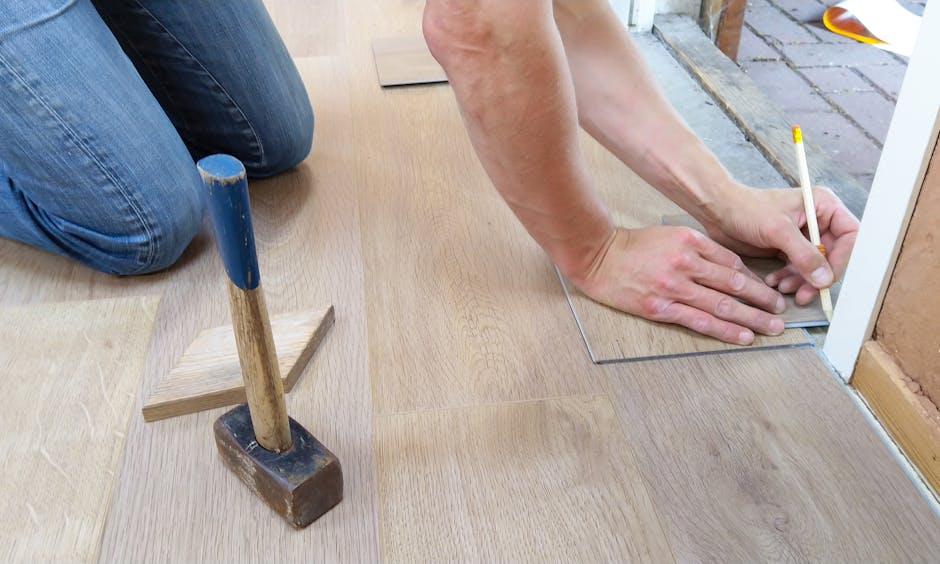
Help the child select a start and an end point for their 'mystery path.' Instruct them to choose one of their non-standard measuring tools. Remind them to lay their chosen units end-to-end without gaps or overlaps, then guide them to count accurately as they measure the path. Have them record their measurement. Next, have them measure the same path again using a second, different measuring tool and record that number.
Finally, encourage them to use books or toys to lay out a physical path on the floor that matches one of their measurements, representing the total length they found.
Ask:
* "Where will your mystery path start and end?"
* "How many [first chosen unit] long is your path?"
"How many [second chosen unit] long is the same* path?"
Done when: Child has measured their chosen path with at least two different non-standard units and has physically laid out a path matching one of their measurements.
Know Before You Teach
- Good to know: Accuracy in laying units end-to-end without gaps or overlaps is crucial for getting a consistent and reliable measurement.
- Counting each unit carefully and keeping track of the count is part of getting an accurate measurement.
- If they ask: Do I have to do it exactly? Try your best! The more carefully we place them, the more accurate our measurement will be, so we get a good idea of its real size.
- If they ask: Can I just guess the number? Today we are practicing measuring, so we want to count each unit carefully instead of guessing, so we know exactly how many.
- It's working when: Child attempts to place units end-to-end with minimal gaps or overlaps.
- If they're stuck: Start the measurement together, laying the first two or three units perfectly and counting them aloud, then hand over to the child.
- Easier: Suggest measuring a shorter, straight line object first, like a book or a placemat, before tackling a longer 'path'.
- Harder: Challenge the child to measure a slightly curved path, requiring them to think about how to align the units around the curve.
Done when: Student has measured their chosen path with at least two different non-standard units and has physically laid out a path matching one of their measurements.

5Summary 2 min
Celebrate the child's effort and discoveries in building their Mystery Path. Ask them to reflect on what they learned during the activity. Connect their new understanding of measurement to real-world examples that grown-ups use every day.
Ask:
* "What did you find most surprising about measuring with different things today?"
* "How do grown-ups use measuring in their everyday lives, like when cooking or building?"
* "What was your favorite part of building your Mystery Path, or what was challenging?"
Done when: Child shares one key takeaway or observation from the activity.
Know Before You Teach
- Good to know: Measurement is a fundamental skill used in many jobs, like carpentry, engineering, and fashion design.
- The activity helped them practice observation, counting, and critical thinking about how tools affect results.
- If they ask: Why do grown-ups use rulers if we can use shoes? Rulers give everyone the same exact number for the same length, which is important for sharing information and making sure things fit perfectly.
- If they ask: Can we measure other things now? Yes, once you understand how measuring works, you can measure almost anything around you!
- It's working when: Child expresses curiosity about measurement beyond the lesson, or connects it to a personal real-world example.
- If they're stuck: Share a personal example of when you recently measured something (e.g., 'I measured the amount of milk for breakfast this morning').
- Easier: Ask the child to simply state one thing they measured or counted during the activity.
- Harder: Ask them to imagine designing a new piece of furniture for their room and explain why measuring would be important for that.
Done when: Student shares one key takeaway or observation from the activity.
Beyond The Spark
Fuel their curiosity beyond the Spark with bonus extras.
Table Talk
Architects and builders use measurement every day to make sure buildings are the right size and don't fall down!
Challenge
Challenge your child to find three objects around the house and put them in order from shortest to longest without using a ruler, only by using one of their non-standard tools and then estimating visually.
Quick Recap Quiz 4 min
Customize this quiz, add questions, or follow your child's lead! Each question has a 'Parent Tip' to help them find the answer without giving it away.
1. If you measure a rug with shoes and then with pencils, will the number of shoes and pencils be the same?
- Yes, always the same number.
- No, it will be different.
Remind them that smaller items need more to cover the same distance.
2. Which tool would you need more of to measure your whole bedroom floor?
- Tiny paper clips
- Long rulers
Think about which item is smaller and would take more copies to stretch across the floor.
3. What does it mean to measure something?
- To guess how heavy it is.
- To find out how big or long it is.
Help them recall that today was about finding out 'how long'.
4. Why do grown-ups use special tools like rulers and tape measures?
- To make sure everyone gets the same measurement.
- Because they don't have shoes or blocks.
Discuss how standard tools help avoid confusion when people need to agree on a size.
Loved This Spark?
Scan to jump into the app and explore similar Sparks in our Sparks Hub. New to Mai? Start free with 10 Sparks, no credit card needed.