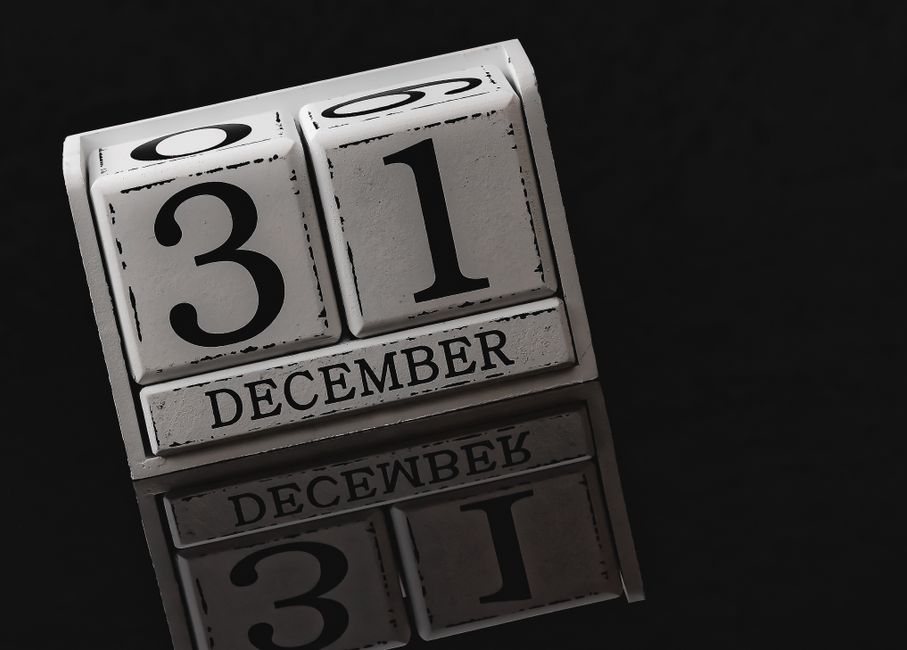
My New Year Capsule
This Spark challenges families to reflect on the past year and set intentions for the new one by creating a personal time capsule. Children will explore the idea of goal-setting and cultural traditions surrounding New Year's Day. It involves writing, drawing, and assembling a special container to be opened in the future.
Our goal: Learners will understand the purpose of a time capsule as a way to remember the past and plan for the future. They will practice reflecting on their accomplishments from the past year and setting exciting, achievable goals for the year ahead.
What You Need
Paper • Pencils or markers • Empty container with lid • Optional: Small items for capsule
and this is just the baseline.
Scan to jump into the app and easily personalize this Spark to match your child's exact learning level and see how Mai will guide this lesson.
Learning Guide
A simple guide to lead you through the kickoff, the core challenge, and everything in between.
Mai’s Tips
- Open-ended exploration: This activity is about personal reflection and forward-looking intentions, not about perfect writing or drawing. Encourage free expression; the value is in the thinking process itself.
- Goal specificity: The most common pitfall is children making very vague goals ('be good'). Guide them gently towards something more observable and actionable. For example, if they say 'be good,' ask 'What does 'being good' look like to you? Maybe 'help set the table three times a week'?
- Simplify for younger kids: For very young children, focus on just one favorite memory (drawn) and one simple hope (like 'play more with blocks'). The time capsule can be a simple decorated envelope.
- Cultural connections: If your family has specific New Year's traditions (e.g., specific foods, activities), weave them into the discussion to make the Spark more personally relevant. This reinforces that marking time is a universal human practice.
1Introduction: A Fresh Start 5 min
Start by talking about New Year's Day as a fresh start. Ask the child to think about the year that just ended and share a positive memory.
- 'What is one happy memory you have from last year?'
- 'What makes New Year's Day feel special or different from other days?'
Done when the child has shared a memory and some thoughts about the day.
Know Before You Teach
- Good to know: New Year's Day (January 1st) is celebrated by many cultures as the start of a new calendar year.
- It's a common time for people to reflect on the past year and think about hopes for the future.
- If they ask: Why do we celebrate New Year's? It's a way to mark the passing of time, celebrate accomplishments, and look forward to new chances and growth.
- If they're stuck: Suggest looking at old photos or talking about a recent holiday to spark memories.
- Easier: Ask for just one favorite activity they did last year.
- Harder: Ask them to describe their memory with as many details as possible (what they saw, heard, felt).
Done when: Child shares a memory from the past year and expresses some initial thoughts about New Year's.

2Explore & Plan: Your Future Message 8 min
Introduce the idea of making a time capsule. Explain what it is and why people make them. Gather the paper, pencils, and container. Brainstorm together what memories from the past year and hopes for the new year could go inside.
- 'What is a time capsule, and why would someone make one?'
- 'What memory from last year would you want to save for your future self?'
- 'What's one thing you hope happens for you in the new year?'
Done when the child understands time capsules and has 2-3 ideas for their contents.
Know Before You Teach
- Good to know: A time capsule is a container holding items meant to be found in the future, providing a snapshot of the present.
- They are often used to commemorate important events or as a personal way to connect with a future self.
- If they ask: Can I put anything in it? Yes, as long as it fits and won't spoil! Choose things that are important to you right now.
- If they're stuck: Suggest specific categories: 'What's your favorite song right now?' 'What's a toy you play with a lot?'
- Easier: Suggest drawing one picture of themselves right now.
- Harder: Challenge them to think of one item that represents 'the world' right now, not just themselves.
Done when: Child understands the concept of a time capsule and has brainstormed 2-3 ideas for its contents.

3Discussion: Setting Goals 6 min
Explain what a goal is: a specific thing you want to achieve or improve. Help them see the difference between a general wish and a clear goal. Discuss why setting goals is helpful.
- 'What makes a goal different from just a wish?'
- 'Why do you think people set goals for themselves?'
- 'Can you think of a goal you might want to set for the new year?'
Done when the child can explain what a goal is and suggests one specific goal.
Know Before You Teach
- Good to know: Goal-setting is important for personal growth and achieving aspirations.
- Effective goals are typically specific, measurable, achievable, relevant, and time-bound (SMART goals – though this term isn't used with kids).
- If they ask: What if I don't reach my goal? That's okay! The important part is trying and learning. You can always adjust your goal or set a new one.
- Key words: Goal: Something specific you decide you want to do or achieve in the future.
- It's working when: Child understanding that a goal needs to be more than just a vague desire.
- If they're stuck: Give examples of vague wishes and then turn them into specific goals (e.g., 'I want to eat healthier' -> 'I will try one new vegetable each week').
- Easier: Focus on a very simple, immediate goal like 'I will try to build a tall tower today.'
- Harder: Ask them to think of two steps they could take to start working towards their chosen goal.
Done when: Student can explain what a goal is in their own words and propose one specific goal for themselves.
4Activity: Building Your Time Capsule 9 min
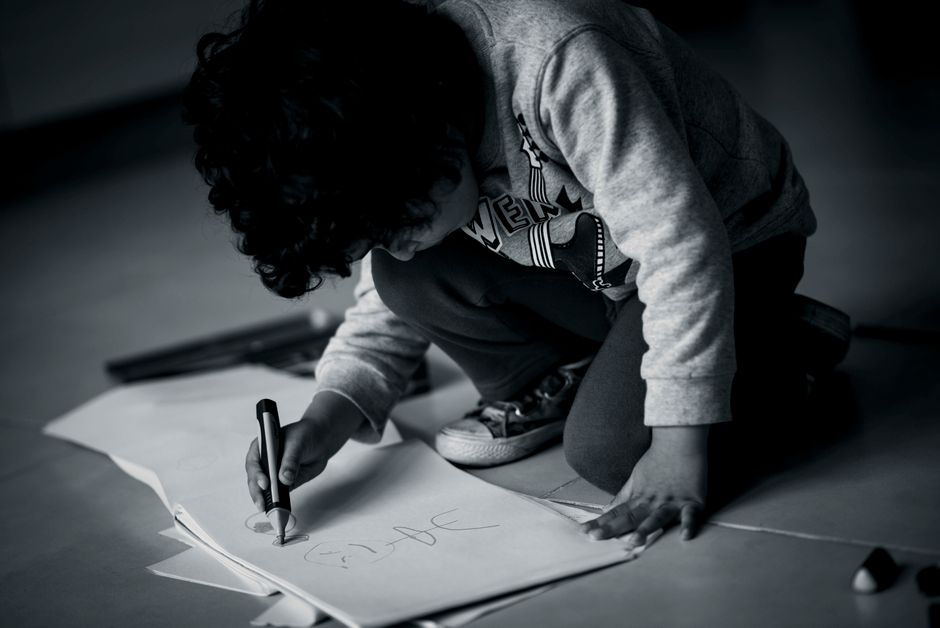
Have the child create the contents for their time capsule. This could include drawings of favorite memories, written goals for the new year, or a letter to their future self. Once ready, help them put everything into the container and seal it. Discuss where to store it and when to open it.
- 'What will you draw or write to show your future self about last year?'
- 'What goals will you include for the new year?'
- 'Where should we hide your time capsule, and when will we open it?'
Done when all items are in the container, it's sealed, and a re-opening date is decided.
Know Before You Teach
- Good to know: The act of creating and sealing the time capsule helps solidify the intentions and reflections.
- Choosing a future opening date makes the process tangible and exciting.
- If they ask: Can I open it early? It's much more exciting if you wait! It will be a surprise to see what your past self put inside.
- It's working when: Child taking ownership and pride in selecting and preparing their capsule items.
- If they're stuck: Offer sentence starters for writing ('My favorite thing from last year was...' 'Next year, I hope to...').
- Easier: Focus on drawing only, perhaps just one memory and one hope.
- Harder: Encourage them to write a short letter to their future self, explaining their current feelings and hopes.
Done when: Student has created contents for their time capsule, placed them inside, and sealed the container.

5Summary: Time Travelers 2 min
Celebrate the completion of the time capsule. Ask reflection questions about the activity and their feelings about their future self.
- 'How do you feel about sending a message to your future self?'
- 'What was the most interesting thing you thought about today?'
Done when the child shares a key takeaway or expresses excitement.
Know Before You Teach
- Good to know: Reflection helps consolidate learning and personal growth.
- Connecting current actions to future outcomes can build a sense of continuity and self-awareness.
- If they ask: What do you think my future self will be like? That's a great question! You'll have learned so much and grown even more. It will be fun to find out!
- It's working when: Child expressing curiosity or connection to their future self.
- If they're stuck: Ask what they are most looking forward to doing next year.
- Easier: Ask 'What was your favorite part of making your time capsule?'
- Harder: Ask 'How do you think making this time capsule might help your future self?'
Done when: Student shares one key takeaway from the activity or expresses excitement about opening their time capsule.
Beyond The Spark
Fuel their curiosity beyond the Spark with bonus extras.
Table Talk
Companies and organizations set annual goals, similar to personal New Year's resolutions, to plan for future projects and improvements.
Did You Know?
Did you know the tradition of making New Year's resolutions dates back over 4,000 years to ancient Babylonians?
Challenge
Create a 'Family Goals' jar where each family member writes one goal on a slip of paper and adds it to the jar. Review them together at the end of the year.
Quick Recap Quiz 4 min
Customize this quiz, add questions, or follow your child's lead! Each question has a 'Parent Tip' to help them find the answer without giving it away.
1. What is the main idea of making a time capsule?
- To hide secrets from others
- To save memories and hopes for the future
Remind them what they put inside and why it's kept for later.
2. Which of these is a good example of a specific goal?
- I want to read three new books this year.
- I want to read more.
Ask them which one you could actually count or check if it happened.
3. Why is New Year's Day a special time for many people?
- It's the only day to eat dessert.
- It's a chance to reflect and plan for a fresh start.
Think about what people often do or talk about when New Year's comes around.
4. What does setting a goal help you do?
- It helps you work towards something you want to achieve.
- It helps you forget about the past.
Remind them of the discussion about why goals are useful.
Loved This Spark?
Scan to jump into the app and explore similar Sparks in our Sparks Hub. New to Mai? Start free with 10 Sparks, no credit card needed.