
My Fall Wonder Jar
Embark on a creative journey to build a 'Fall Wonder Jar' using natural elements found outdoors. This challenge encourages observation of seasonal changes, artistic expression, and understanding why these shifts occur. Before starting, gather a small collection of fallen leaves, twigs, small acorns, or pinecones from outside. This might take 15-30 minutes.
Our goal: In this spark, your learner will observe and identify natural signs of autumn in their environment, design and create a unique symbolic representation of the fall season and explain the basic concept of seasonal changes and their impact on nature.
What You Need
Clear Jar • Leaves • Twigs • Acorns • Pinecones • Dried Berries • Glue • String • Tape • Glue (optional) • String (optional)
and this is just the baseline.
Scan to jump into the app and easily personalize this Spark to match your child's exact learning level and see how Mai will guide this lesson.
Learning Guide
A simple guide to lead you through the kickoff, the core challenge, and everything in between.
Mai’s Tips
- Before starting, clearly explain to your child that the goal is to create their unique interpretation of fall, not a perfect replica, to encourage true independent learning and creativity.
- During the activity phase, step back and observe. Offer materials and a listening ear, but allow the child to lead the design and execution, even if it's different from what you might imagine.
1Introduction 5 min
First, guide your child to collect a variety of small, fallen autumn treasures from outside, such as colorful leaves, small twigs, acorns, pinecones, or dried berries. Aim for small items that can fit into a jar. This pre-gathering should take 15-30 minutes. Once these natural items are gathered, begin the lesson by engaging your child in a conversation about autumn. Ask them:
"What special feelings or thoughts come to mind when you think about autumn?"
Then, encourage them to share their findings:
"What interesting things did you find outside that tell us fall is here?"
Done: Child shares initial observations and ideas about fall.
Done when: Student shares initial observations and ideas about fall.

2Explore & Plan 8 min
Lay out all the gathered natural items and the clear jar on a flat surface. Encourage your child to handle and observe each item closely, noticing textures, colors, and shapes. Ask:
"Which item is your favorite and why?"
"How does this item connect to autumn?"
"If your jar could tell a story about fall, what items would you choose and how would you arrange them to tell that story?"
Let them experiment with different arrangements inside or around the jar. Resist the urge to fix or direct their initial ideas as they plan how their 'Fall Wonder Jar' will look.
Done: Child has a rough plan for how they want to arrange the items in their jar.
Done when: Student has a rough plan for how they want to arrange the items in their jar.
3Discussion 6 min
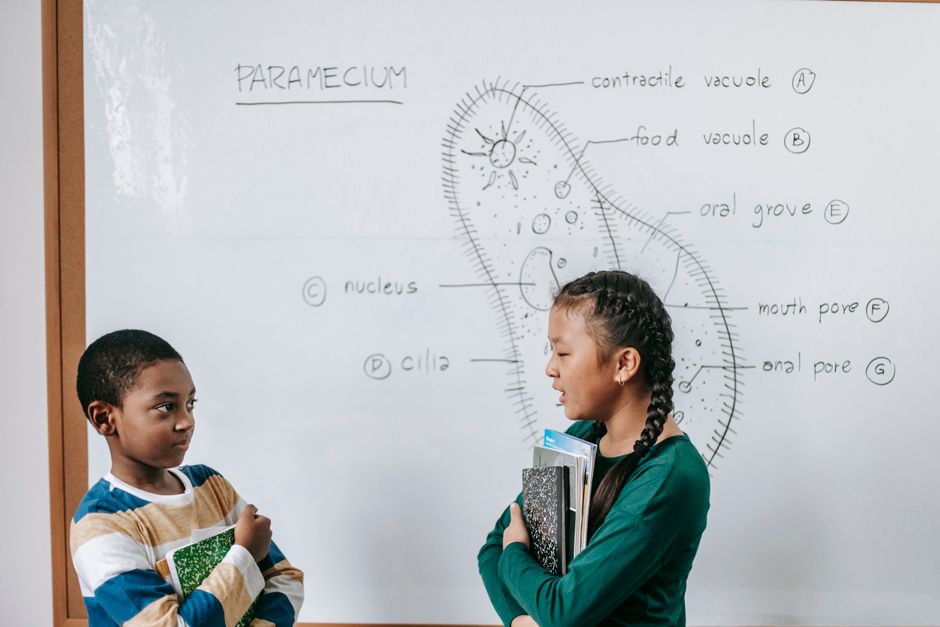
Introduce the concept of "seasonal changes." Explain that: 'Seasonal changes are the regular, predictable shifts in weather, plant life, and animal behavior that happen each year, following a set pattern.' Then ask:
"How can we tell a season is changing? What do we see, feel, or hear that tells us it’s autumn and not summer or winter?"
Provide examples like leaves changing color in fall or flowers blooming in spring, contrasting predictable seasons with unpredictable day-to-day weather. Explain the 'why' behind these changes: 'These changes happen because our Earth is tilted on its axis as it travels around the sun, which means different parts of the Earth get more direct sunlight at different times of the year, making it warmer or colder.' Guide their thinking further with:
"Besides the changing leaves, what other seasonal changes might an animal notice in autumn?"
Done: Child can explain the core concept of seasonal changes in their own words and relate it to autumn.
Done when: Student can explain the core concept of seasonal changes in their own words and relate it to autumn.
4Activity 9 min
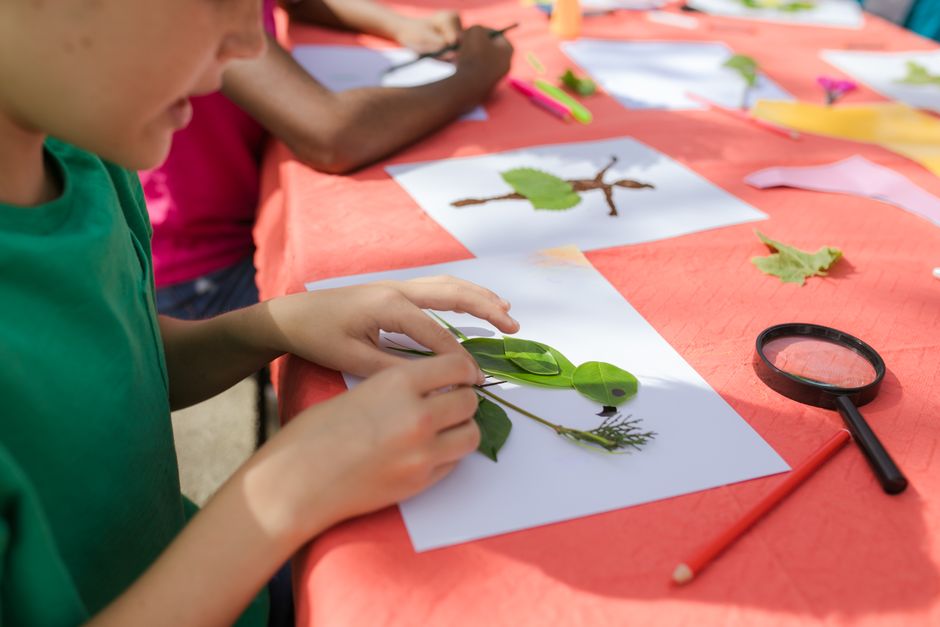
Have your child carefully arrange their collected treasures inside the clear jar. Encourage them to take the lead in deciding how to layer the items, highlight textures, and tell their fall story. If they wish to secure items, offer assistance with glue or tape. Emphasize that this is their artistic expression, and there's no single "right" way. Encourage creativity and problem-solving if an item doesn't fit as imagined. Ask them:
"What part are you enjoying most about putting this together?"
"How does this arrangement make you feel about fall?"
Done: Child has completed arranging the natural items inside their Fall Wonder Jar.
Done when: Student has completed arranging the natural items inside their Fall Wonder Jar.

5Summary 2 min
Celebrate your child's effort and the unique 'Fall Wonder Jar' they created, acknowledging their artistic expression and observations. Ask them reflective questions:
"What was your favorite part of making your Fall Wonder Jar?"
"What's one new thing you learned about autumn or seasonal changes today?"
Connect their creation to the real world by explaining: 'This jar is like a tiny ecosystem, showing how nature adapts to the seasons!'
Done: Child shares one key takeaway or thought about their creation or learning.
Done when: Student shares one key takeaway or thought about their creation or learning.
Beyond The Spark
Fuel their curiosity beyond the Spark with bonus extras.
Table Talk
Understanding seasonal changes helps farmers know when to plant and harvest, and scientists study how these patterns affect animals and the environment.
Challenge
Write a short poem or story inspired by your Fall Wonder Jar, or add a small battery-operated fairy light inside to make it glow like a lantern.
Quick Recap Quiz 4 min
Customize this quiz, add questions, or follow your child's lead! Each question has a 'Parent Tip' to help them find the answer without giving it away.
1. What causes the Earth to have different seasons, like fall?
- The Earth moves closer to and further from the sun.
- The Earth is tilted on its axis as it orbits the sun.
Remind them about the Earth's 'lean' as it goes around the sun, not how close it gets.
2. Which of these is a seasonal change we often see in autumn?
- Leaves on trees change color and fall off.
- It rains heavily for one afternoon.
Help them differentiate between a single weather event and a long-term, predictable pattern.
3. If you saw animals gathering extra food, what seasonal change might they be preparing for?
- A very hot summer.
- The colder winter months ahead.
Discuss how animals instinctively react to the decreasing food supply and colder temperatures of approaching winter.
4. Your Fall Wonder Jar shows the beauty of autumn. What does 'autumn' mean in terms of the yearly cycle?
- The season between summer and winter.
- The warmest season of the year.
Review the order of the seasons and their general characteristics.
Loved This Spark?
Scan to jump into the app and explore similar Sparks in our Sparks Hub. New to Mai? Start free with 10 Sparks, no credit card needed.