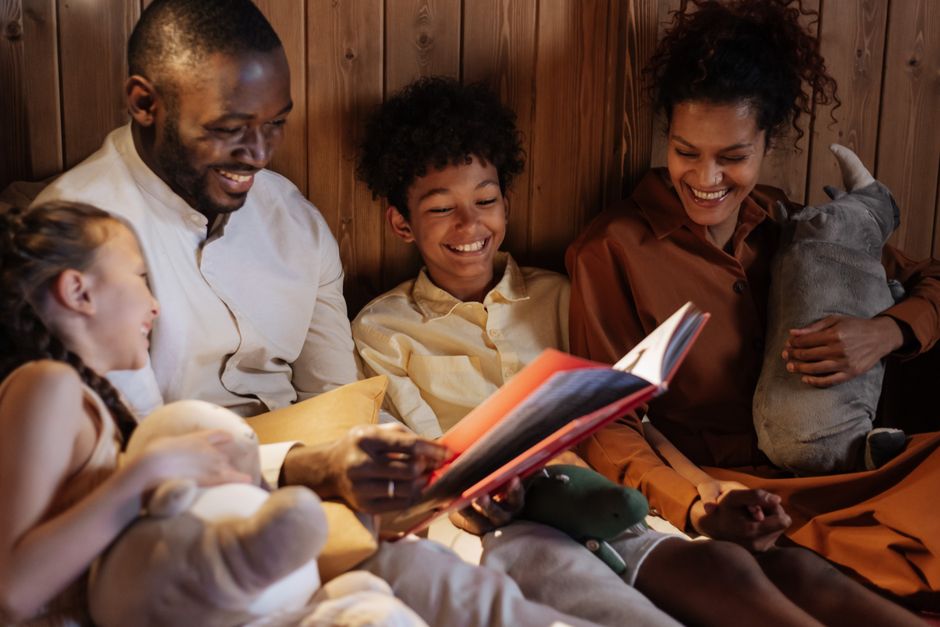
Make Your Family Film
Unleash your inner filmmaker by creating a short documentary about your own family's unique history and personal stories. This hands-on challenge guides you through planning, shooting, and reflecting on the art of capturing real life and preserving memories.
Our goal: In this spark, your learner will plan a simple documentary film concept by identifying a subject and key questions, capture basic video footage and audio using available technology (e.g., a smartphone) and collaborate effectively with family members to achieve a shared creative goal.
What You Need
Smartphone Or Tablet • Paper • Pen Or Pencil
and this is just the baseline.
Scan to jump into the app and easily personalize this Spark to match your child's exact learning level and see how Mai will guide this lesson.
Learning Guide
A simple guide to lead you through the kickoff, the core challenge, and everything in between.
Mai’s Tips
- Encourage everyone, regardless of age, to participate in some capacity—even if it's just being the 'star' of the interview or holding a prop. Collaboration is key!
- Focus on the process, not perfection. The goal is to explore storytelling and technology, not to create a Hollywood masterpiece. Celebrate every attempt and learning moment.
1Introduction 5 min
Introduce the idea of a documentary. A documentary is a film that tells a true story about real people or events, not a made-up story like a cartoon or action movie. Documentaries help us learn about real life and preserve memories. Ask: "Have you ever seen a movie that tells a true story about real people or events? What kinds of true stories do you think a film could tell?" Connect this to your family's history: "What's a family story that always makes us smile, or one that someone new to our family might want to hear?" The stage is done when your child understands what a documentary is and offers an idea of a family story.
Done when: Student shows understanding of what a documentary is and offers an idea of a family story.

2Explore & Plan 8 min
Facilitate a brainstorming session for your documentary's subject. Gather paper and pens or pencils. Ask: "Whose story will we tell today? Will it be about a funny family tradition, a grandparent's childhood memory, or maybe even your pet's daily adventures?" Help them jot down ideas (or draw pictures for younger children). Guide them to think of questions to ask their subject. Ask: "What questions could we ask to help uncover the best parts of that story?" Discuss roles for your film crew: "Who wants to be the director, asking questions? Who will operate the camera?" The stage is done when you have a chosen subject and initial ideas or questions brainstormed.
Done when: The family has chosen a documentary subject and brainstormed initial ideas or questions.

3Discussion 6 min
Discuss basic filmmaking elements to make your film look and sound good. Ask: "How can we make sure our interview subject is easy to see? What about the background or the light?" Guide them to think about good lighting and a clear background. Ask: "How can we make sure their voice is easy to hear?" Guide them to consider a quiet space and speaking clearly. Ask: "What will be the most important thing to film to tell this story?" The stage is done when your child can name one or two key elements for clear filming, like good lighting or clear sound.
Done when: Student can articulate one or two key elements for clear filming (e.g., good lighting, clear sound).
4Activity 9 min
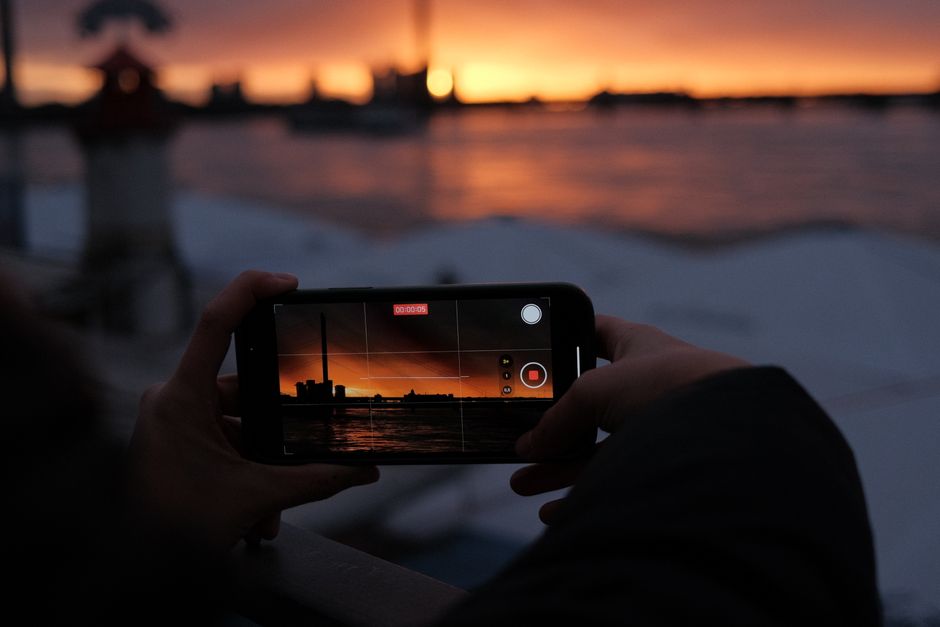
It's time to film! Grab your smartphone or tablet. Help set up the shot: check lighting and background to make sure your subject is easy to see. Supervise the filming process. Prompt the interviewer with questions if they get stuck, and ensure the camera operator keeps the subject in frame. Encourage playful experimentation with different angles or asking follow-up questions. For younger children, let them be the 'star' or hold a prop. For older children, challenge them to think about different camera angles. Ensure devices are handled carefully. The stage is done when you have filmed at least one short interview clip or scene about your chosen family story.
Done when: Student has filmed at least one short interview clip or scene related to their chosen family story.

5Summary 2 min
Watch a short clip of the footage you just filmed together. Celebrate their effort and creativity in taking the first steps to make a family documentary. Ask: "What was the most surprising thing you learned while making your film?" Also ask: "What did you enjoy most about capturing our family story?" Emphasize the value of preserving family memories through film. The stage is done when your child shares one key takeaway or reflection about the filmmaking process or their family story.
Done when: Student shares one key takeaway or reflection about the filmmaking process or their family story.
Beyond The Spark
Fuel their curiosity beyond the Spark with bonus extras.
Table Talk
Documentary filmmakers use their skills to share important stories, preserve history, and bring awareness to diverse experiences around the world.
Challenge
Turn your footage into a short edited film! Use a simple editing app on your phone or tablet to combine clips, add music, and create a title sequence. Share it with extended family!
Quick Recap Quiz 4 min
Customize this quiz, add questions, or follow your child's lead! Each question has a 'Parent Tip' to help them find the answer without giving it away.
1. What is the main goal of a documentary film?
- To make up a fun, imaginary story
- To tell a true story about real life
Remind them that documentaries are always about real people and events.
2. Why is it helpful to plan your documentary before you start filming?
- It helps you decide what stories to capture and what questions to ask
- It makes the filming process much longer and harder
Ask what might happen if they just started filming without any ideas.
3. When filming an interview, what is important for the audience to experience?
- Fast camera movements and loud background noise
- Clear visuals of the person and easy-to-hear sound of their voice
Discuss how hard it is to watch a video if you can't see or hear well.
4. What important skill do you practice when you make a documentary with your family?
- Working together and listening to each other's ideas
- Making all the decisions by yourself without asking for help
Emphasize how many different roles and ideas go into making a film.
Loved This Spark?
Scan to jump into the app and explore similar Sparks in our Sparks Hub. New to Mai? Start free with 10 Sparks, no credit card needed.