Make Super Snacks!
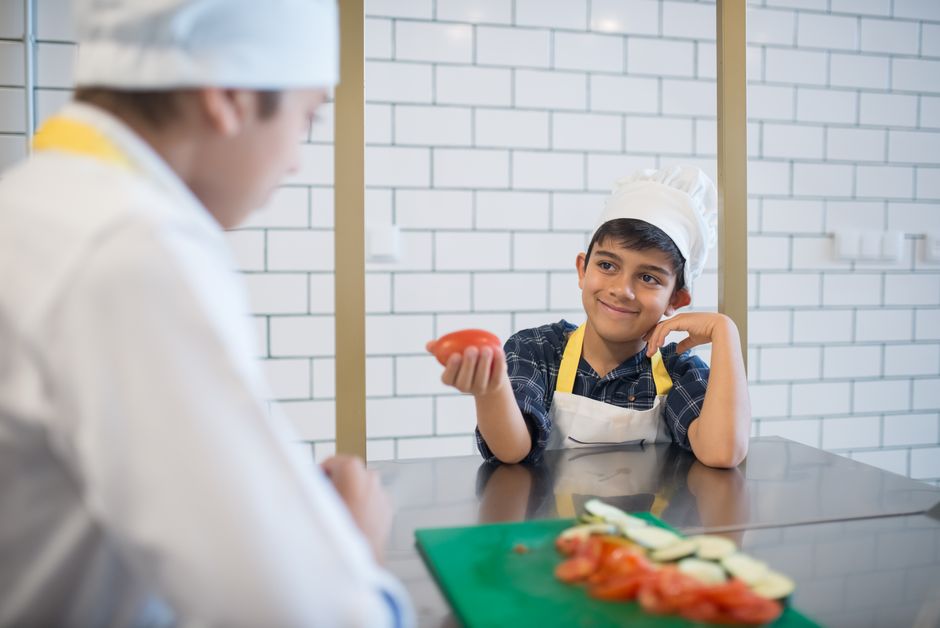
This challenge guides young learners to independently prepare a simple, healthy snack using real ingredients. It encourages decision-making, following steps, and enjoying their culinary creation.
Our goal: In this spark, your learner will identify ingredients needed for a simple snack, follow sequential steps to prepare a healthy snack and practice safe and independent food preparation skills.
What You Need
Banana • Berries • Melon • Wooden Skewers • Plate
and this is just the baseline.
Scan to jump into the app and easily personalize this Spark to match your child's exact learning level and see how Mai will guide this lesson.
Learning Guide
A simple guide to lead you through the kickoff, the core challenge, and everything in between.
Mai’s Tips
- Pre-cut all fruits beforehand to make the activity safer and more accessible for young children, focusing their energy on selection and assembly.
- Encourage the child to wash their hands thoroughly before starting, reinforcing good hygiene habits in a playful way.
Prep Before Session 15 min
- Choose 3-5 types of colorful fruits (e.g., berries, melon, banana, kiwi).
- Wash all chosen fruits thoroughly.
- Carefully cut larger fruits into bite-sized pieces suitable for skewering.
- Gather a small bowl for each type of cut fruit.
- Place wooden skewers in a safe, accessible container.
- Set up a clean, designated snack-making area for the lesson.
1Introduction 5 min
Start by engaging your child in the idea of being a "snack maker" for this special challenge. Explain that today, they get to be in charge of making their own delicious treat. Ask them to share their excitement and ideas about yummy snacks.
Guiding questions:
"Are you excited to be a snack maker today?"
"What kind of snacks do you think are super yummy?"
Vocabulary:
No specific new terms to introduce.
Done: Your child expresses enthusiasm for making a snack and names a favorite snack.
Know Before You Teach
- Good to know: Children aged 4-5 enjoy pretend play and taking on special roles, like being a 'snack maker.'
- Asking open-ended questions helps children express their thoughts and feelings about food.
- If they ask: Can I make cookies instead? Today we are making fruit skewers, but maybe another day we can bake cookies!
- It's working when: Your child smiling, pointing to their mouth, or making 'yummy' sounds.
- If they're stuck: Show a picture of a colorful fruit skewer to spark their imagination about tasty treats.
- Harder: Ask them to describe why their favorite snack is yummy (e.g., 'Is it sweet, crunchy, or soft?').
Done when: Student expresses enthusiasm for making a snack and names a favorite snack.

2Explore & Plan 8 min
Guide your child to the designated snack area where you have pre-cut fruits and wooden skewers ready. Help them explore these materials, naming what they see and thinking about how they will be used.
Guiding questions:
"What colors do you see in these fruits?"
"Which fruits do you want to use for your snack today?"
"How will we get the fruit onto the stick?"
Vocabulary:
A 'skewer' is a long, thin stick used to hold pieces of food together. It helps us make a yummy fruit stick!
Done: Your child has identified the materials and can describe how they will put the fruit on the skewer.
Know Before You Teach
- Good to know: Identifying colors and shapes helps young children connect words to real-world objects and build vocabulary.
- If they ask: Can I eat one now? Not yet, we need to make our special snack first, then we can enjoy it!
- It's working when: Your child pointing to different fruits and saying their names or colors.
- If they're stuck: Hold up two different fruits and ask, 'Which of these two do you want to choose first?'
- Harder: Ask the child to guess which fruit might be sweet and which might be a little sour.
Done when: Student has identified the materials for the snack and can articulate a simple plan.

3Discussion 6 min
Lead a discussion focusing on the health benefits of the fruits and the importance of planning. Use open-ended questions to encourage their understanding of why these choices are good.
Guiding questions:
"Why do you think eating colorful fruits is good for our bodies?"
"What makes these fruits healthy foods?"
"Why do you think it was a good idea to plan our snack before we started making it?"
Vocabulary:
'Healthy food' is food that gives our body energy and helps us grow big and strong. 'Planning' means thinking ahead about what we want to do and how we will do it.
Done: Your child can explain in simple terms why healthy food is beneficial and why planning is helpful.
Know Before You Teach
- Good to know: Planning helps us think through steps before we start, which can prevent mistakes and make tasks smoother.
- It's working when: Your child nodding or using words like 'strong' or 'grow' when talking about healthy food.
- If they're stuck: Rephrase the question: 'Do you think a banana helps your muscles or makes you sleepy?'
- Easier: Only ask about one benefit: 'Why is eating an apple good for you?'
- Harder: Ask them to think of one other food that is healthy and one that is not as healthy.
Done when: Student can explain the core concept of healthy food choices in simple terms.
4Activity 9 min
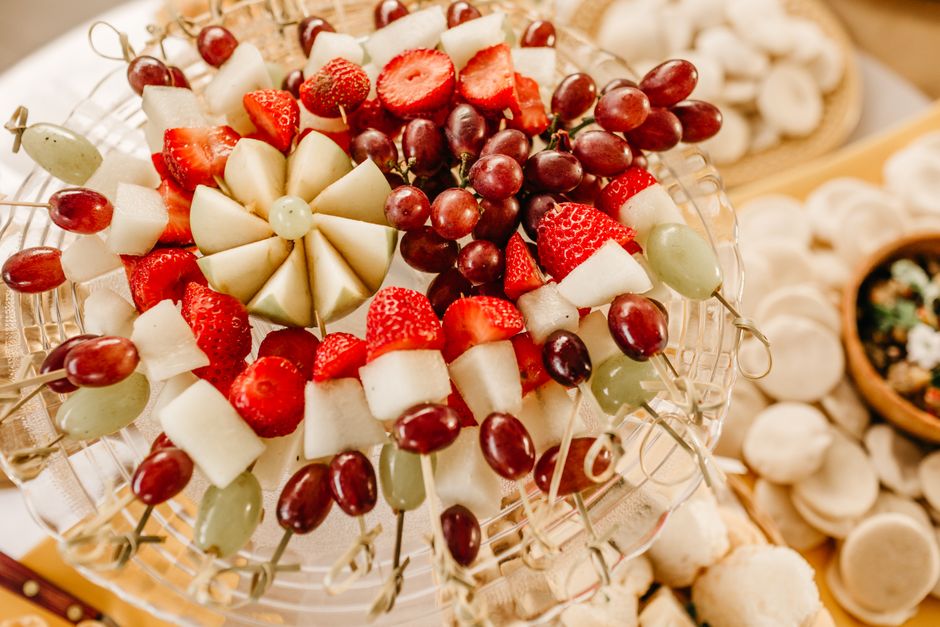
Closely supervise your child while allowing them to lead the process of creating their fruit skewer. Encourage their independence in choosing fruits and their order. Remind them to be careful with the skewer tips and celebrate their progress.
Guiding questions:
"Which piece of fruit will you choose next for your skewer?"
"Why did you choose that color fruit to go there?"
"What a creative way to arrange your fruits!"
Vocabulary:
No new terms.
Done: Your child has successfully assembled their fruit skewer(s).
Know Before You Teach
- Good to know: Allowing children to choose and arrange items fosters a sense of control, independence, and creativity.
- Using wooden skewers helps develop hand-eye coordination and strengthen small muscles in their hands.
- If they ask: Can I put all the red ones together? Yes, that's a great idea! You can arrange them however you like.
- It's working when: Your child carefully pushing fruit onto the skewer or making deliberate choices about fruit order.
- If they're stuck: Demonstrate putting one piece of fruit on a skewer yourself, then hand it to them to try the next.
- Easier: Have fewer fruit choices available (e.g., only two types of fruit).
- Harder: Ask them to create a pattern with the fruit colors or shapes on the skewer.
Done when: Student has completed the physical activity of assembling their fruit skewers.
5Summary 2 min
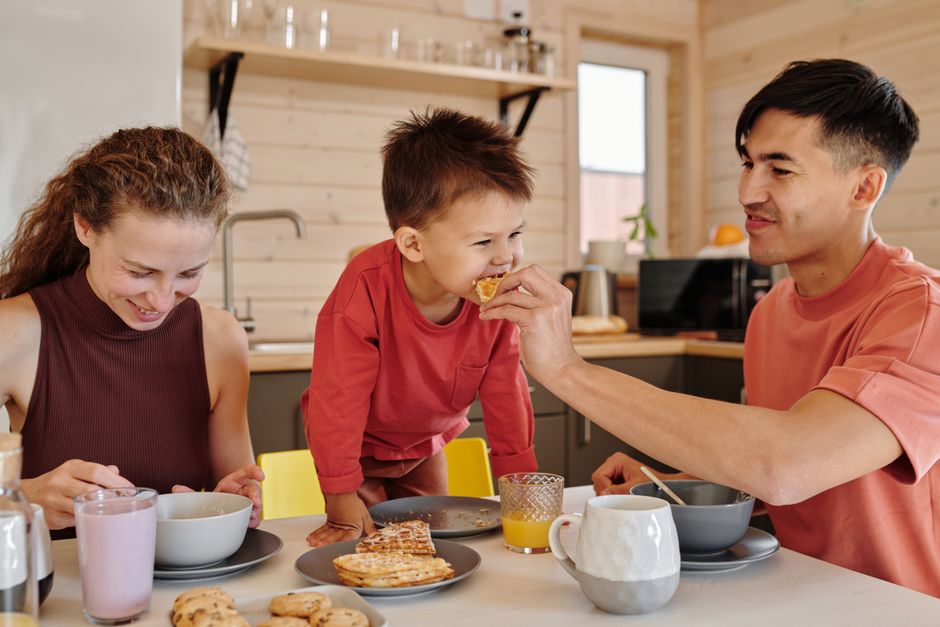
Celebrate your child's achievement and effort in making their own snack. Use open-ended questions to encourage reflection on their experience and what they learned. Encourage them to enjoy their delicious, healthy creation.
Guiding questions:
"How does it feel to make something so delicious all by yourself?"
"What was your favorite part of being a super snack maker today?"
"What did you learn about making healthy snacks?"
Vocabulary:
No new terms.
Done: Your child shares a key takeaway or a favorite part of the activity, and enjoys their snack.
Know Before You Teach
- Good to know: Reflecting on an activity helps solidify learning and builds confidence in a child's abilities.
- Connecting their effort to a positive outcome (eating a delicious snack) reinforces the value of their work.
- If they ask: Can we do this again tomorrow? Maybe! We can definitely make more super snacks another day.
- It's working when: Your child taking a bite of their snack with a happy expression or explaining what they liked best.
- If they're stuck: Remind them of a specific moment: 'Remember when you picked out all the blue blueberries? Was that fun?'
- Easier: Simply ask, 'What was your favorite part?' and accept a one-word answer.
- Harder: Ask them what they might do differently next time if they were to make another super snack.
Done when: Student shares one key takeaway or a favorite part of the activity.
Beyond The Spark
Fuel their curiosity beyond the Spark with bonus extras.
Table Talk
Chefs and nutritionists create delicious and healthy food for people every day!
Challenge
Can you try to make another skewer, but this time, make a pattern with the colors of the fruit?
Quick Recap Quiz 4 min
Customize this quiz, add questions, or follow your child's lead! Each question has a 'Parent Tip' to help them find the answer without giving it away.
1. What did you use to put your snack together today?
- Toys
- A skewer and fruit
Remind them of the materials used in the activity. What did we hold in our hand?
2. Is it good to eat lots of candy for a snack?
- No, fruit is better for energy
- Yes, candy is super yummy
Ask about what makes us strong and healthy. What foods give us 'go' power?
3. Who decided which fruits went on your skewer?
- Mai told me
- I chose them myself
Remind them that they were the chef and made the choices.
4. Why do we make healthy snacks?
- To help our bodies grow strong and have energy
- To make a big mess in the kitchen
What was the good result of eating our snack? How did it make us feel?
Loved This Spark?
Scan to jump into the app and explore similar Sparks in our Sparks Hub. New to Mai? Start free with 10 Sparks, no credit card needed.