
Lights on the Longest Night
Uncover the science behind long winter nights by modeling Earth's tilt, then explore how families around the world light up the darkest season. Finish by making a paper lantern of your own.
Our goal: Learners will understand why winter days are short and nights are long by exploring Earth's tilt. They will also discover how different cultures celebrate the darkest season with unique light traditions and create their own lantern.
What You Need
Flashlight • Foam ball or globe • Small sticker • Paper • Scissors • Glue or tape • Coloring supplies • String or yarn • Printable worksheet • Darkened room
and this is just the baseline.
Scan to jump into the app and easily personalize this Spark to match your child's exact learning level and see how Mai will guide this lesson.
Learning Guide
A simple guide to lead you through the kickoff, the core challenge, and everything in between.
Mai’s Tips
- Safety first: Clear the floor before you dim the room for the Earth model. A grown-up handles scissors with young children. The paper lantern is for decoration only: never put a real candle or flame inside it.
- Core concept: The heart of this Spark is that Earth's tilt, not its distance from the Sun, causes the seasons and the changing length of days. The flashlight and ball model shows this, so make the tilt easy to see.
- Misconception alert: Children often think winter is colder because Earth is farther from the Sun. The model in Stage 2 shows that the distance stays about the same while the tilt changes how directly the light falls.
- Simplify for younger learners: For ages 4-6, focus on the observation: 'See how this part gets less light?' and the simple idea of 'long night, then light returns.' For the traditions, pick one detail from each: pomegranates, candles and rice balls.
- Enhance for older learners: Challenge ages 7-12 to explain why the tilt changes how directly sunlight falls. Talk about why St. Lucia Day (December 13) is close to the solstice but not on it.
1Introduction 3 min
Open the Spark with the question below. Listen to your child's ideas and welcome any guesses about the seasons and the light.
Know Before You Teach
- Good to know: The Winter Solstice marks the shortest day and longest night of the year in the Northern Hemisphere, usually around December 21st.
- Many cultures around the world have celebrations of light and community during this dark period.
- If they ask: Does this happen everywhere? No, it happens in the Northern Hemisphere. In the Southern Hemisphere, they're having their longest day in December!
- It's working when: Child shows curiosity about seasonal changes or asks 'why' questions.
- If they're stuck: If they don't have ideas, offer an observation: 'Have you noticed how dark it gets so early now?'
- Easier: Ask if they notice how much earlier it gets dark now compared to summer.
- Harder: Ask them to hypothesize why the days get shorter in winter.
Done when: Student has offered initial thoughts and questions about the longest night and celebrations of light.
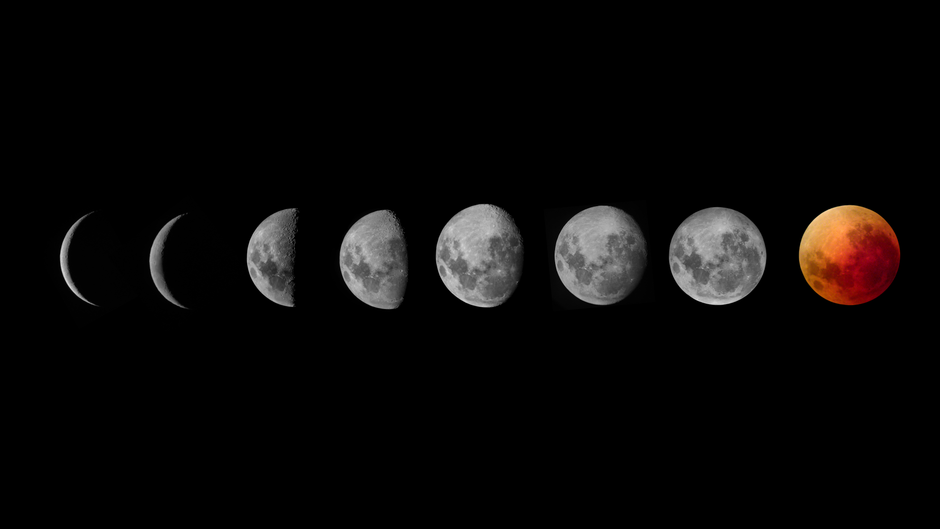
2Explore & Plan 8 min
Build a model of Earth and the Sun. Dim the room. The flashlight is the Sun and the ball is Earth. Put a sticker on the ball for your home. Tilt the top of the ball a little toward one corner of the room. Spin the ball slowly. How long does your sticker stay in the dark?
Now walk the ball in a big circle around the flashlight. Keep the ball tilted toward the same corner of the room as you walk around the flashlight. Stop on the side where the top of the ball leans away from the light. That is winter in the Northern Hemisphere. Spin again and watch your sticker.
Finish with the tilted-Earth diagram on the worksheet: label the part that gets less direct light.
Know Before You Teach
- Good to know: The Earth is tilted on its axis, about 23.5 degrees.
- When the Northern Hemisphere is tilted away from the sun, it receives less direct sunlight, resulting in shorter days and longer nights (winter).
- If they ask: Is the Earth closer to the sun in summer? No, the Earth's orbit is almost a circle, so its distance from the sun doesn't change much. It's the tilt that matters!
- If they ask: What's the 'Northern Hemisphere'? It's the half of Earth north of the equator. All 50 states are in it.
- Key words: Winter Solstice: The shortest day and longest night of the year in one half of the Earth.
- Key words: Tilt: When something is leaning or angled, not standing straight up.
- It's working when: Child can articulate that the tilt changes how much direct light hits the Northern Hemisphere.
- If they're stuck: Guide their hands to tilt the ball and watch the sticker. Ask, 'Where is the light brightest? Where is it darkest?'
- Easier: Focus on simply observing that when the top of the ball (Northern Hemisphere) is tilted away, it gets less light.
- Harder: Ask them to explain how direct vs. indirect sunlight affects the amount of heat and light received, and how this relates to temperature.
Done when: Student has seen their sticker stay in the dark longer when the top of the ball leans away from the light, and has labeled the diagram with help.

3Discussion 8 min
Read the comic together. Then talk about two words: a tradition is a custom passed down over time, and a culture is a group's shared way of life. Talk about the three celebrations in the comic: Yalda Night in Iran, St. Lucia Day in Sweden and the Dongzhi Festival in China. Help your child mark Iran, Sweden and China on the worksheet map.
- What do these celebrations have in common?
- Which one would you like to try, and why?
Know Before You Teach
- Good to know: Yalda Night is celebrated in Iran and nearby countries on the longest night, December 20 or 21. Families eat red fruits like pomegranates and watermelon, read poetry and stay up late together.
- St. Lucia Day is celebrated in Sweden on December 13. The child playing Lucia wears a crown of candles, often battery-powered today. A procession sings and shares saffron buns.
- The Dongzhi Festival is celebrated in China and East Asia around December 21 to 23. Families eat together and share tangyuan, rice-ball dumplings.
- After the winter solstice, days start getting longer again. Many cultures mark this turning point with light, special foods and family time.
- If they ask: Why December 13 for St. Lucia Day, not exactly the 21st? In the old calendar Sweden used hundreds of years ago, December 13 was the longest night of the year. The calendar changed, but St. Lucia Day kept its date.
- If they ask: Are these religious holidays? Some have religious connections, others are more cultural. They all share the theme of light during winter.
- It's working when: Child identifies a common theme (light, hope, family) across different celebrations.
- If they're stuck: Turn back to the comic and ask, 'What do the people in each home do with light?'
- Easier: Focus on the most visually striking detail of each celebration (e.g., candles for St. Lucia, red fruits for Yalda).
- Harder: Discuss how these traditions might have evolved from ancient observations of the sun and seasons.
Done when: Student can name one celebration from the comic and say how it brings light, hope or togetherness. They have marked at least one country on the map.
4Activity 7 min
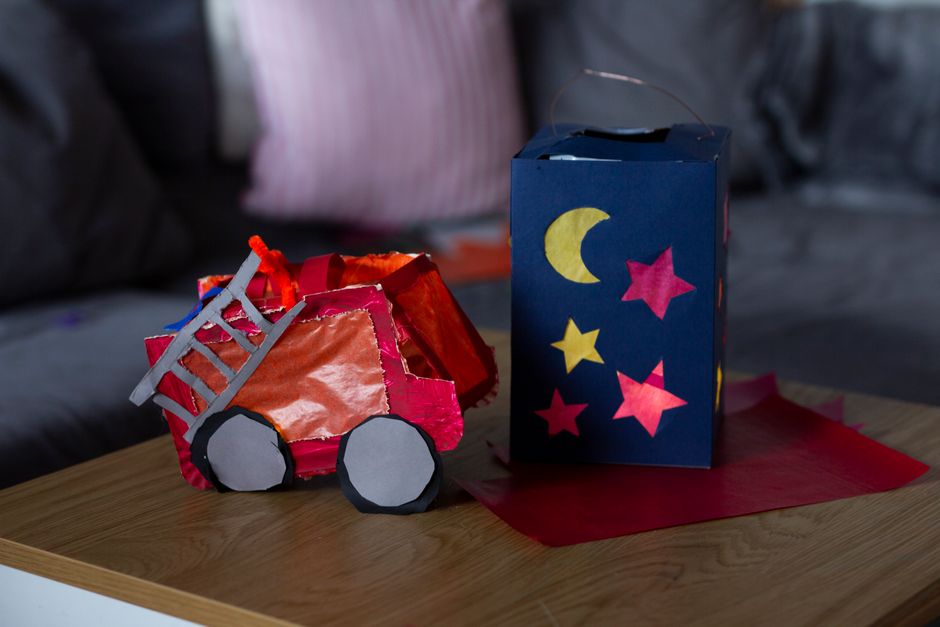
Help your child make their paper lantern. Encourage them to connect its design to the celebrations in the comic.
Know Before You Teach
- Good to know: Creating objects like lanterns is a way to embody the themes of light and hope. While these lanterns won't hold real flames, they are symbols.
- If they ask: Can I put a real candle in it? No, paper lanterns are for decoration only. Real candles can be very dangerous with paper!
- It's working when: Child decorates the lantern with symbols or colors about light, winter or the celebrations.
- If they're stuck: Suggest drawing specific things they remember from the celebrations, like pomegranates or stars.
- Easier: Provide pre-cut shapes or stickers for decoration, or a simpler template.
- Harder: Challenge them to design a unique pattern for their lantern that tells a story about light.
Done when: Student has completed decorating and assembling their paper lantern.

5Summary 4 min
Wrap up the Spark with two reflection questions. Let your child connect what they learned to their own family.
Know Before You Teach
- Good to know: Reflecting on new information helps solidify learning.
- Connecting new knowledge to personal preferences or experiences makes it more meaningful.
- If they ask: What's your favorite celebration? You can share your own preference and why, or express appreciation for all of them as ways to connect people.
- It's working when: Child can articulate at least one new fact or idea they learned.
- If they're stuck: Remind them of the Earth model or one of the celebrations and ask, 'What was interesting about that?'
- Easier: Ask 'What was your favorite part of making the lantern?'
- Harder: Ask 'How do these traditions help people feel connected even if they are far apart?'
Done when: Student shares a key takeaway or expresses a preference for one of the traditions and explains why.
Beyond The Spark
Fuel their curiosity beyond the Spark with bonus extras.
Table Talk
Understanding celestial mechanics helps us predict seasons and appreciate the diverse ways humanity marks time and celebrates hope.
Did You Know?
Did you know Earth is actually closest to the Sun in January, during the Northern Hemisphere's winter?
Challenge
Research another winter light celebration from anywhere in the world and add it to your map, drawing a small symbol to represent it.
Quick Recap Quiz 4 min
Customize this quiz, add questions, or follow your child's lead! Each question has a 'Parent Tip' to help them find the answer without giving it away.
1. What causes winter nights to be longer in the Northern Hemisphere?
- Earth is farther from the sun.
- Earth's tilt makes sunlight less direct.
Think back to the sticker on the spinning ball. What changed, and what stayed the same?
2. Which of these is a winter light celebration?
- Yalda Night
- Halloween
Look back at the three homes in the comic, or the places you marked on the map.
3. What is a common theme in winter light celebrations?
- Welcoming the first snow of the year.
- Bringing hope and light to dark times.
Think about why people light candles or gather for feasts during the darkest part of the year.
4. If you wanted to see the shortest day and longest night in the Northern Hemisphere, when would you look?
- Around December 21st
- Around June 21st
Remember the term 'winter solstice' and the general time of year it happens.
Loved This Spark?
Scan to jump into the app and explore similar Sparks in our Sparks Hub. New to Mai? Start free with 10 Sparks, no credit card needed.