
Household pH Secrets
This challenge tasks young scientists with creating a natural pH indicator from red cabbage to test various household liquids. They will classify liquids as acids or bases based on observed color changes. This hands-on activity encourages critical thinking and real-world scientific investigation.
Our goal: In this spark, your learner will identify acids and bases using a natural indicator, understand how a pH indicator works to reveal chemical properties, conduct a simple, multi-step chemical experiment safely and accurately and apply scientific observation and prediction skills to real-world substances.
What You Need
Red Cabbage • Water • Clear Cups • Spoon • Knife • Cutting Board • Pot • Strainer • Bowl • Lemon Juice • Vinegar • Baking Soda • Liquid Dish Soap • Hot water
and this is just the baseline.
Scan to jump into the app and easily personalize this Spark to match your child's exact learning level and see how Mai will guide this lesson.
Learning Guide
A simple guide to lead you through the kickoff, the core challenge, and everything in between.
Mai’s Tips
- Safety first! Remind the learner that while these are common household items, some can be irritating. Always supervise and ensure they don't taste or touch unknown substances directly.
- Encourage verbalizing observations. Ask 'What do you see happening?' or 'How is this color different from that one?' to help them articulate their scientific findings.
1Introduction 5 min
Begin by sparking their curiosity about everyday liquids. Ask them about the 'secret nature' of liquids and if they've noticed any differences between common ones. For example, ask if they've noticed how some liquids taste or feel (remind them not to taste or smell unknown substances). Introduce the idea of 'properties' as the special qualities a liquid has, like how it tastes or feels. Knowing a liquid's properties helps us understand it better.
Ask them:
"What do you think 'secret nature' might mean for liquids?"
"Have you noticed any differences between common liquids, like how they taste, feel, or smell?"
Done when the child shows curiosity and has discussed different liquid properties.
Done when: Student shows curiosity about the topic and has discussed liquid properties.
2Explore & Plan 8 min
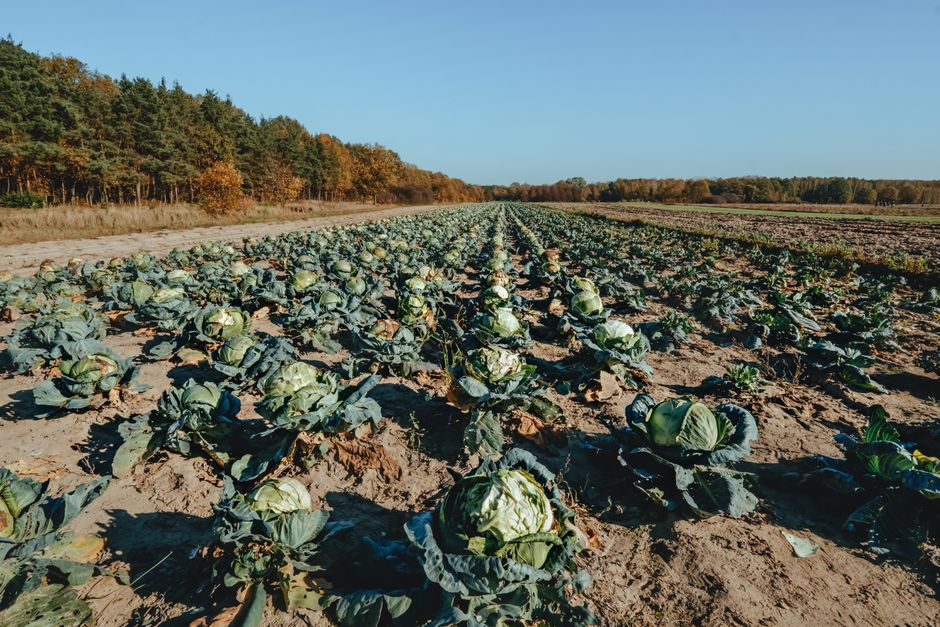
Help the child safely begin preparing the red cabbage indicator liquid. Use a knife and cutting board to shred about 1/4 of a red cabbage. Place the shredded cabbage in a heat-safe bowl or pitcher and carefully pour 2 cups of very hot (but not boiling) water over it. Let it steep for 10-15 minutes while you choose liquids. Next, guide them in selecting 3-5 household liquids to test, such as lemon juice, vinegar, a baking soda solution (mix a spoonful with water), soapy water (mix a few drops with water), or plain tap water. Remind them firmly not to taste or touch any unknown substances. For each chosen liquid, have them predict if it will be acidic (sour), basic (slippery), or neutral (like plain water).
Ask them:
"Which liquids around the house do you think we should test today?"
"For each liquid, do you predict it will be sour (acidic), slippery (basic), or neutral?"
Done when the child has started steeping the cabbage, chosen liquids to test, and made predictions for each.
Done when: Student has gathered materials, chosen liquids to test, and made predictions.

3Discussion 6 min
Encourage the child to explain their understanding of how the red cabbage indicator works and what acids and bases are. An 'indicator' is a special substance, like our red cabbage liquid, that changes color to show us a hidden property, such as if something is an acid or a base. It indicates something. Prompt them to think about what colors they expect to see and what those colors might tell us about the liquid's properties.
Ask them:
"How do you think our red cabbage liquid will help us discover the 'secret nature' of these liquids?"
"What do you think 'acid' or 'base' might mean?"
"What colors do you expect to see, and what will those colors tell us about the liquid's properties?"
Done when the child can explain the core concept of an indicator and the purpose of testing pH in their own words.
Done when: Student can explain the core concept of an indicator and the purpose of testing pH in their own words.
4Activity 9 min
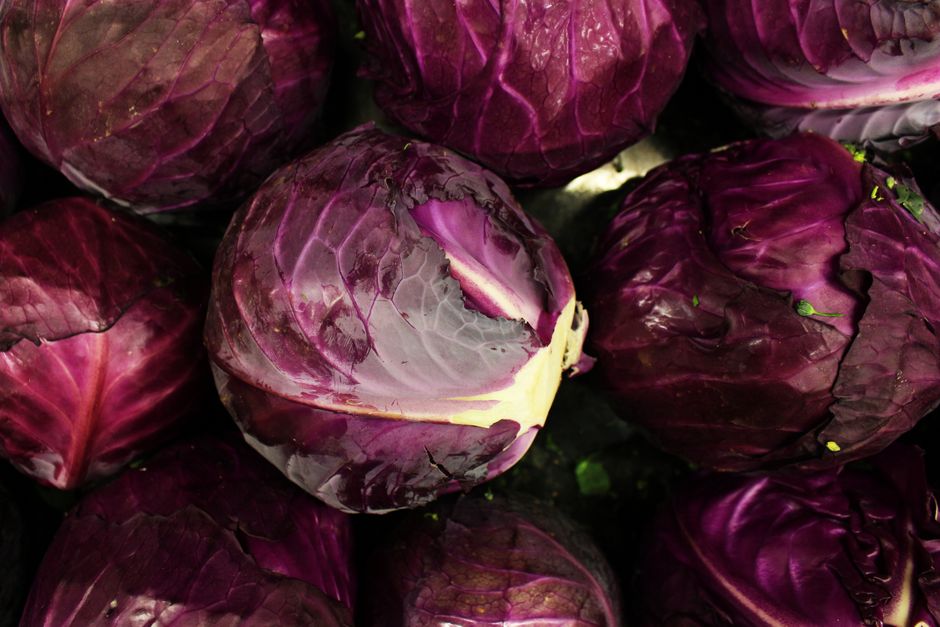
Now, strain the steeped red cabbage liquid into a clean container – this is your pH indicator! Gather 4-6 small, clear cups. Pour a small amount (about 2 tablespoons) of the red cabbage indicator into each cup. Take each chosen household liquid and add a few drops to a separate cup of indicator. Supervise all pouring, especially with hot water if the indicator is still warm. Ensure separate cups are used for each test. Encourage careful observation of the color changes and have them record what they see, even if just verbally. Remind them to be gentle with mixing and to clean up any spills immediately. Based on the colors (red/pink for acid, blue/green for base, purple for neutral), have them classify each liquid.
Ask them:
"What color changes do you see happening in this cup?"
"How is this color different from the others?"
Done when the child has completed making the indicator and testing all selected liquids.
Done when: Student has completed the physical activity of making the indicator and testing the liquids.

5Summary 2 min
Praise their efforts and discoveries as a pH investigator! Ask them to reflect on what they found. 'Acids and bases' are the two main categories of liquids they found using the indicator, and knowing them helps us understand how things work around us. Discuss where they might encounter acids or bases in daily life, such as lemon juice in cooking, soap for cleaning, or antacids for upset stomachs.
Ask them:
"What did you discover about your chosen liquids?"
"What was the most surprising color change you saw today?"
"How do you think knowing whether something is an acid or a base might be useful in real life?"
Done when the child shares one key takeaway or a surprising observation from the experiment.
Done when: Student shares one key takeaway or a surprising observation from the experiment.
Beyond The Spark
Fuel their curiosity beyond the Spark with bonus extras.
Table Talk
Environmental scientists use pH indicators to test the acidity of soil and water, which is crucial for healthy plant growth and aquatic life.
Challenge
Try to 'neutralize' an acid with a base (or vice-versa) by slowly adding small amounts of one liquid to a tested liquid until the indicator changes back towards purple. Can you make a red liquid turn purple again?
Quick Recap Quiz 4 min
Customize this quiz, add questions, or follow your child's lead! Each question has a 'Parent Tip' to help them find the answer without giving it away.
1. What does a red cabbage indicator help us find out about liquids?
- If they are sweet or salty
- If they are acids or bases
Remind them of the challenge's goal: uncovering the 'secret nature' of liquids, not just taste.
2. If the red cabbage indicator turns bright pink or red, what does that mean the liquid is?
- An acid
- A base
Refer back to their observations during the activity, or common examples like lemon juice being an acid.
3. You tested a liquid, and the indicator turned green. What can you conclude about that liquid?
- It is neutral like water
- It is a base
Help them recall the color changes: pink/red for acid, green/blue for base, purple for neutral.
4. Why is it important to know if something is an acid or a base in real life?
- It helps us use them safely and effectively in cooking and cleaning.
- It helps us guess what color they will be before we see them.
Encourage them to think about practical uses they discussed in the summary.
Loved This Spark?
Scan to jump into the app and explore similar Sparks in our Sparks Hub. New to Mai? Start free with 10 Sparks, no credit card needed.