
Hanukkah: A Light's Quest
Embark on a story adventure to uncover the inspiring history of Hanukkah, the Festival of Lights. Discover how ancient heroes showed incredible courage and resilience, and what a tiny flicker of light can teach us about hope and miracles.
Our goal: Learners will understand the historical events and brave figures behind Hanukkah, recognizing how courage and resilience helped overcome challenges. They will reflect on the powerful messages of hope and dedication that a small light can represent, even in difficult times.
What You Need
Paper • Pencils
and this is just the baseline.
Scan to jump into the app and easily personalize this Spark to match your child's exact learning level and see how Mai will guide this lesson.
Learning Guide
A simple guide to lead you through the kickoff, the core challenge, and everything in between.
Mai’s Tips
- Connection point: The Hanukkah story is rich with universal themes. Encourage children to connect the Maccabees' struggles and resilience to challenges they might face, whether it's a difficult puzzle or a big change in their lives. This personal connection makes the story more meaningful.
- Storytelling focus: The aim is not a historical lecture. Focus on the emotional journey, the acts of courage, and the symbolism of light and resilience. If a child gets bogged down in dates or names, gently steer back to the 'why' of their actions and feelings.
- Concept definition: When defining 'resilience,' have the child come up with their own examples before you offer yours. This shows you where their thinking is and helps you tailor the explanation. If they struggle, offer simple, relatable scenarios like 'learning to ride a bike' or 'building a tall tower that keeps falling down'.
1The Spark of Hope 5 min
Find a quiet, comfortable spot where you and your child can sit close, maybe under a blanket. Dim the overhead lights and use a soft lamp if you have one to create a cozy, slightly mysterious atmosphere. This story will take about 15-20 minutes, so have a glass of water nearby for yourself and any comfort items for your child. The paper and pencils are for after the story, so just keep them within reach for now.
Begin by setting a cozy, reflective mood. Ask the child to think about light and its meaning. Use guiding questions to draw out their initial thoughts and feelings, connecting to their own experiences.
- What does light make you think of?
- When might a small light feel really important?
- What kinds of stories do you know about light?
Know Before You Teach
- Good to know: Light often symbolizes hope, guidance, or knowledge across many cultures.
- Hanukkah is specifically called the Festival of Lights.
- If they ask: Why is light so important? Light helps us see, shows us the way, and can make us feel safe and warm, especially in the dark. It can also stand for new beginnings or happiness.
- It's working when: Child connecting light to positive feelings or ideas.
- If they're stuck: Ask about specific situations: 'What if you were walking in a very dark place? How would a tiny flashlight make you feel?'
- Easier: Focus on the feeling: 'How does a candle make you feel?'
- Harder: Ask: 'Can light ever be a negative symbol? When?'
Done when: Child shares initial thoughts about light and hope.
2Heroes of Hanukkah 8 min
Start by getting really close to your child, making eye contact. Whisper a little, as if sharing a secret, 'Tonight, we're going on a special adventure back in time, to a very old place. Are you ready to help Eli?' This immediately draws them into the world.
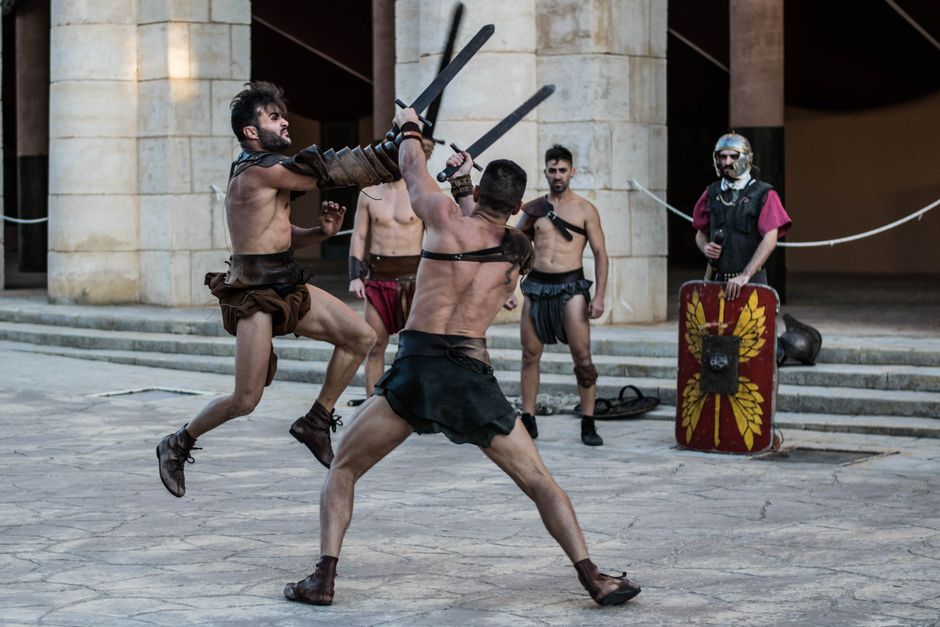
Introduce the historical context of Hanukkah as a story. Focus on the core conflict: the struggle for religious freedom. Emphasize the courage of the Maccabees. Don't go into excessive historical detail, but paint a vivid picture of the challenge.
- Imagine you were living then. What would it feel like to be told you couldn't practice your traditions?
- What do you think gave the Maccabees the strength to fight for what they believed in?
- Do you think it's always easy to stand up for what's right?
Know Before You Teach
- Good to know: Hanukkah celebrates a victory of the Maccabees (a small group of Jewish rebels) against the Syrian-Greeks.
- The Syrian-Greek King Antiochus IV Epiphanes tried to force Jewish people to abandon their religious traditions.
- The Maccabees fought for religious freedom and to rededicate their Temple.
- If they ask: Who were the Maccabees? They were a family of Jewish priests and their followers who bravely led a rebellion to protect their traditions and faith.
- It's working when: Child understanding the conflict between freedom of belief and forced conformity.
- If they're stuck: Simplify the conflict: 'Imagine someone telling you that you couldn't celebrate your favorite holiday anymore. How would you feel?'
- Easier: Focus on 'brave people' fighting for 'what was right'.
- Harder: Ask: 'What risks did the Maccabees take by standing up to the king?'
Done when: Child shows understanding of the basic conflict and the Maccabees' bravery.
3The Power of Resilience 6 min
Read each scene with a varied pace – slow down for descriptions, speed up slightly for action or discovery. Use your hands to illustrate: point to yourself when you say 'you, young Eli', cup your hands to show the small flask, or sweep them to indicate a large chamber. Lean in when Eli discovers something secret, and sit up straighter when there's a big decision.
Resilience is the ability to recover from or adjust easily to misfortune or change. It's about 'bouncing back' from difficulties. You can recognize it when someone persists despite setbacks, adapts to new challenges, or finds inner strength to keep going. It's important for children to see that setbacks are part of growth, and how to develop the inner strength to push through.
- What makes someone resilient?
- Can you think of a time you or someone you know showed resilience?
- How did the Maccabees' resilience help them in their fight?
(The concept of resilience is not just for falling down, but also for adapting and finding new solutions when things change. It's about inner strength and perseverance. A deeper understanding might involve discussing cognitive reappraisal or growth mindset, but that's beyond this age.)
Know Before You Teach
- Good to know: Resilience is not just about physical strength but also mental and emotional toughness.
- It's a process of adapting and growing through difficult experiences, rather than just enduring them.
- If they ask: Is resilience the same as stubbornness? Not exactly. Stubbornness means refusing to change, even when it might be a good idea. Resilience is about finding ways to keep moving forward despite challenges, often by adapting.
- Key words: Resilience: Bouncing back or keeping going when things are hard.
- It's working when: Child offering examples of persistence or overcoming difficulty (even if not explicitly using the word 'resilience').
- If they're stuck: Give a scenario: 'If you're learning to tie your shoes and it's really hard, what do you do to show resilience?'
- Easier: Relate it to simple physical tasks like falling down and getting back up.
- Harder: Ask: 'How is resilience different from just being lucky?'
Done when: Student can explain resilience in their own words and identify it in the story.
4The Miracle of Light 9 min
When the choices appear, read them clearly and slowly, one by one. After reading all three, pause, make eye contact, and ask, 'Which path do you think Eli should take, your child's name? Why that one?' Give them time to think and explain, even if it feels like a long silence, then tap their choice.
Continue the narrative, focusing on the challenge of the oil. This is the moment for the 'miracle' aspect of Hanukkah. Encourage creative problem-solving and prediction.
- If you were there, what would your plan be to keep the light burning?
- Do you think they gave up hope when they saw so little oil? Why or why not?
- What kind of 'light' do you think they really needed at that moment?
Know Before You Teach
- Good to know: After reclaiming the Temple, the Maccabees wanted to relight the menorah, a sacred candelabrum.
- They found only one small flask of consecrated oil, enough for one day.
- The miracle of Hanukkah is that this oil burned for eight days, allowing time to prepare new pure oil.
- If they ask: Did they just light a normal candle? No, they lit a special seven-branched lamp called a menorah, which was meant to burn continuously in the Temple.
- It's working when: Child expressing surprise or wonder at the 'impossible' situation.
- If they're stuck: Prompt for creative solutions: 'If you only had a tiny bit of paint for a big picture, what might you try to do?'
- Easier: Focus on the surprise: 'They only had enough for one day, but it lasted for many!'
- Harder: Ask: 'Why do you think it was important for the light to burn for eight days, specifically?'
Done when: Child makes a prediction or expresses understanding of the challenge.

5Lasting Light, Lasting Hope 2 min
When the final scene concludes, take a deep breath and give a gentle smile. Affirm their journey by saying something like, 'Wow, your child's name, you helped Eli through an amazing mission!' This helps transition from the story world back to the present moment.
Conclude the story with the miracle. Reinforce the themes of resilience, dedication, and hope. Encourage reflection on personal connection to these themes.
- What does the miracle of the oil teach us about hope?
- How can we be a 'light' for others, or keep our own inner light shining?
- What part of the Hanukkah story resonates most with you?
Know Before You Teach
- Good to know: Hanukkah is celebrated for eight nights, often by lighting a menorah (or hanukkiah, which has nine branches – one for each night and a 'shamash' or helper candle).
- The holiday reminds us of the power of faith, courage, and miracles, and the importance of light over darkness.
- If they ask: Does Hanukkah always happen at the same time? Hanukkah is always on the 25th day of the Hebrew month of Kislev, but because the Hebrew calendar is different from ours, its date changes on the Gregorian calendar each year, usually falling in November or December.
- It's working when: Child connecting the historical event to a broader message about life today.
- If they're stuck: Reiterate: 'The Maccabees showed resilience, and a miracle happened. What two words would you use to describe this story?'
- Easier: Ask: 'What was your favorite part of the story?'
- Harder: Ask: 'How might stories like Hanukkah continue to inspire people in different ways today?'
Done when: Student shares one key takeaway about the story or its themes.
Beyond The Spark
Fuel their curiosity beyond the Spark with bonus extras.
Table Talk
The courage and dedication shown in the Hanukkah story remind us that standing up for what you believe in can change history and inspire generations.
Did You Know?
Did you know the menorah has a special candle called the 'shamash' that lights all the others?
Challenge
Imagine you're designing a new symbol for resilience. What would it look like, and why? Draw it and explain your choices!
Quick Recap Quiz 4 min
Customize this quiz, add questions, or follow your child's lead! Each question has a 'Parent Tip' to help them find the answer without giving it away.
1. What was the main reason the Maccabees fought?
- They wanted to conquer new lands.
- They wanted to keep their traditions.
Remind them the king wanted everyone to be like him, but the Maccabees resisted.
2. What does 'resilience' mean?
- Giving up when things get hard.
- Bouncing back after a challenge.
Think about how the Maccabees kept fighting even when the odds were against them.
3. How many days did the tiny bit of oil miraculously last?
- One day.
- Eight days.
This is why Hanukkah is celebrated for eight days!
4. What can the Hanukkah story teach us about challenges?
- It's best to avoid challenges completely.
- Even small acts of courage and hope can make a big difference.
Focus on the idea that courage and hope helped them overcome a huge army and a tiny amount of oil.
Loved This Spark?
Scan to jump into the app and explore similar Sparks in our Sparks Hub. New to Mai? Start free with 10 Sparks, no credit card needed.