
Feline Tongue Brushes
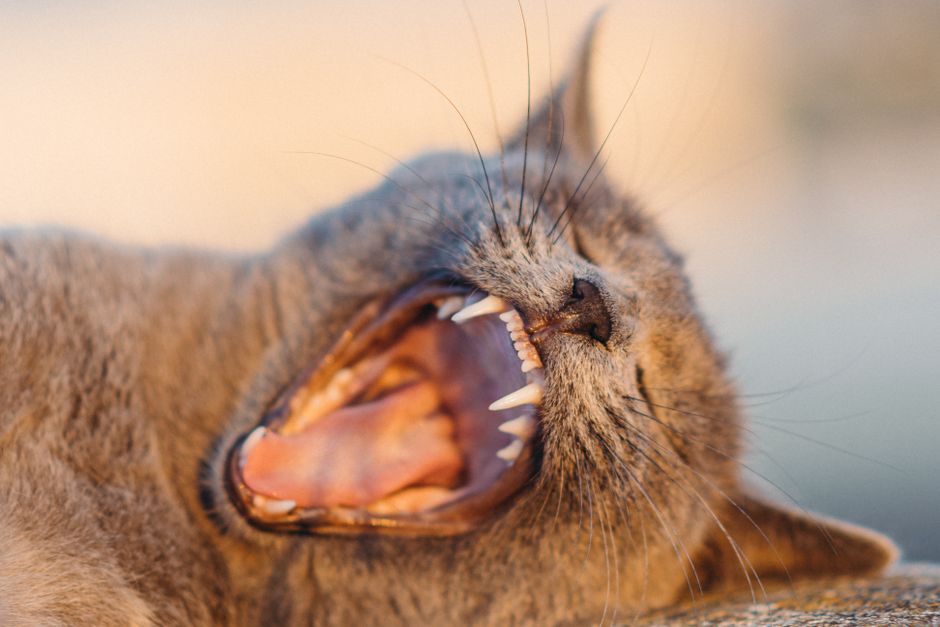
Ever wondered why a cat's tongue feels so rough, like sandpaper? This Spark challenges kids to explore how different textures help animals perform tasks, using everyday household items. They'll discover the ingenious design of a cat's tongue firsthand.
Our goal: Learners will discover that the 'brushes' on a cat's tongue are actually tiny, backward-facing hooks called papillae. They will understand how this unique rough texture helps cats groom themselves by removing loose fur and also makes them super eaters by scraping meat off bones.
What You Need
Clean toothbrush • Smooth spoon • Plate • Crumbs • Small piece of fabric
and this is just the baseline.
Scan to jump into the app and easily personalize this Spark to match your child's exact learning level and see how Mai will guide this lesson.
Learning Guide
A simple guide to lead you through the kickoff, the core challenge, and everything in between.
Mai’s Tips
- Discovery First: The goal is for the child to discover the function of the 'brush' texture through their own experimentation. Resist the urge to give the answer too early. Let their observations lead them.
- Focus on Function: A common misconception might be that the rough tongue is only for tasting or just a random feature. Gently guide their thinking towards the job the texture helps the cat do (grooming, gripping prey, stripping meat from bones).
- Simplify if needed: If a younger child is struggling with the concept of 'function' or 'adaptation', reframe it as 'What does this help the cat do?' or 'What is this part for?' instead of using more abstract terms.
- Supervision: Remind children not to put the toothbrush back in their mouth after using it for the activity, even if it was clean at the start.
1Breakfast Table Wonders 5 min
Start with a common breakfast item. Have the child describe its texture and feel their own tongue. Then, ask the central question about cat tongues. Listen to their initial ideas without correcting.
- Ask them: "How does your toast (or cereal, or fruit) feel? Rough, smooth, crunchy?"
- Ask them: "How does your own tongue feel if you run it over your lips?"
- Ask them: "Why do you think cats have brushes on their tongues, instead of smooth ones like ours?"
Know Before You Teach
- Good to know: Cat tongues are covered in tiny, backward-facing spines (papillae).
- These papillae are made of keratin, the same material as claws.
- If they ask: Does it hurt the cat to have a tongue like that? No, it's perfectly normal and useful for them, like our fingers are useful to us!
- It's working when: The child describing textures using words like 'rough', 'smooth', 'bumpy', 'flat'.
- If they're stuck: Ask about the texture of a different common object, like a blanket or a piece of fruit, to get them thinking about varied textures.
- Easier: Focus on just one texture comparison, e.g., 'your tongue vs. cat's tongue, which is rougher?'
- Harder: Ask an older child to hypothesize what cats might use such a tongue for, beyond just eating.
Done when: Student has offered an initial guess about why a cat's tongue is brush-like.

2Explore & Plan Our Tongue Tools 8 min
Explain that you'll simulate cat tongues. Guide them to select a rough and a smooth household item. Have them feel each item and describe its texture. Then, discuss how they could use these items to interact with crumbs and fabric, and ask for their predictions.
- Ask them: "Which of these (toothbrush or spoon) feels rough, and which feels smooth?"
- Ask them: "If you were trying to pick up these crumbs, which tool do you think would work better? Why?"
- Ask them: "What if we wanted to 'comb' this fabric? Which tool would be best?"
Know Before You Teach
- Good to know: Different textures have different properties: rough textures increase friction, smooth textures reduce it.
- Tools are designed with specific textures to perform their intended jobs.
- If they ask: Why can't we just use our fingers? Our fingers have some grip, but not the same kind of bristly, hook-like grip as a cat's tongue or a brush.
- It's working when: The child making a clear prediction based on the texture of the tools, even if the prediction turns out to be wrong.
- If they're stuck: Suggest they rub the rough and smooth tools lightly on their own palm to feel the difference in friction.
- Harder: Challenge an older child to think about what variables they might need to control in their test to make it fair (e.g., using the same amount of force).
Done when: Student has identified two tools (one rough, one smooth) and made a prediction about their effectiveness.
3The Science of Papillae 6 min
Have the child test their tools on the crumbs and fabric. Let them share observations before you introduce the term 'papillae'. Provide the definition and connect it to their observations and the cat's tongue.
- Have them: Sweep crumbs with the smooth spoon, then the toothbrush. Repeat with fabric.
- Ask them: "What happened when you used the smooth spoon? What about the brushy toothbrush?"
- Say: "Those tiny bumps on a cat's tongue are called papillae. They're like little hooks!"
- Ask them: "How do you think these papillae help a cat eat or clean itself?"
Know Before You Teach
- Good to know: Papillae are hook-shaped, which allows them to grab onto things like loose fur or small prey.
- They help cats clean themselves by acting like a comb, removing dirt and loose hair.
- If they ask: Are papillae just for taste? While taste buds are on the tongue, papillae are mostly about texture and grip, not taste itself. Our tongues have taste buds too, but they feel smooth.
- It's working when: The child making a connection between the toothbrush's effectiveness and the 'hooks' on a cat's tongue.
- If they're stuck: Re-emphasize how the toothbrush felt and acted on the crumbs – 'Did it push them or grab them?'
- Easier: Simply ask which tool was 'better' and if the cat's tongue is like the 'better' tool.
- Harder: Ask an older child to brainstorm other animals that might benefit from a rough tongue and why.
Done when: Student can describe the function of papillae in their own words, relating it to the activity.

4Cat Tongue Simulation 9 min
Guide the child to use the toothbrush to actively simulate cat behaviors like grooming and 'grabbing' small objects. Observe their techniques and encourage them to explain how the texture aids the action. Ensure they don't put the toothbrush in their mouth.
- Have them: Use the toothbrush to 'groom' the piece of fabric, as if it were a cat's fur.
- Have them: Use the toothbrush to 'grab' and move a single crumb across the plate.
- Ask them: "What makes your 'cat tongue' (toothbrush) so good at holding onto the fabric or moving the crumb?"
Know Before You Teach
- Good to know: Friction is the force that resists motion between two surfaces in contact. Rough surfaces generally create more friction.
- It's working when: The child observing how the fabric 'catches' on the toothbrush, or how the crumb sticks to it.
- Easier: Focus only on the 'grooming' aspect, which is often more intuitive for younger children.
- Harder: Challenge an older child to describe the directionality of the hooks – why is 'backward-facing' important?
Done when: Student has successfully demonstrated 'grooming' and 'grabbing' actions with the toothbrush and described their observations.

5Our Amazing Tongues 2 min
Lead a reflection on what they learned. Ask what surprised them and how this activity changes their view of animal adaptations.
- Ask them: "What was the most surprising thing you discovered about cat tongues today?"
- Ask them: "How do you think human tongues are perfectly designed for our needs?"
Know Before You Teach
- Good to know: Animal bodies are incredibly adapted to their specific environments and needs.
- Learning about one animal's feature can help us understand adaptations in others.
- If they ask: Do all cats have papillae? Yes, all species of cats – from house cats to lions and tigers – have papillae, as it's a vital adaptation for their survival.
- Key words: adaptation: A special feature an animal has that helps it survive in its environment.
- It's working when: The child expressing wonder or connecting the cat's tongue to other examples of animal design.
- If they're stuck: Remind them of the initial question: 'Did we answer why cats have brushes on their tongues?'
- Harder: Ask an older child to compare a cat's tongue to another animal adaptation, like a bird's beak or a fish's gills, and explain how each helps the animal survive.
Done when: Student shares one key takeaway about the function of papillae or the adaptive nature of animal features.
Beyond The Spark
Fuel their curiosity beyond the Spark with bonus extras.
Table Talk
The design of a cat's tongue has inspired engineers to create new cleaning tools and grippers.
Did You Know?
The tiny 'brushes' on a cat's tongue are made of keratin, just like your fingernails!
Challenge
What other household tools are designed with specific textures to do a job, like scrubbing brushes or grippy gloves? Can you find some and explain their texture's purpose?
Quick Recap Quiz 4 min
Customize this quiz, add questions, or follow your child's lead! Each question has a 'Parent Tip' to help them find the answer without giving it away.
1. What makes a cat's tongue feel rough, like sandpaper?
- It's covered in tiny taste buds.
- It has tiny, hook-shaped bumps called papillae.
Remind them of the special name for the little hooks you discussed!
2. Which of these jobs does a cat's rough tongue help it do best?
- Grooming its fur to keep clean and tidy.
- Drinking water very quickly like a straw.
Think about how your toothbrush worked on the fabric. What did it help do?
3. When you used the toothbrush to pick up crumbs, what did its texture do?
- It made the crumbs slide away more easily.
- It helped grip the crumbs and move them.
Remember which tool was better at picking things up.
4. How is a human tongue different from a cat's tongue?
- Human tongues are generally smooth, while cat tongues are rough.
- Human tongues only taste sweet things, cat tongues taste everything.
Think about how your own tongue felt at the beginning of the lesson.
Loved This Spark?
Scan to jump into the app and explore similar Sparks in our Sparks Hub. New to Mai? Start free with 10 Sparks, no credit card needed.