Ethical Eating Challenge
This challenge invites high schoolers to plan and shop for a week's meals, balancing nutritional needs, a set budget, and ethical sourcing. It's a hands-on exploration of personal finance, consumer choices, and societal impact. Students will make real-world decisions that reflect their values.
Our goal: In this spark, your learner will develop a practical weekly meal plan that balances nutrition, cost, and ethical considerations, practice budgeting and comparative shopping skills in a real-world setting and critically analyze the social, economic, and environmental impacts of consumer choices.
What You Need
Grocery Flyers • Notebook • Pen • Reusable Bag • Cash Or Card
and this is just the baseline.
Scan to jump into the app and easily personalize this Spark to match your child's exact learning level and see how Mai will guide this lesson.
Learning Guide
A simple guide to lead you through the kickoff, the core challenge, and everything in between.
Mai’s Tips
- Encourage your child to explicitly define their 'ethical' criteria before shopping. This helps them make deliberate choices rather than just reacting to prices.
- After the shopping trip, compare the planned budget to the actual spending. Discuss unexpected costs or savings and what could be done differently next time. This is key for financial literacy.
Prep Before Session 15 min
- Collect local grocery flyers or access online grocery store apps/websites for price research.
- Find a notebook and pen for meal planning.
- Decide on a budget range for the week's groceries (e.g., $50-$70) and be prepared to explain why this range is realistic for your family.
- Ensure you have a reusable shopping bag available for the grocery trip.
1Introduction 5 min
Welcome your child to "The Ethical Eater Challenge" with enthusiasm. This challenge is about understanding the broader impact of our food choices. Ask them to consider what they already know or think about ethical consumption and budgeting.
Ask them: "What does 'ethical eating' mean to you?" or "Why do we need a budget when shopping?" Then, prompt: "What kind of power do you think your shopping decisions hold?"
'Ethical eating' means making food choices that consider not just your taste and wallet, but also the environmental, social, and economic impact of how food is produced and distributed. For example, buying fair-trade coffee is often considered ethical, while avoiding produce grown with exploitative labor practices also aligns with ethical eating. A 'budget' is a financial plan that helps you manage how you spend and save money, ensuring you don't overspend and can prioritize your needs.
Done looks like: Your child expresses initial thoughts on food choices, ethics, or budgeting.
Know Before You Teach
- Good to know: Consumer shopping decisions hold power, as they influence what companies produce and stores stock.
- If they ask: Is organic food always ethical? Not necessarily, 'organic' primarily refers to farming methods; it doesn't guarantee fair labor practices or minimal environmental impact during transportation, for instance.
- If they ask: Why can't I just buy whatever I want? While you can choose freely, this challenge encourages thinking about how those choices impact others and the planet, which can be limited by a budget.
- It's working when: The child asks follow-up questions about the terms 'ethical eating' or 'budget'.
- If they're stuck: Share a personal example of a time you thought about the broader impact of a food purchase.
- Easier: Focus the discussion only on the budget aspect, asking how money limits choices.
- Harder: Ask them to brainstorm 2-3 specific global issues that food choices might impact.
Done when: Student expresses initial thoughts on food choices, ethics, or budgeting.

2Explore & Plan 15 min
Help your child prepare for the planning phase. Gather the necessary materials: grocery flyers, a notebook, and a pen. Set a realistic budget for the week's groceries, for example, between $50 and $70. Guide them as they create a weekly meal plan that balances nutritional needs, adheres to the budget, and incorporates ethical considerations.
Encourage them to research food prices using the flyers or online resources, comparing different options. Have them define what 'ethical' means to them for this challenge (e.g., local, seasonal, fair trade). Prompt them to think about strategies to avoid food waste.
Ask them: "What are some ethical considerations we might think about when choosing food?" or "How can we make sure we stick to our budget?" Also ask: "What does 'ethical sourcing' mean to you in this challenge?" and "How can we plan to reduce food waste?"
'Ethical sourcing' means choosing products based on how they were produced, prioritizing fairness to workers, environmental sustainability, and animal welfare. 'Food waste' is any food that is discarded or left uneaten; reducing it helps conserve resources.
Done looks like: Your child has a preliminary meal plan, grocery list, budget outline, and initial ethical considerations.
Know Before You Teach
- Good to know: Nutritional needs require a balanced intake of different food groups like fruits, vegetables, proteins, and grains for overall health.
- Researching prices and comparing options helps stay within budget and find value.
- If they ask: What if I can't find fair trade options for everything? Then prioritize other ethical criteria that are available, like local sourcing or reducing packaging waste, based on what's most important to you for this challenge.
- If they ask: How do I know what's 'nutritional'? Focus on including a variety of fruits, vegetables, lean proteins, and whole grains across your meals, and consider portion sizes.
- It's working when: The child actively uses the grocery flyers or online resources to compare prices for items on their meal plan.
- If they're stuck: Suggest planning dinner for just two days first, then expand from there.
- Easier: Provide a basic template for a meal plan with common meal categories (e.g., breakfast, lunch, dinner, snack) already listed.
- Harder: Introduce an additional constraint, such as 'at least three meals must use ingredients grown within 100 miles of home'.
Done when: Student has a preliminary meal plan and grocery list, along with a budget outline and initial ethical considerations.

3Discussion 8 min
Have your child explain their meal plan and budget choices, sharing their reasoning. Engage them in a discussion about what they learned, the challenges they faced, and any 'trade-offs' they made during the planning process.
Ask them: "What was the most surprising thing you learned while planning?" or "How did you balance cost, nutrition, and your ethical values?" Also ask: "What trade-offs did you have to make?" and "How did you define 'ethical' for your choices?"
'Trade-offs' are situations where you must give up one thing to get another, often in pursuit of a different goal. For example, a trade-off might be choosing a slightly more expensive organic item for its environmental benefit.
Done looks like: Your child articulates the reasoning behind their meal plan and budget decisions, highlighting ethical considerations and trade-offs.
Know Before You Teach
- Good to know: Articulating the reasoning behind choices helps clarify personal values and decision-making processes.
- Reflecting on planning challenges improves future problem-solving skills.
- If they ask: Did I do it right? There's no single 'right' answer; the goal is to make informed choices that align with your values and the challenge's constraints, then learn from them.
- If they're stuck: Ask them to rank their priorities for this challenge (e.g., budget first, then ethics, then taste) and see if that clarifies their choices.
- Easier: Focus the discussion on only one aspect, such as, 'What was the hardest thing about trying to stick to the budget?'
- Harder: Ask them to identify one assumption they made during planning that might be challenged by real-world shopping conditions.
Done when: Student can articulate the reasoning behind their meal plan and budget decisions, highlighting ethical considerations and trade-offs.
4Activity 25 min
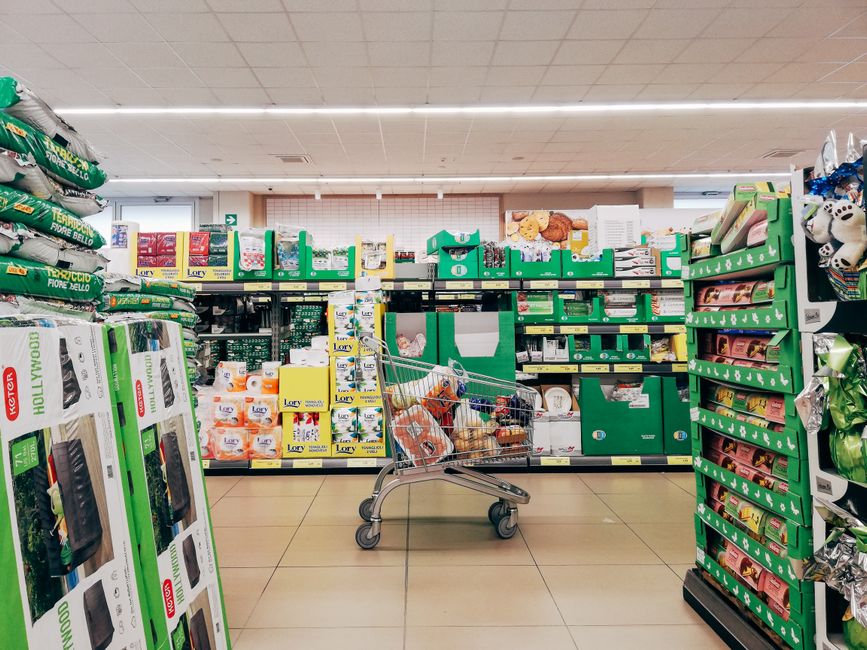
Head to the grocery store with your child, armed with their planned list, a reusable bag, and cash or a card. Allow them to lead the shopping process, making choices based on their plan and budget. Encourage them to actively observe product origins, pricing strategies, and marketing. Let them make real-time decisions, comparing options as needed.
Intervene only if absolutely necessary, such as for safety reasons or if they are significantly deviating from their established budget or ethical guidelines without clear reasoning. Encourage them to ask themselves, "Are these prices different than I expected?" or "Does this product's origin align with my ethical choices?"
Done looks like: Grocery shopping is completed, staying as close as possible to the budget and ethical guidelines.
Know Before You Teach
- Good to know: Actual store prices can differ from advertised flyers or online estimates due to sales expiring or regional variations.
- Product placement, signage, and packaging are marketing strategies designed to influence purchasing decisions.
- Checking product origins directly on packaging helps verify ethical sourcing claims or local options.
- If they ask: Should I buy the cheaper option even if it feels less ethical? That's a personal decision you need to make based on your budget and how strictly you want to apply your ethical criteria for this particular trip.
- If they're stuck: Point out two similar products on a shelf and ask them to compare their price, origin, or other relevant labels.
- Easier: Accompany them through one aisle, actively pointing out price differences and helping them read product labels.
- Harder: Have them note down at least three instances where they considered changing their plan due to in-store realities, and why.
Done when: Student has completed the grocery shopping, staying as close as possible to their budget and ethical guidelines.

5Summary 7 min
Congratulate your child on successfully completing "The Ethical Eater Challenge." Engage in a discussion about their shopping experience. Ask them to reflect on what went well, what was challenging, and any surprising observations they made at the store. Prompt them to think about how this experience might change their future consumer choices.
Ask them: "What was the biggest challenge you faced during your shopping trip?" and "How did you overcome it?" Also, ask: "What surprising things did you observe at the store?" and "How has this experience changed your perspective on consumer choices?"
Discuss 'food deserts', which are areas with limited access to affordable, nutritious food, and 'supply chains', which are the networks moving products from producers to consumers. This helps them connect their personal shopping experience to broader real-world issues.
Done looks like: Your child shares at least one key takeaway or changed perspective from the activity.
Know Before You Teach
- Good to know: Food deserts can exist in both urban and rural areas, making it difficult for residents to access healthy, affordable food.
- Supply chains are complex networks that move food from production to consumption, and disruptions in any part can affect availability and price.
- Individual consumer choices, when aggregated, can send signals through the supply chain, potentially influencing production practices over time.
- If they ask: Why do food deserts happen? They can be caused by various factors, including lack of grocery stores in certain neighborhoods, economic inequality, and limited public transportation for residents to reach stores.
- If they ask: What happens if a supply chain breaks? It can lead to product shortages, higher prices, or delays in getting goods to consumers, impacting many people and businesses.
- It's working when: The child connects their personal shopping experience to a broader societal or environmental issue discussed.
- If they're stuck: Ask, 'If you had to give one piece of advice to another shopper after this experience, what would it be?'
- Easier: Focus the discussion only on what they enjoyed most or found easiest about the shopping trip.
- Harder: Ask them to suggest one policy change or community action that could help address a problem like food deserts.
Done when: Student shares at least one key takeaway or changed perspective from the activity.
Beyond The Spark
Fuel their curiosity beyond the Spark with bonus extras.
Table Talk
Understanding budgeting and ethical sourcing is crucial for managing personal finances, supporting sustainable industries, and advocating for social justice in global supply chains as an adult.
Challenge
Research the 'food miles' or carbon footprint of five items on your grocery list. How could you reduce this impact in the future? Or, try to prepare one meal using only ingredients sourced within 100 miles of your home.
Quick Recap Quiz 4 min
Customize this quiz, add questions, or follow your child's lead! Each question has a 'Parent Tip' to help them find the answer without giving it away.
1. What is the primary benefit of planning meals before grocery shopping?
- It guarantees you'll find exactly what you want.
- It helps you stick to a budget and reduce food waste.
Ask: 'What happens if you go shopping without a list or plan?'
2. When considering 'ethical consumption' for food, which factor is most relevant?
- The environmental and social impact of production.
- How many celebrity chefs recommend the product.
Discuss what 'ethical' means beyond just personal preference or taste.
3. Why might buying local or seasonal produce be considered an ethical choice?
- It always tastes better than imported goods.
- It often reduces 'food miles' and supports local economies.
Prompt: 'Think about where your food travels from and who benefits.'
4. What is a key 'soft skill' developed through this challenge?
- Critical thinking and decision-making under constraints.
- Memorizing grocery store layouts.
Ask: 'Was this just about buying food, or did you have to think strategically?'
Loved This Spark?
Scan to jump into the app and explore similar Sparks in our Sparks Hub. New to Mai? Start free with 10 Sparks, no credit card needed.