
Design Your Learning Headquarters
This lesson challenges learners to design and set up their ideal learning space. It encourages practical organization skills, creative problem-solving, and a sense of ownership over their educational environment, preparing them for a productive school year.
Our goal: In this spark, your learner will strategize how to organize a personal learning environment, implement practical solutions for decluttering and arranging a space and reflect on the impact of environment on focus and productivity.
What You Need
Paper • Pencil • Crayons • Items in room
and this is just the baseline.
Scan to jump into the app and easily personalize this Spark to match your child's exact learning level and see how Mai will guide this lesson.
Learning Guide
A simple guide to lead you through the kickoff, the core challenge, and everything in between.
Mai’s Tips
- For younger learners, focus on the 'clearing clutter' and 'making it pretty' aspects. For older learners, encourage detailed planning and consideration of workflow.
- If siblings are working together, suggest they each design their own small space within a larger shared area, promoting individual ownership and collaboration.
1Introduction 5 min
Welcome your child and introduce the idea of a personal learning space. Help them connect with how different environments can affect how they feel and learn. Ask them to think about where they currently do their homework or creative projects and how that space makes them feel. Engage them in a short discussion about what they consider makes a learning space special.
Guiding Questions:
"Where do you usually do your homework or creative projects?"
"How does that space make you feel? Calm and ready, or scattered?"
"What do you think makes a learning space special?"
Done: Your child discusses their current learning area.
Done when: Student engages in discussion about their current learning space.
2Explore & Plan 8 min
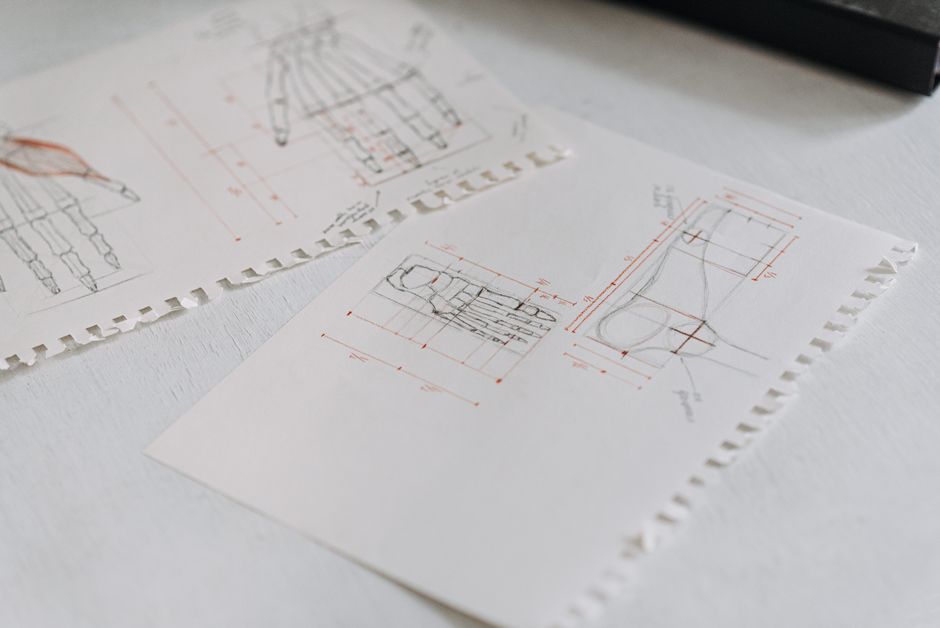
Guide your child to identify a specific, small area they can claim as their 'Learning Headquarters' for this activity. Provide paper, a pencil, and crayons. A Learning Headquarters is your special spot where you do your learning; it's designed just for you to focus and feel ready to learn. Have them observe the space, noting what items are already there. Then, encourage them to sketch their current space and, using their imagination, draw their ideal arrangement. Remind them to consider what they need for learning in this area.
Guiding Questions:
"Look around this space. What do you see here right now?"
"What items do you need for learning in this space?"
"What would make this space perfect for you?"
Done: Your child has chosen a space and created a basic plan or sketch.
Done when: Student has chosen a space and created a basic plan/sketch for its organization.
3Discussion 6 min
Listen actively as your child shares their design ideas. Prompt them to articulate their reasoning behind the choices they made for their Learning Headquarters. If they struggle, use clarifying questions to help them explain their thoughts. Focus on understanding why they want certain changes or additions, and how they believe these will improve their focus or readiness for learning.
Guiding Questions:
"What did you want to change or add first in your space?"
"Why do you think those changes will help you learn better?"
"How do you think a tidy space helps you feel ready for learning?"
Done: Your child explains a few reasons behind their design choices.
Done when: Student can articulate a few reasons behind their design choices.

4Activity 9 min
Supervise as your child physically organizes their chosen space according to their plan. Guide them to move items that don't belong and to declutter. To declutter means to remove unnecessary items, making the space tidy and easy to use, which helps your brain focus. Have them arrange their essential learning tools, such as pencils, books, or notebooks, in a way that feels inspiring and helps them focus. Offer practical help only if they request it or need assistance with something physically difficult. Emphasize that it's their design and choices that matter most in this process.
Guiding Questions:
"What needs to be moved to create your ideal space?"
"What essential learning tools will you arrange first?"
"How will you clear away distractions from this area?"
Done: Your child has physically organized their chosen space.
Done when: Student has completed the physical activity.

5Summary 2 min
Praise your child's effort and the outcome of their work in creating their new Learning Headquarters. Engage them in a reflection on how the newly organized space feels. Reinforce the idea that they created this useful space themselves and discuss its potential benefits for their learning and focus. Have them share one key takeaway from the activity.
Guiding Questions:
"How does your new Learning Headquarters feel now?"
"What was the most important thing you learned today about organizing your space?"
"How do you think this space will help you learn and focus?"
Done: Your child shares one key takeaway.
Done when: Student shares one key takeaway.
Beyond The Spark
Fuel their curiosity beyond the Spark with bonus extras.
Table Talk
Architects and interior designers create functional and inspiring spaces for people to work and live, just like you designed your learning zone.
Challenge
Design a portable 'learning kit' with essential supplies that you can easily move to any location, using a shoebox or small bag.
Quick Recap Quiz 4 min
Customize this quiz, add questions, or follow your child's lead! Each question has a 'Parent Tip' to help them find the answer without giving it away.
1. What's the main goal of organizing a learning space?
- To make it look pretty for visitors.
- To help you focus and learn better.
Remind them of the discussion about how different spaces make us feel.
2. What's the first step in creating your learning headquarters?
- Choose a specific area to organize.
- Buy all new school supplies.
Ask them to recall what they did first when Mai asked them to plan.
3. Why is it helpful to remove distractions from your learning space?
- Because you won't have anything fun to do.
- So your brain can focus on learning tasks.
Ask them what happens to their thoughts when there are too many toys or noises around.
4. Who should decide how your learning space is organized?
- You, because it's your space to learn in!
- An adult, because they know best.
Emphasize that the challenge was about their design and choices.
Loved This Spark?
Scan to jump into the app and explore similar Sparks in our Sparks Hub. New to Mai? Start free with 10 Sparks, no credit card needed.