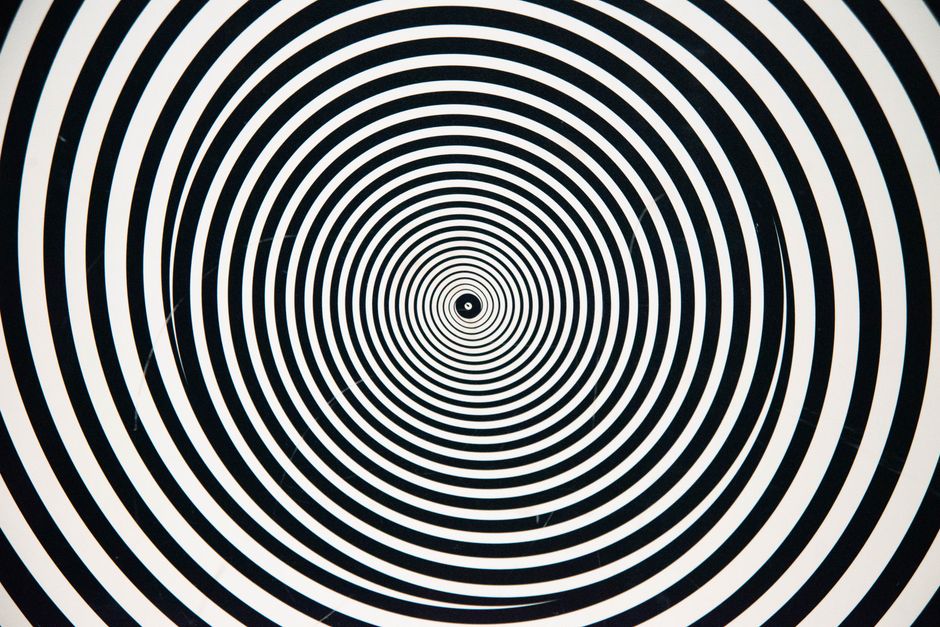
Design Optical Illusions
This Life Lab challenges you to explore the fascinating world of optical illusions by becoming an artist yourself. You'll discover how simple lines and shapes can trick your brain into seeing something that isn't quite there, and then design your very own mind-bending masterpiece.
Our goal: In this spark, your learner will identify different types of optical illusions and how they work, design and create a simple optical illusion using common materials and explain how visual perception can be influenced by artistic techniques.
What You Need
Paper • Pencil • Ruler • Colored Pencils • Colored Pencils (optional)
and this is just the baseline.
Scan to jump into the app and easily personalize this Spark to match your child's exact learning level and see how Mai will guide this lesson.
Learning Guide
A simple guide to lead you through the kickoff, the core challenge, and everything in between.
Mai’s Tips
- Encourage all family members, including yourself, to participate in creating an illusion. It's a great way to show that learning is fun for everyone!
- Don't focus on artistic perfection. Celebrate the exploration and the 'aha!' moment when they see their lines 'wobble' for the first time.
1Introduction 5 min
Begin by enthusiastically introducing the idea that art can play tricks on our brains. Explain that an optical illusion is a picture that tricks your brain into seeing something that isn't quite there. It makes your eyes think they see one thing, but it's really something else, like lines that look bent but are actually straight. This happens because our brains interpret what our eyes see in surprising ways.
Ask: "What's the trickiest thing your eyes have ever seen?"
Then ask: "What do you think makes our eyes and brains interpret things in surprising ways?"
Encourage them to share any example, no matter how simple.
Done when they show curiosity and share an example of something that looked 'tricky' to their eyes.
Done when: Student shows curiosity and shares an example of something that looked 'tricky' to their eyes.
2Explore & Plan 8 min
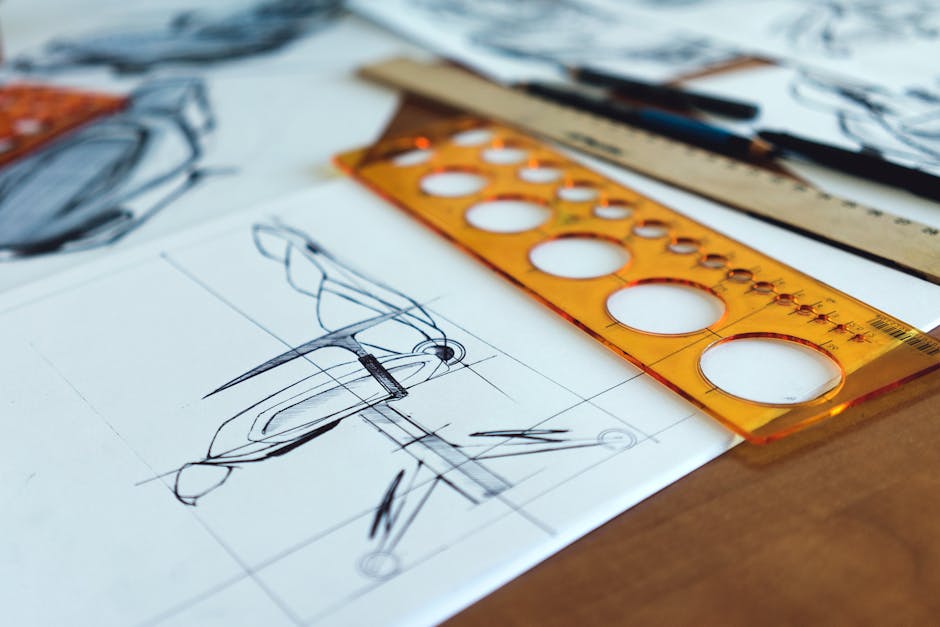
First, help gather the necessary materials: paper, a pencil, and a ruler. Re-emphasize that an illusion is about making something appear different from what it actually is, using simple visual elements.
For younger children, demonstrate how to draw a straight line and a curved line. For older children, encourage them to sketch out potential ideas or patterns for their illusion on a separate scrap of paper.
Ask: "What kinds of lines and shapes do you think might be good for tricking the eye?"
Then ask: "What do you predict will happen when we try to make something look wobbly or moving?"
Focus on the planning and material preparation, without revealing the specific illusion technique yet.
Done when all materials are gathered, and they have thought about what they might draw or what might create an illusion.
Done when: Materials are gathered, and the student has thought about what they might draw or what might create an illusion.
3Discussion 6 min
Building on the previous exploration, encourage them to think about how simple lines and shapes can create a trick. Let them answer first. Guide them to connect the idea of "trickery" with specific visual elements. Avoid giving direct answers.
Ask: "What are some ways an artist might use simple lines and shapes to make something look different from what it actually is?"
Then ask: "What kind of feeling or effect do you think an optical illusion artist tries to create?"
If they're stuck, prompt them with "Why do you think that might work?" or "What if we tried...?"
Done when they can articulate one or two ideas about how visual elements might create a trick.
Done when: Student can articulate one or two ideas about how visual elements might create a trick.
4Activity 9 min
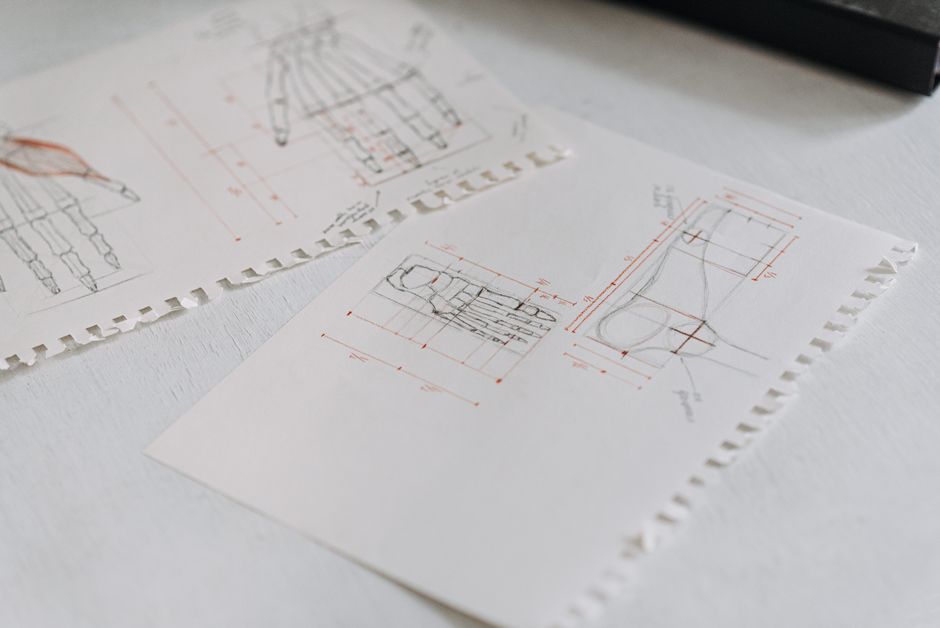
It's time to create your own "Wobbly Lines Illusion"! Supervise and assist, especially with younger children using the ruler for precision. Encourage precision, but also experimentation.
1. Get your paper, pencil, and ruler.
2. Draw several parallel straight lines across your paper, from one edge to the other. Aim for them to be as straight and evenly spaced as possible. Use the ruler or a straight edge.
3. Draw a series of small, evenly spaced dots along one of these lines.
4. Connect these dots with a gently curved line, making it curve between the parallel lines. Repeat this for all your parallel lines, making sure the curves go in the same direction on each line.
Observe your creation!
Ask: "Do the straight lines still look straight, or do they appear to wiggle or bulge?"
Encourage experimentation: "What if you try curving the lines in the opposite direction, or using different shapes instead of dots? What happens if you add color?" If they get frustrated, suggest simplifying or just playing with lines. The goal is the experience of creation and discovery. Remind them to look at their creation from different angles.
Ask: "What will your eyes be tricked into seeing when you look from different angles?"
Done when they have completed the physical activity of creating the illusion.
Done when: Student has completed the physical activity.
5Summary 2 min
Celebrate their unique creation and effort! Discuss the "Wobbly Lines Illusion" they just made and what they learned about perception – how our brains interpret what our senses, like sight, take in. Our illusion shows how our visual perception can be tricked.
Ask: "How does it feel to trick your own brain with your art?"
Then ask: "What surprised you most about making this illusion?"
Finally, ask: "Where else in the world do you think we might see illusions, besides in art?" Connect their artwork to real-world examples like road signs, advertising, or even architectural designs that use perspective tricks.
Done when they share one key takeaway from the activity.
Done when: Student shares one key takeaway.
Beyond The Spark
Fuel their curiosity beyond the Spark with bonus extras.
Table Talk
Artists, designers, and even architects use principles of illusion to create captivating visuals and spaces.
Challenge
Can you try making your illusion look 3D, like it's popping off the page or sinking into it? Or try a different pattern, like a checkered board that looks distorted!
Quick Recap Quiz 4 min
Customize this quiz, add questions, or follow your child's lead! Each question has a 'Parent Tip' to help them find the answer without giving it away.
1. What is an optical illusion?
- A drawing that is hard to see clearly.
- A picture that tricks your brain into seeing something that isn't quite there.
If they're stuck, ask if the lines they drew were actually wobbly or just looked wobbly.
2. When you made your illusion, what did the straight lines appear to do?
- They looked like they were bending or wiggling.
- They stayed perfectly straight no matter what.
Remind them to look at their drawing again and describe what they see.
3. What materials did we use to trick our brains today?
- A computer screen and special glasses.
- Paper, a pencil, and a ruler.
Ask them to point to the items they used to make their illusion.
4. Besides art, where might you see illusions in the real world?
- In advertising, architecture, or even road markings.
- Only in books about magic tricks.
Prompt them to think about how buildings sometimes look taller or closer, or how ads make things seem bigger.
Loved This Spark?
Scan to jump into the app and explore similar Sparks in our Sparks Hub. New to Mai? Start free with 10 Sparks, no credit card needed.