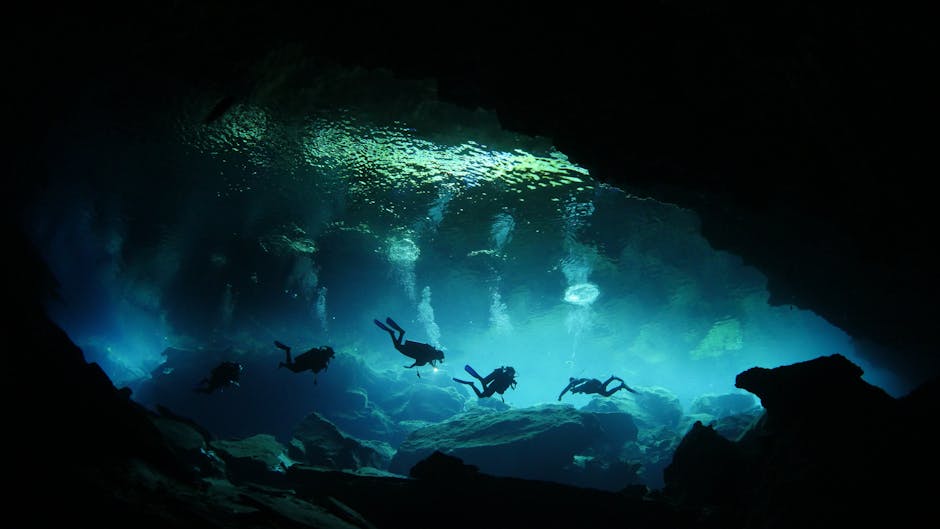
Deep Sea Survivor
Dive into the mysterious deep ocean where sunlight never reaches! This lesson challenges learners to design and build a creature that can survive the extreme conditions of the abyss, exploring adaptations to pressure, darkness, and food scarcity.
Our goal: In this spark, your learner will identify and describe key challenges of the deep-sea environment (pressure, darkness, food scarcity), design a hypothetical deep-sea creature with adaptations to overcome these challenges and experiment with basic principles of pressure and buoyancy using household materials.
What You Need
Plastic Bottle • Water • Modeling Clay • Small Toys
and this is just the baseline.
Scan to jump into the app and easily personalize this Spark to match your child's exact learning level and see how Mai will guide this lesson.
Learning Guide
A simple guide to lead you through the kickoff, the core challenge, and everything in between.
Mai’s Tips
- For younger children, focus on the 'squishy' pressure and 'darkness' concepts. For older children, introduce terms like 'bioluminescence' and discuss the chemical processes behind deep-sea vents.
- Encourage older children to think about the physical properties of their creature's materials – why did they choose clay? How does water inside the bottle demonstrate pressure?
1Introduction 5 min
Begin by asking your child to imagine what it's like in the deepest parts of the ocean, where no sunlight reaches. This dark, mysterious place is called the abyss. It's important because animals living there have to be super special to survive.
Ask them: "What do you imagine it's like way down deep in the ocean?"
Then, encourage imaginative thinking about the conditions: "What do you think it feels like to be there?", "How dark do you think it is?"
Prompt them to consider life there: "What kind of challenges do you think a creature would face in a place like that?"
Done: Your child shares their thoughts or asks questions about the deep sea.
Done when: Student engages with the initial questions, sharing their thoughts or questions about the deep sea.

2Explore & Plan 8 min
Introduce the main challenge: building a deep-sea creature that can survive. First, gather your materials: a clean, empty plastic bottle with a lid (a water bottle is good), water, modeling clay (waterproof is best), and various small toys or objects (waterproof, like small rocks or marbles).
Now, guide a discussion about the three big problems deep-sea creatures face and how to solve them. Ask:
"How will our creature handle the immense pressure? The weight of all that water can squish things!"
"What about seeing in the total darkness down there? There’s no sunlight at all."
"How will our creature find food in a huge, empty space?"
Encourage your child to brainstorm ideas for their creature's features based on these challenges, either by sketching or talking it through.
Done: Your child has discussed the challenges, brainstormed adaptations, and all materials are ready.
Done when: Student has discussed the main deep-sea challenges and brainstormed some potential adaptations for their creature, and materials are ready.

3Discussion 6 min
Now, let's dive deeper into those challenges. Ask your child to explain:
"Why is pressure such a big deal down there, and how do you think creatures avoid being squished?"
If they're stuck, prompt them: "What if a creature had a very flexible body?"
Explain that pressure is the immense force pushing down from the weight of all the water above. Deep-sea creatures need special adaptations – features or behaviors that help them survive – to handle it, unlike us on land who aren't under such heavy water.
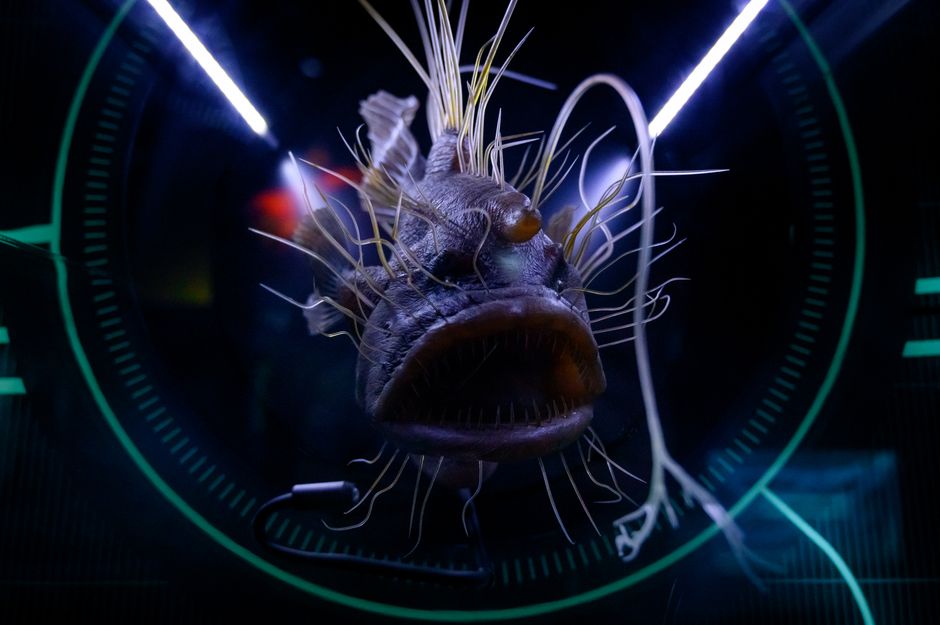
Next, ask: "What clever tricks might they use to glow in the dark or sniff out a meal when it's pitch black?"
Prompt if needed: "Have you ever seen a creature with big eyes? Why might that be useful here?"
Finally, ask them to share: "What ideas did you come up with for your own creature's superpowers?"
Done: Your child can explain at least two deep-sea challenges in their own words and suggest potential adaptations.
Done when: Student can explain in their own words at least two challenges of the deep sea and offer potential adaptations.
4Activity 9 min
It's time to build your deep-sea survivor! Help your child use the modeling clay and small toys to sculpt and assemble their creature directly inside the plastic bottle. Encourage them to think about the adaptations discussed in their design choices.
Once the creature is settled inside, carefully fill the bottle completely with water. Make sure there are no air bubbles trapped inside.
Then, close the lid tightly and securely.
Now, observe your creature's deep-sea world. Ask: "What did your creature do when the water was added?"
Further observe by gently squeezing the bottle: "What happens when you gently squeeze the bottle?" and "Does your creature float or sink?"
Done: Your child has built their creature, filled the bottle with water, and made initial observations of its behavior.
Done when: Student has constructed their deep-sea creature in the bottle, filled it with water, and observed its initial behavior.
5Summary 2 min
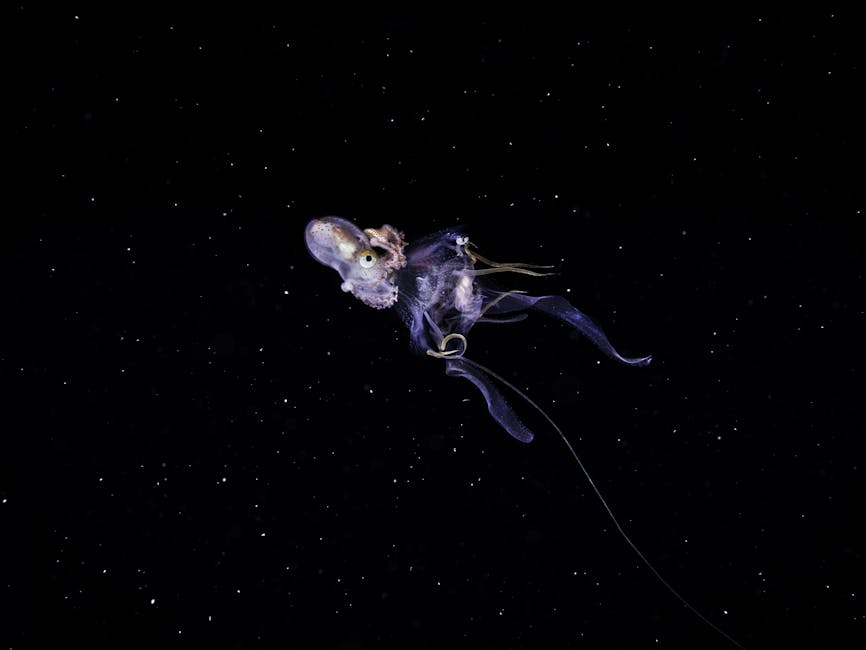
Celebrate your child’s effort and creativity! Emphasize that they have designed a creature capable of surviving extreme conditions, just like real scientists and engineers.
Ask them to reflect on the experience:
"What was the most surprising thing you discovered about deep-sea life or about your own creature today?"
You can also ask: "What was the hardest part of designing your creature?" or "If you could give your creature one more superpower, what would it be?"
Done: Your child shares at least one key takeaway or observation from the lesson.
Done when: Student shares one key takeaway or observation from the lesson.
Beyond The Spark
Fuel their curiosity beyond the Spark with bonus extras.
Table Talk
Marine biologists and engineers work together to design special submersibles and robots that can withstand extreme ocean pressures to study the incredible life of the deep sea.
Challenge
Research a real deep-sea creature like an Anglerfish or a Gulper Eel. Can you find any of the adaptations you designed in your own 'Pressure-Proof Pal' in real deep-sea animals?
Quick Recap Quiz 4 min
Customize this quiz, add questions, or follow your child's lead! Each question has a 'Parent Tip' to help them find the answer without giving it away.
1. What is a major challenge for animals living in the deep ocean?
- Loud noise from waves
- Very high water pressure
Remind them what we discussed about how heavy the water is way down deep.
2. How do many deep-sea creatures create their own light to see?
- They use tiny flashlights
- They glow using bioluminescence
Think about our discussion on how some animals can make their own light.
3. Why is it difficult for plants to grow in the deepest parts of the ocean?
- There is too much salt
- There is no sunlight for photosynthesis
What do all plants need to grow that the deep ocean doesn't have?
4. What kind of body might help a deep-sea creature survive immense pressure?
- Flexible and soft bodies
- Rigid and heavy armor
Think about what happens to something hard versus something squishy when you squeeze it.
Loved This Spark?
Scan to jump into the app and explore similar Sparks in our Sparks Hub. New to Mai? Start free with 10 Sparks, no credit card needed.