Cream to Butter Science
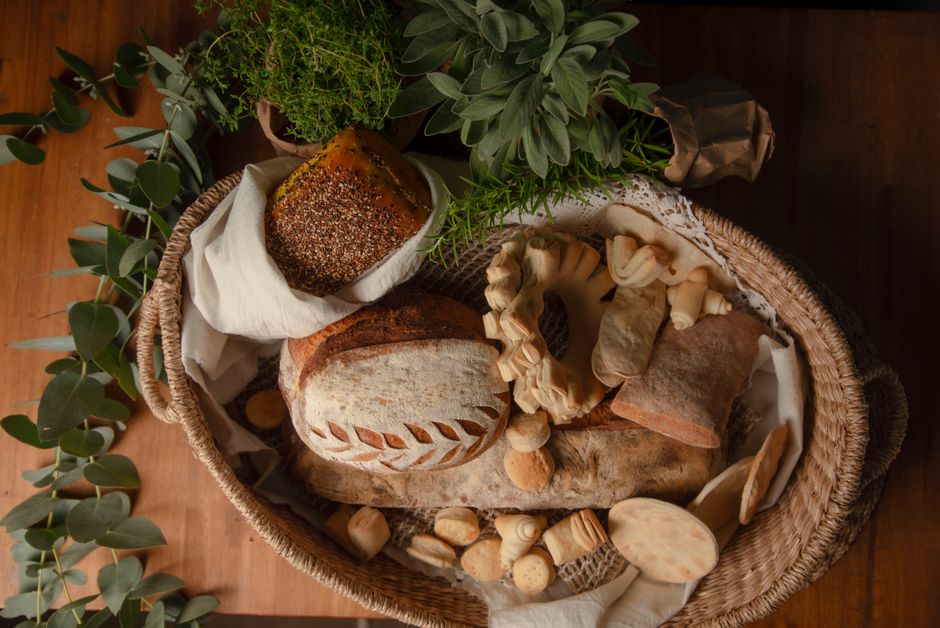
Discover how a simple liquid can transform into a solid food right in your kitchen. This Spark challenges you to turn cream into butter, exploring the amazing physical changes that happen when you shake it! Get ready to prepare a delicious homemade treat for your Thanksgiving table.
Our goal: Learners will observe and describe the physical change of cream becoming butter, understanding how shaking provides the energy to separate fat. They will also identify the distinct parts created during this churning process, like butter and buttermilk.
What You Need
Heavy cream • Jar with lid • Spoon • Bowl • Salt • Cold water • Crackers
and this is just the baseline.
Scan to jump into the app and easily personalize this Spark to match your child's exact learning level and see how Mai will guide this lesson.
Learning Guide
A simple guide to lead you through the kickoff, the core challenge, and everything in between.
Mai’s Tips
- Patience is key: The churning process can take 5-10 minutes of continuous shaking. If the child gets discouraged, remind them that physical changes need energy and time. Taking turns or putting on some music can help keep the energy up!
- Observation focus: The true learning is in observing the process of transformation, not just the final product. Prompt them to notice changes in sound, texture, and how the cream looks as it moves from liquid to solid, to separation.
- Simplify effort: If younger children struggle with the physical effort of shaking, consider pouring the cream into a food processor with a whisk attachment or a stand mixer (with adult supervision) so they can focus on observing the change without fatigue.
- Food Safety: Remind them that homemade butter is fresh and doesn't have preservatives. It should be refrigerated immediately after making and eaten within a few days for the best quality and safety.
For The Grown-Up
- Watch out: Over-working the butter during rinsing (squeezing too hard or too long) can make it greasy and affect its texture. Aim for gentle pressing to remove buttermilk.
- A common mix-up: Children might think butter is a naturally occurring solid, or that cream is just a 'soft' version of butter that hardens with cold, rather than a distinct liquid that undergoes a physical transformation.
- Explain it like this: Making butter is like shaking a jar of marbles and water: the marbles (fat) eventually clump together and separate from the water (buttermilk).
- A big question to ask: If you blended a hard stick of butter in a food processor, could you turn it back into liquid cream, or is the change permanent?
1Breakfast Table Shake-Up 5 min
Start the conversation around your breakfast table with items like butter or milk. Discuss familiar foods and where they come from.
Know Before You Teach
- Good to know: Many Thanksgiving foods, like pie crusts or mashed potatoes, use butter.
- If they ask: Is butter healthy? Butter has fat in it, which gives us energy! Like many foods, it's good in moderation.
- It's working when: Child pointing to butter or other creamy items on the table with a question in their voice.
- If they're stuck: If they don't seem interested in butter, shift to another familiar creamy food like yogurt or milk and ask how that is made.
- Easier: Younger children can focus on identifying foods that are 'creamy' or 'solid' versus 'liquid'.
- Harder: Older children can speculate about the ingredients of butter or the processes that might be involved.
Done when: Child expresses curiosity about butter's origin and how it's made.
2Predict the Shake 8 min
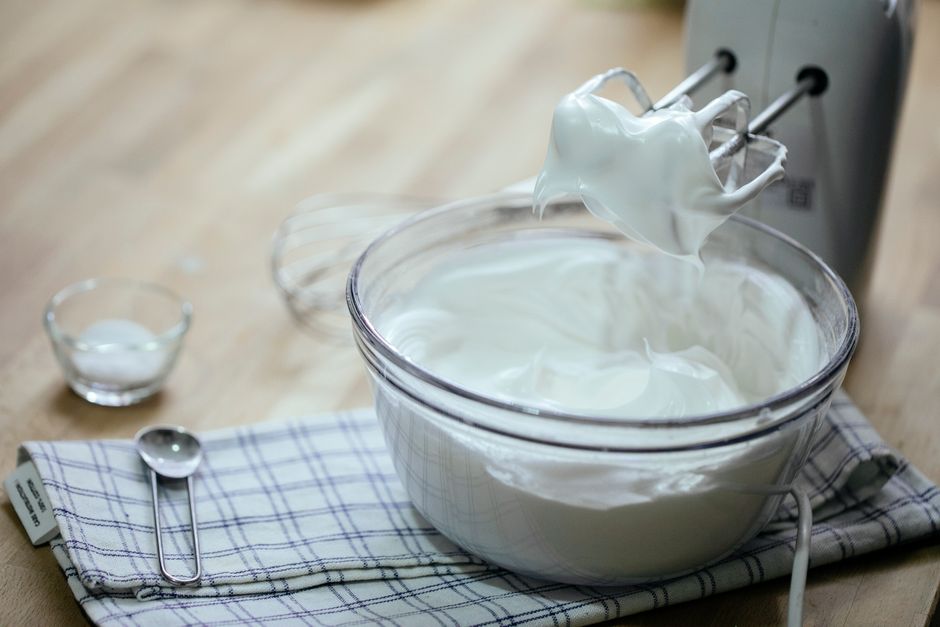
Gather all the materials now. Have the child observe the cream carefully, then predict what will happen when it's shaken.
Know Before You Teach
- Good to know: Heavy cream is primarily fat suspended in water.
- The fat globules in cream are surrounded by a membrane.
- If they ask: Can I use milk instead of cream? Milk has much less fat than cream, so it wouldn't turn into butter with shaking. You need the high fat content of cream.
- Key words: Prediction: What you think will happen before you do an experiment.
- If they're stuck: Suggest they gently swish the cream in the jar first and describe how it moves.
- Easier: Younger children can simply describe the cream's appearance and make a yes/no prediction (will it get thicker?).
- Harder: Older children can describe the cream's properties (viscosity, color) and articulate a hypothesis about the mechanism of change, e.g., 'I think the fat will separate from the liquid.'
Done when: Materials are gathered, and child makes a prediction about what shaking cream will do.

3The Science of Shaking 6 min
Explain that 'phase separation' is when a mixture separates into its parts. Cream is fat and water. Shaking makes the fat clump, separating it from the buttermilk.
Know Before You Teach
- Good to know: Cream is an emulsion (fat droplets dispersed in water).
- Shaking breaks the fat globule membranes, allowing fat to clump.
- Buttermilk is the liquid left after butter forms.
- If they ask: Can we drink the buttermilk? Yes, it's safe to drink! It's different from the cultured buttermilk you might buy, but it's a refreshing byproduct.
- Key words: Mixture: Two or more things combined but not chemically changed, like salt in water.
- Key words: Phase separation: When different parts of a mixture separate from each other, like oil and water.
- It's working when: Child using words like 'separated' or 'two parts' to describe the outcome.
- If they're stuck: If they struggle with 'phase separation,' use the oil and water analogy and ask if they are still mixed or have separated.
- Easier: Younger children can point to the butter and the buttermilk and say 'these two things separated'.
- Harder: Older children can try to explain why the fat and liquid separated, referring to the energy of shaking and how it changed the cream.
Done when: Child can explain in their own words that shaking separates the fat from the liquid, and identifies butter and buttermilk.

4The Butter Makers' Challenge 9 min
Supervise the vigorous shaking of cream until butter forms, then guide the child through rinsing and salting the butter.
Know Before You Teach
- Good to know: Churning causes fat molecules to coalesce.
- If they ask: Why is it turning yellow? The yellow color comes from beta-carotene in the cow's diet, which concentrates in the fat. Different creams might have slightly different colors.
- It's working when: Child noticing the physical change from liquid to thickened cream, then to a lumpy solid.
- If they're stuck: If the cream isn't changing, remind them to shake more vigorously or suggest taking a short break and then continuing with renewed effort.
- Easier: Younger children can focus on the physical act of shaking and pointing out the first solid lumps they see.
- Harder: Older children can time how long it takes for the butter to form and observe the different stages of thickening (whipped cream, then lumps, then separation).
Done when: Butter is formed, rinsed, and ready to taste.

5Taste Test & Takeaways 2 min
Offer the homemade butter for tasting and encourage reflection on the surprising process and taste.
Know Before You Teach
- Good to know: Homemade butter tastes fresher and often richer than commercial butter.
- The process of making food from raw ingredients helps us appreciate where food comes from.
- If they ask: Is this how butter was always made? For thousands of years, people have made butter by churning cream, often in larger churns, but the basic idea is the same!
- If they're stuck: Ask them to describe the feeling of making the butter, not just the taste. Was it hard work? Rewarding?
- Easier: Younger children can simply state if they liked the taste or point out one difference.
- Harder: Older children can discuss the effort involved in making butter and how it connects to historical cooking practices for Thanksgiving.
Done when: Child shares one key observation or feeling about making butter.
Beyond The Spark
Fuel their curiosity beyond the Spark with bonus extras.
Table Talk
The principles of phase separation are used in many industries, from making dairy products to purifying chemicals and even in wastewater treatment.
Did You Know?
Did you know that butter can be made from the milk of cows, goats, sheep, and even buffalo?
Challenge
Try making a flavored butter by mixing in herbs like chives or a tiny bit of honey.
Quick Recap Quiz 4 min
Customize this quiz, add questions, or follow your child's lead! Each question has a 'Parent Tip' to help them find the answer without giving it away.
1. What was the main ingredient we started with to make butter?
- Milk
- Cream
Remind them of the container they poured liquid from.
2. What happened to the cream when we shook it?
- It separated into two parts
- It melted
Think about seeing liquid and solid in the jar.
3. What were the two new things we made from the cream?
- Milk and cheese
- Butter and buttermilk
Recall what was left in the jar and what was poured out.
4. Why is it important to rinse the butter after it forms?
- To get out the buttermilk so the butter lasts longer
- To make it taste saltier
Think about what the buttermilk does to butter if left in.
Loved This Spark?
Scan to jump into the app and explore similar Sparks in our Sparks Hub. New to Mai? Start free with 10 Sparks, no credit card needed.