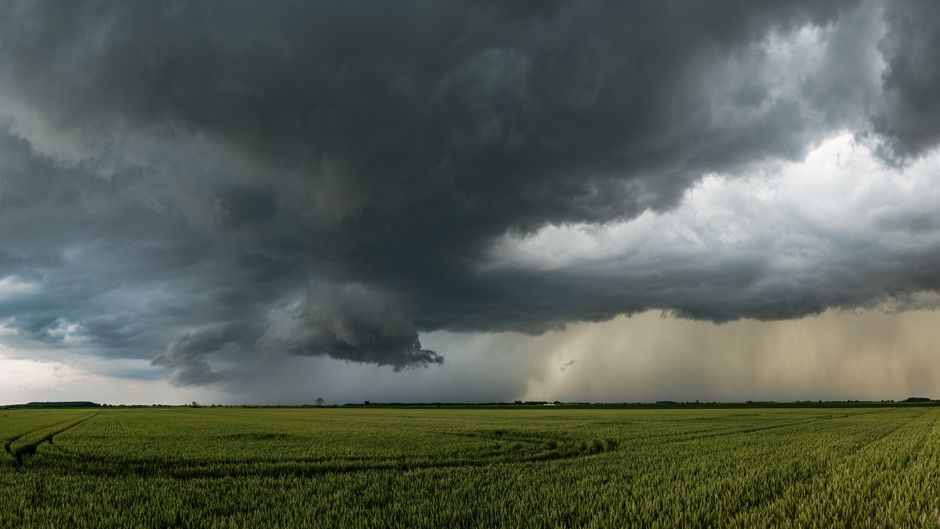
Craft Your Weather Station
Transform your backyard into a weather observation hub! Learn about different weather phenomena by building simple tools to measure wind direction and rainfall, then use them to become a real-life weather scientist.
Our goal: In this spark, your learner will design and construct basic weather instruments from household materials, understand how to measure and observe wind direction and rainfall, practice scientific observation and data collection skills and connect weather phenomena to daily life and environmental changes.
What You Need
Plastic Bottle • Drinking Straw • Cardboard • Paperclip • Tape • Pencil • Ruler • Scissors
and this is just the baseline.
Scan to jump into the app and easily personalize this Spark to match your child's exact learning level and see how Mai will guide this lesson.
Learning Guide
A simple guide to lead you through the kickoff, the core challenge, and everything in between.
Mai’s Tips
- When building the wind vane, make sure the paperclip pivot point is perfectly balanced on the straw for accurate spinning. Test it frequently during construction.
- For the rain gauge, ensure the bottle is placed on level ground outside and the measurement scale is clearly marked. Encourage daily checking for consistent data collection.
1Introduction 5 min
Start by asking your child about different types of weather they observe around their home. Encourage them to share their own experiences and predictions based on what they see. Then, ask them to think about how people know what the weather will be.
Ask: "What kinds of weather do you notice most often around your home?"
Ask: "Have you ever tried to guess what the weather will be like tomorrow?"
Ask: "What tools do you think meteorologists use to predict the weather?"
Done: Child engages with the questions and shares initial thoughts about weather.
Done when: Student engages with the questions and shares initial thoughts about weather.

2Explore & Plan 8 min
Lay out all the materials: a plastic bottle, drinking straw, cardboard, paperclip, tape, pencil, ruler, and scissors. Ask your child to identify which materials they think would be useful for building a rain gauge and a wind vane. Guide them by discussing how each tool works.
Rain Gauge: A tool that collects and measures the amount of rain that falls in a specific area. You recognize it by its clear container and a scale for measuring water. Why: It helps us know how much water plants and gardens are getting.
Wind Vane: A tool that shows the direction the wind is blowing from. You recognize it by a shape that spins freely on a pivot. Why: It helps us know if the wind is coming from the North, South, East, or West.
Ask: "What materials here could we use to make a rain gauge?"
Ask: "How could we make something that collects water and measures it?"
Ask: "What materials could work for a wind vane, and how would it move?"
Ask: "Which way would the wind vane point if the wind is blowing from the west?"
Done: Child identifies suitable materials and verbally outlines a basic plan for building each instrument.
Done when: Student helps identify suitable materials and verbally outlines a basic plan for building each instrument.

3Discussion 6 min
Encourage your child to connect the purpose of the tools to real-world applications. Prompt them to think about who uses weather information and why it’s important for various jobs and daily life.
Ask: "Why is it helpful to know how much rain falls?"
Ask: "Who might need to know which way the wind is blowing?"
Ask: "Why is knowing about rain important for farmers?"
Ask: "How does wind direction affect airplanes or sailing boats?"
Done: Child can explain the basic utility of a rain gauge and wind vane in real-world contexts.
Done when: Student can explain the basic utility of a rain gauge and wind vane in real-world contexts.
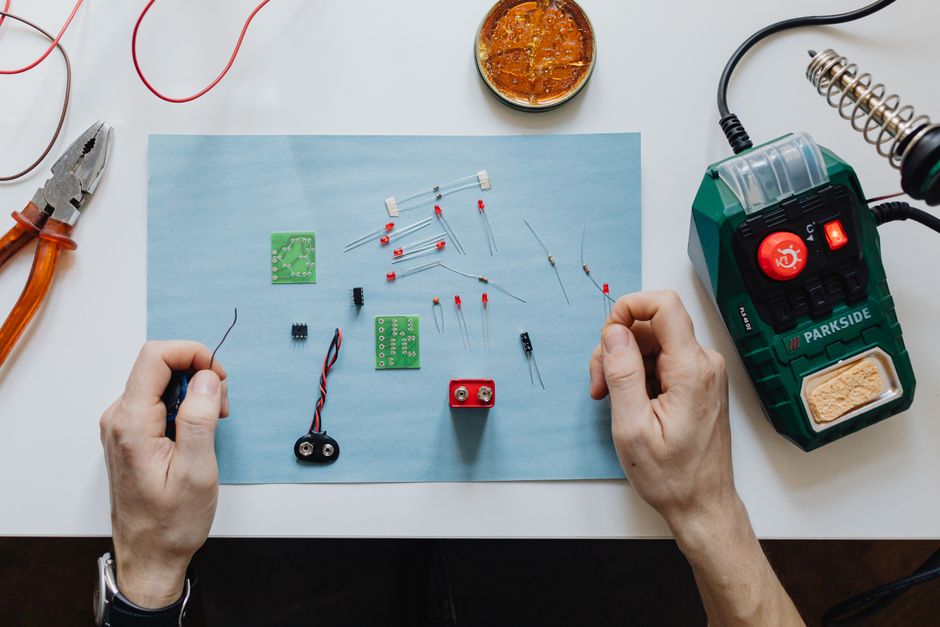
4Activity 9 min
Facilitate the building process, allowing your child to take the lead in constructing both the rain gauge and the wind vane. Offer help only when requested or if they seem stuck. Supervise cutting with scissors when necessary.
For the Rain Gauge:
1. Cut off the top of the plastic bottle just below the curve.
2. Invert the top and place it upside down into the bottle base like a funnel. Secure with tape if needed.
3. Place pebbles or stones in the bottom for stability.
4. Attach a paper strip or ruler vertically, starting '0' at the funnel's bottom.
For the Wind Vane:
1. Flatten one straw end. Cut a cardboard triangle and tape it on (arrow tail).
2. Tape a cardboard arrow point shape to the other straw end.
3. Carefully push a paperclip through the straw's exact center, ensuring it spins freely.
4. Push the open paperclip end into a pencil's eraser.
5. Push the pencil into a small piece of cardboard or modeling clay for a stable base. Write North, South, East, West on the base.
Ask: "What happens if the straw doesn't spin easily on the paperclip?"
Ask: "How can we make sure our rain gauge won't blow away in the wind?"
Done: A functional rain gauge and wind vane are successfully constructed.
Done when: Student has successfully constructed a functional rain gauge and wind vane.

5Summary 2 min
Celebrate your child's accomplishment in building their own weather station instruments. Ask them to reflect on the process and what they learned. Encourage them to think about where they'll place their weather station and how they will use it to observe the weather daily.
Ask: "What was the trickiest part of building your weather station?"
Ask: "What part did you enjoy the most?"
Ask: "Where will you place your weather station to get the best readings?"
Ask: "How will you use your new instruments to observe the weather daily?"
Done: Child shares one key takeaway or a feeling about their accomplishment.
Done when: Student shares one key takeaway or a feeling about their accomplishment.
Beyond The Spark
Fuel their curiosity beyond the Spark with bonus extras.
Table Talk
Meteorologists use much more complex versions of these instruments to collect data, which helps them create weather forecasts that impact everything from farming to travel.
Challenge
Create a simple weather journal! For the next week, check your rain gauge and wind vane daily, record your observations, and draw pictures of the sky and clouds.
Quick Recap Quiz 4 min
Customize this quiz, add questions, or follow your child's lead! Each question has a 'Parent Tip' to help them find the answer without giving it away.
1. What does a rain gauge primarily measure?
- Wind speed
- Amount of rainfall
Remind them of the rain gauge's purpose – what does it 'catch'?
2. What is the main function of a wind vane?
- To show wind direction
- To measure air temperature
Ask them what part of a wind vane moves and what that movement tells us.
3. Why is it important to place your weather station in an open area?
- So it's easy to see from inside the house
- To get accurate readings without obstructions
Think about what might block rain or wind if the station is too close to trees or buildings.
4. How can observing daily weather help us in real life?
- It helps us decide what to wear and plan outdoor activities
- It helps us learn about distant planets
Relate weather to everyday decisions, like bringing an umbrella or wearing a coat.
Loved This Spark?
Scan to jump into the app and explore similar Sparks in our Sparks Hub. New to Mai? Start free with 10 Sparks, no credit card needed.