
Craft Your New Year!
This Spark explores the meaning and practices of New Year's Day celebrations around the world. Children will observe diverse traditions, understand what makes a custom a 'tradition,' and then create their own unique way to mark the new year.
Our goal: Learners will understand what makes a custom a tradition by exploring diverse New Year's celebrations from around the globe. They will then be able to invent a new, meaningful tradition to mark the new year with their own family or community.
What You Need
Paper • Pencils or markers
and this is just the baseline.
Scan to jump into the app and easily personalize this Spark to match your child's exact learning level and see how Mai will guide this lesson.
Learning Guide
A simple guide to lead you through the kickoff, the core challenge, and everything in between.
Mai’s Tips
- Observe, don't instruct: In Stage 2, the goal is for the child to actively observe and interpret the image themselves. Resist the urge to point out specific details or explain what's happening immediately. Let their eyes and curiosity lead.
- Concept vs. example: When defining 'tradition' in Stage 3, the common pitfall is letting the child just repeat examples. Nudge them to explain why something is a tradition (it's repeated, it has meaning) rather than just listing what they saw or heard.
- Simplify the design: If designing a whole new tradition in Stage 4 feels too big, simplify. Ask them to just think of one small, special thing they could do every New Year's Day. 'What's one special food you'd always eat?' or 'What's one special song you'd always sing?'
1Introduction 5 min
Open the Spark by talking about how we mark beginnings and endings in everyday life. This helps build a bridge to understanding New Year's Day as a significant start. Discuss what changed. Ask them:
- How do you know when a school year is over, or when a new one begins?
- What special things happen on your birthday, which marks the start of a new year for you?
Know Before You Teach
- Good to know: New Year's Day is a global holiday marking the start of a new calendar year.
- Many cultures use rituals to signify transitions, not just New Year's.
- If they ask: Why do we even celebrate New Year's? It's a way to mark time, reflect on the past year, and look forward to new opportunities and a fresh start.
- It's working when: The child sharing personal examples of beginnings or endings.
- If they're stuck: Ask about the start of their favorite season or a big family trip beginning.
- Easier: Focus only on their birthday as a beginning.
- Harder: Ask them to think about how nature marks beginnings and endings (e.g., seasons).
Done when: Student shares one way they recognize a beginning or an end.

2Visual Learning 8 min
Have your child look closely at the provided image. Guide their observation with open-ended questions. Encourage them to notice details and infer what might be happening.
- What do you see in this picture that looks like a celebration?
- Can you point to something interesting you haven't seen before?
- What do you think people are doing in this part of the picture, and why?
Know Before You Teach
- Good to know: New Year's is celebrated on different dates in different cultures (e.g., Lunar New Year, Rosh Hashanah).
- Common elements across cultures include special foods, family gatherings, fireworks, and expressions of hope.
- If they ask: Is that a real celebration? Yes, all the scenes here represent real ways people celebrate New Year's in different parts of the world.
- It's working when: The child actively pointing to and describing elements in the image.
- If they're stuck: Point to one specific element and ask, 'What do you think that is?'
- Easier: Ask yes/no questions about specific items in the picture (e.g., 'Do you see fireworks?').
- Harder: Ask them to guess which country or culture a specific tradition might come from, based on visual cues.
Done when: Student points out at least three different details or activities in the image.
3Discussion 6 min
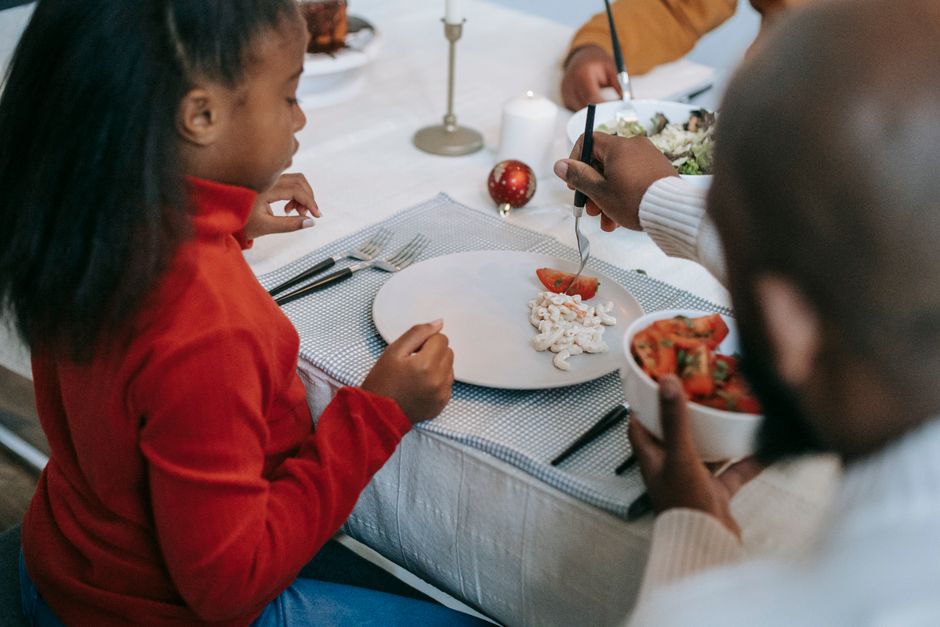
First, ask what they think a tradition is. Then, introduce the concept of a tradition: something people do regularly, often year after year, or passed down from older generations. It's recognized by repeated actions, often shared by a group, usually with special meaning. For example, singing 'Happy Birthday' is a tradition. Then, ask:
- What traditions did you spot in the picture?
- Does your family have a special New Year's tradition?
- If you and your friends decided to always wear a specific color on the first day of summer, would that become a tradition? Why?
Know Before You Teach
- Good to know: Traditions provide a sense of continuity, belonging, and identity.
- They often carry symbolic meaning, connecting people to their past, present, and future.
- If they ask: Can new things become traditions? Absolutely! If a family or group decides to do something special every year, and it gains meaning, it can become a new tradition.
- Key words: tradition: Something people do regularly, often year after year, or that has been passed down from older generations, usually with special meaning.
- If they're stuck: Give an example of something that is NOT a tradition (e.g., 'Eating pizza for dinner last Tuesday – was that a tradition? Why not?').
- Easier: Focus on very simple, concrete traditions they know well, like birthday cake.
- Harder: Ask them to think about why some traditions might change over time, or why new ones might start.
Done when: Student can explain the core concept of a tradition in their own words, without reciting the examples they were given, and apply it to a case that was not mentioned.
4Activity 9 min
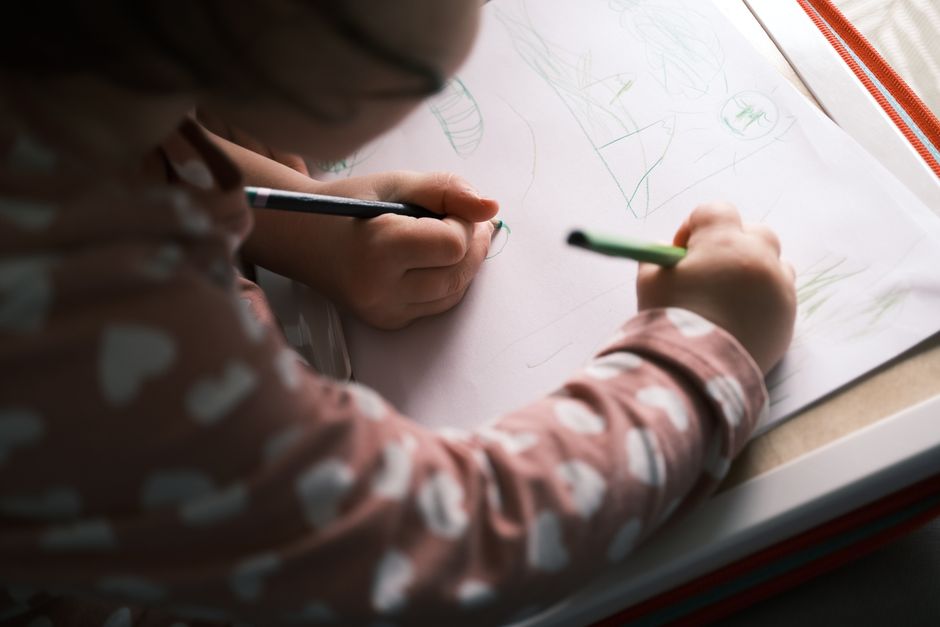
Give your child paper and pencils or markers. Challenge them to invent a brand new New Year's tradition for their family or community. Facilitate their brainstorming and design process. What finished looks like is at least one idea, drawn or written.
- What would your new tradition be?
- What would people do, see, or eat during this tradition?
- What feeling would you want your tradition to create for everyone?
Know Before You Teach
- Good to know: Successful traditions are often simple, repeatable, and meaningful to those involved.
- If they ask: What if my idea is silly? All ideas are welcome! Sometimes the most fun traditions start with a silly idea. What matters is if it's special to you.
- It's working when: The child articulating both an action and a reason/feeling for their tradition.
- If they're stuck: Suggest they think about their favorite part of any holiday and imagine making that a New Year's tradition.
- Easier: Have them just draw one thing that would be part of their tradition, like a special food or decoration.
- Harder: Ask them to consider how their tradition would work if different generations (grandparents, parents, kids) were all involved.
Done when: Student has drawn or described at least one element of their new New Year's tradition.

5Summary 2 min
Wrap up the Spark by reflecting on the importance of traditions and their creative design. Ask:
- What was your favorite part about imagining your own tradition?
- Why do you think traditions are important to people?
Know Before You Teach
- Good to know: Reflection helps consolidate learning and connect new concepts to personal experience.
- Shared rituals and celebrations strengthen family and community bonds.
- Easier: Ask them to just name one thing they liked about their invented tradition.
- Harder: Ask them to explain how their invented tradition helps celebrate 'new beginnings'.
Done when: Student shares one key takeaway from designing their tradition or about traditions in general.
Beyond The Spark
Fuel their curiosity beyond the Spark with bonus extras.
Table Talk
Understanding traditions helps us appreciate cultural diversity and the shared human need for celebration and connection across communities.
Did You Know?
People celebrated New Year over 4,000 years ago!
Challenge
Research a New Year's tradition from a country you've never heard of. What makes it unique, and how is it similar to or different from traditions you know?
Quick Recap Quiz 4 min
Customize this quiz, add questions, or follow your child's lead! Each question has a 'Parent Tip' to help them find the answer without giving it away.
1. What is a New Year's tradition?
- Something you only do once
- Something people do regularly every year
Remind them that traditions are about doing things over and over again.
2. Why do people have traditions for New Year's Day?
- To mark a special time and feel connected
- Just to be busy on the holiday
Ask them how they feel when they do something special with family or friends.
3. Which of these is most likely a New Year's tradition?
- Eating a new type of fruit just once
- Eating 12 grapes at midnight every New Year's Eve
Focus on the 'every year' part of the definition of tradition.
4. If you design a new tradition, what should you think about?
- What people will do and how it will make them feel
- Only the most expensive things to buy
Guide them to remember the purpose and meaning behind traditions, not just the action.
Loved This Spark?
Scan to jump into the app and explore similar Sparks in our Sparks Hub. New to Mai? Start free with 10 Sparks, no credit card needed.