
Crack the pH Code
This lesson challenges learners to become 'pH Detectives' using a homemade indicator to classify common household liquids. They'll explore the chemical properties of everyday substances and understand the concept of pH.
Our goal: In this spark, your learner will construct a natural pH indicator using red cabbage, classify household substances as acids or bases based on color changes and explain the importance of pH in everyday life and various applications.
What You Need
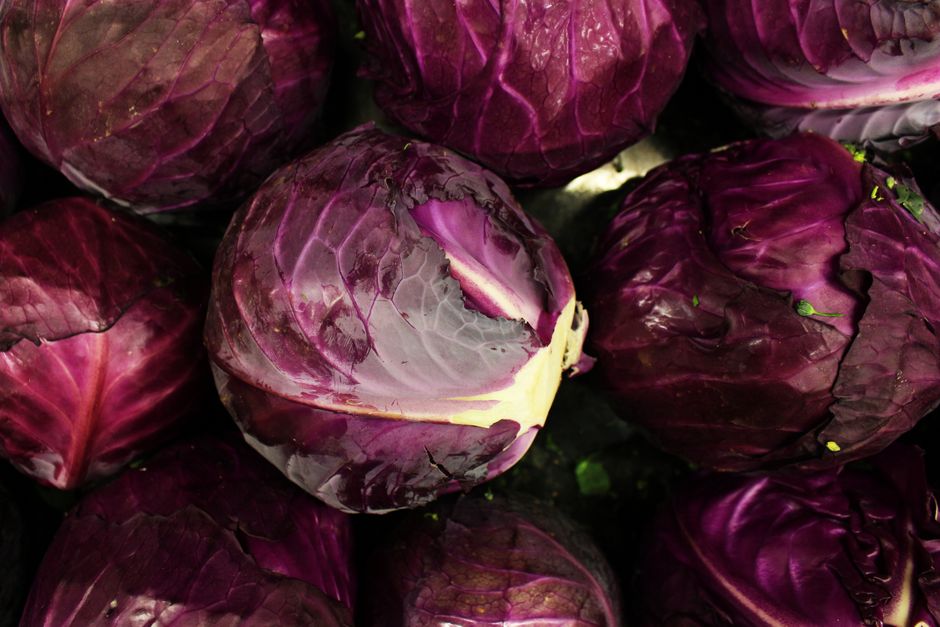
Red Cabbage • Hot Water • Bowl • Strainer • Cup • Small Cups • Household Liquids • Indicator liquid
and this is just the baseline.
Scan to jump into the app and easily personalize this Spark to match your child's exact learning level and see how Mai will guide this lesson.
Learning Guide
A simple guide to lead you through the kickoff, the core challenge, and everything in between.
Mai’s Tips
- Encourage the student to lead every physical step of the activity, even if it means some mess. Your role is primarily observational and questioning.
- Don't worry about perfect scientific definitions during the activity. Focus on observation, prediction, and critical thinking. The specific terms can be refined later.
Prep Before Session 15 min
- Gather one head of red cabbage.
- Collect a strainer, a mixing bowl, and at least six small clear cups or glasses.
- Select 3-5 common clear household liquids like lemon juice, vinegar, baking soda (dissolved in water), dish soap (diluted with water), or seltzer.
- Ensure you have access to hot water.
1Introduction 5 min
Engage the student by asking about their prior knowledge of acids and bases. Ask: "Have you ever heard of something being 'acidic' or 'basic'? What does that make you think of?" Then, prompt them to consider the practical side: "Why do you think it might be useful to know if something is one or the other?" Briefly explain that an acid is a substance that often tastes sour and feels sharp, like lemon juice or vinegar, and typically turns our indicator reddish/pink. A base is its opposite, often tasting bitter and feeling slippery, like soap or baking soda, and will turn our indicator blue/green. Knowing this helps us understand different substances. The stage is complete when the student has shared their thoughts and engaged with the initial questions.
Know Before You Teach
- Good to know: The red cabbage indicator will turn reddish or pink for acids, and blue or green for bases.
- If they ask: Can I taste the acid/base? No, some acids and bases are dangerous; we only taste things that are clearly safe foods.
- If they ask: Why do cleaning products mention pH? Understanding pH helps us know what cleaners work best for certain messes or if they are safe for different surfaces.
- Key words: indicator: A special substance that changes color to show if something is an acid or a base.
- It's working when: Student offers an example of an acid or base, or mentions a situation where knowing this might be useful.
- If they're stuck: Think about foods that make your mouth pucker, or things that feel slimy when you touch them.
- Easier: Provide two labeled examples, 'This is an acid, this is a base,' and ask which characteristic (sour/slippery) matches each.
- Harder: Ask them to consider a situation where having both an acid and a base together might be useful.
Done when: Student engages with the initial questions, sharing thoughts or observations.
2Explore & Plan 8 min
Have the student gather the red cabbage, hot water, a bowl, a strainer, and a cup. Ask them: "How do you think chopping the cabbage and adding hot water will help us get this special liquid?" Also ask for predictions: "What do you predict will happen when we add this purple liquid to different things like lemon juice or baking soda?" Guide the student to chop about a quarter of the red cabbage into small pieces. Have them place the chopped cabbage in the bowl and pour enough hot water over it to just cover the cabbage. Let it sit for 10-15 minutes, stirring occasionally, until the water turns a deep purple. Finally, have them strain the liquid into a clean cup. This is their homemade pH indicator. The stage is complete when the indicator is prepared and the student has made predictions about color changes.
Know Before You Teach
- Good to know: Chopping the cabbage increases its surface area, which allows more of the pigment to be released.
- If they ask: Can I use cold water? Cold water works, but it takes a lot longer to get the color out, and we want our indicator ready quickly.
- If they ask: What is this purple liquid called again? It's our homemade pH indicator, the special liquid that shows us if something is an acid or a base.
- It's working when: Student can explain that chopping and hot water help get the 'color out' to make their indicator.
- If they're stuck: Imagine you're making tea; how do you get the flavor out of the tea leaves quickly?
- Harder: Ask them to consider what other natural things might make good indicators and why.
Done when: Student has discussed the indicator preparation, made predictions about color changes, and is ready to prepare the indicator.
3Discussion 6 min
With the indicator ready, ask the student to refine their predictions. Ask: "Based on what you know about things like lemons or soap, which ones do you think might be acids and which might be bases?" Encourage them to explain their reasoning. Introduce the concept of pH: this is a measure of how acidic or basic a substance is. Acids have a low pH, and bases have a high pH. This 'code' helps us understand chemical properties. Ask: "What does 'pH' even mean, and how do you think it relates to these different substances?" The stage is complete when the student has articulated a basic understanding of acids, bases, and pH, and has made informed predictions.
Know Before You Teach
- Good to know: pH is a numerical scale that tells us how acidic or basic a substance is.
- A low pH number (below 7) means the substance is acidic.
- If they ask: What's a neutral pH? A neutral pH is 7, right in the middle, meaning it's neither an acid nor a base, like pure water.
- If they ask: Why is it called 'pH'? The 'p' stands for 'power of' and the 'H' stands for hydrogen, because it measures the concentration of hydrogen ions.
- If they're stuck: Think about the sourness of lemon juice; do you think that means it has a high or low pH number?
- Easier: Provide a list of liquids and ask them to simply sort them into 'acid' or 'base' piles based on initial knowledge.
- Harder: Ask them to predict the relative order of acidity for three different liquids, like lemon juice, vinegar, and soda.
Done when: Student can articulate a basic understanding of what acids and bases are, and has made informed predictions about the household liquids.

4Activity 9 min
Have the student gather 3-5 different clear household liquid samples (e.g., lemon juice, vinegar, baking soda solution, dish soap solution) and separate small cups. Ensure safety and remind them not to ingest the liquids. Have them pour a small amount of each liquid into separate clear cups. Then, instruct them to add a few drops of the red cabbage indicator to each cup. As they do, encourage careful observation and ask: "What do you observe? How do these color changes compare to your predictions?" Let the student conduct all the pouring and mixing. The stage is complete when the student has tested all chosen household liquids and observed the color changes.
Know Before You Teach
- Good to know: The anthocyanin pigment in red cabbage reacts to the presence of hydrogen ions, which determine the pH.
- Acids (low pH) will typically cause the indicator to turn red, pink, or magenta.
- If they ask: Why did this one turn orange instead of red? The specific shade of color, like orange, can tell us exactly how strong the acid or base is, not just that it's an acid or a base.
- If they ask: Can we drink this now? No, even if the liquids were safe before, mixing them with unknown substances means we definitely shouldn't taste or drink them.
- It's working when: Student meticulously adds the indicator to each sample, observes the color changes, and articulates how they compare to their predictions.
- If they're stuck: What do you notice about the color of the liquid before you add the indicator? And after?
- Easier: Only test two substances, one clear acid and one clear base, with very distinct color changes.
- Harder: Ask them to try to find a 'neutral' household liquid that causes the indicator to stay close to its original purple color.
Done when: Student has completed testing all chosen household liquids and observed the color changes.

5Summary 2 min
Celebrate the student's efforts as a 'pH Detective.' Ask: "What was the most surprising color change you saw today?" Then, guide them to consider real-world applications: "How do you think understanding acids and bases could be useful in cooking, cleaning, or even in our own bodies?" Encourage them to connect their discoveries to everyday life. The stage is complete when the student shares a key takeaway or connection from the lesson.
Know Before You Teach
- Good to know: Knowing if something is an acid or a base is important for many daily activities, including cleaning and cooking.
- Our bodies carefully control the pH of different parts, such as our stomach which is acidic for digestion, and our blood which is slightly basic for overall health.
- Acidic foods like lemons or vinegar are used in cooking for flavor and to help preserve food.
- If they ask: Why do some shampoos say 'pH balanced'? That means they are made to match the natural pH of your skin and hair, which helps keep them healthy.
- If they ask: Is all rain acidic? Normal rainwater is slightly acidic because of natural carbon dioxide in the air, but 'acid rain' is much more acidic due to pollution.
- If they're stuck: Think about cleaning: have you ever heard of using vinegar to clean something, or baking soda for another task?
- Easier: Ask them to name just one new thing they learned about acids or bases today.
- Harder: Ask them to think of a job or profession where understanding pH would be really important.
Done when: Student shares one key takeaway or connection from the lesson.
Beyond The Spark
Fuel their curiosity beyond the Spark with bonus extras.
Table Talk
Understanding pH is crucial for farmers testing soil, scientists developing medicines, and even chefs perfecting recipes.
Challenge
Design a 'pH Scale' poster showing the colors produced by your indicator for different substances, from most acidic to most basic. Can you find other natural indicators, like blueberries or turmeric?
Quick Recap Quiz 4 min
Customize this quiz, add questions, or follow your child's lead! Each question has a 'Parent Tip' to help them find the answer without giving it away.
1. What is the main purpose of our red cabbage indicator?
- To make food colorful
- To show if a liquid is an acid or a base
Remind them of the color changes and what they signified.
2. If a liquid turns reddish/pink with the indicator, what is it likely to be?
- An acid
- A base
Refer back to the observation for lemon juice or vinegar.
3. What does 'pH' primarily measure?
- The temperature of a liquid
- How acidic or basic a substance is
Relate it back to the 'code' we were trying to crack.
4. Why is it useful to know the pH of substances in real life?
- It helps us understand and control chemical reactions in many fields.
- It mainly helps us decide if something tastes good.
Think about the examples discussed for cooking, cleaning, or health.
Loved This Spark?
Scan to jump into the app and explore similar Sparks in our Sparks Hub. New to Mai? Start free with 10 Sparks, no credit card needed.