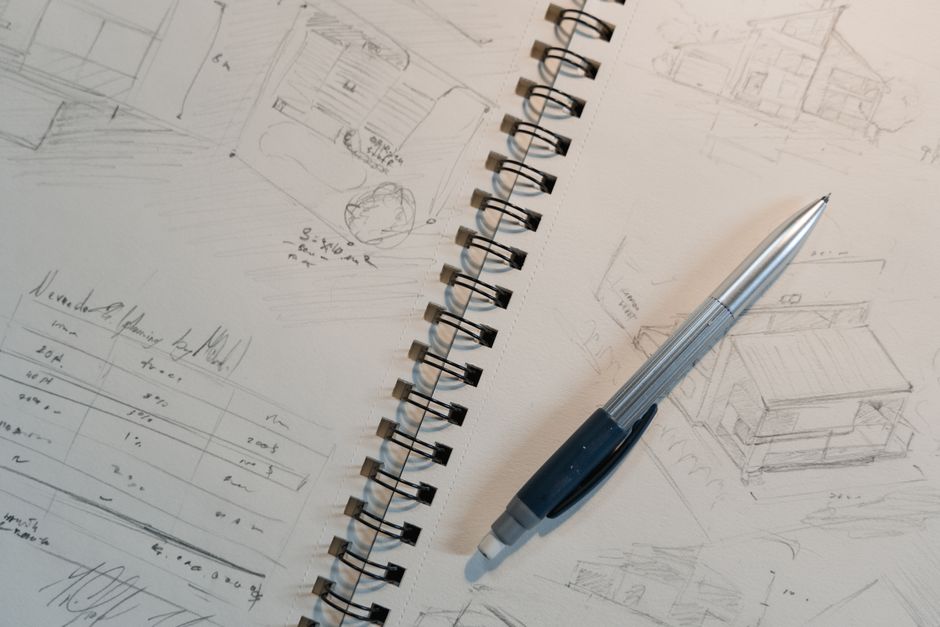
Build Your Dream Home
Imagine you're an architect for a day! This challenge invites you to design and build a model of your ultimate dream home. You'll consider what makes a home special and how different spaces work together.
Our goal: In this spark, your learner will plan and sketch a functional living space based on personal needs, construct a simple 3D model using everyday materials and identify key considerations for home design, such as rooms and purpose.
What You Need
Paper • Pencils • Scissors • Tape • Tape/Glue
and this is just the baseline.
Scan to jump into the app and easily personalize this Spark to match your child's exact learning level and see how Mai will guide this lesson.
Learning Guide
A simple guide to lead you through the kickoff, the core challenge, and everything in between.
Mai’s Tips
- Encourage younger children to focus on drawing big, simple shapes for rooms and just getting their ideas down, while older kids can consider more complex layouts or structural details.
- If the model falls apart, frame it as a design challenge rather than a mistake. Ask: 'How could we make it stronger next time?' and 'What have you learned from this?'
1Introduction 5 min
Start by asking about their favorite parts of any home they know, encouraging them to think about what makes a space comfortable or functional. Ask: "What are your favorite parts of our home, or a home you've visited?" Then introduce the term "architect." An architect is someone who designs buildings; they plan how a building will look and work before it's built, thinking about rooms, materials, and how people will use the space. Ask: "What do you think an architect does?" Finally, ask: "What makes a house a 'home' to you?"
Done: They express initial thoughts on what makes a home and what an architect might do.
Done when: Student expresses initial thoughts on what makes a home and what an architect might do.

2Explore & Plan 8 min
Help them brainstorm ideas for their dream home. Ask: "What kinds of rooms would your dream home absolutely need?" and "What special features would you include, and why are those important to you?" Then, guide them in sketching a simple floor plan on paper. A floor plan is a drawing that shows you what a building looks like from above, as if the roof were off. It helps architects plan where everything goes. Focus on functionality. Ask: "Where will the kitchen go in your design?" and "How will you get from the living room to the bedroom?" Finally, gather the necessary materials: paper, pencils, scissors, and tape/glue.
Done: They have brainstormed ideas and sketched a simple plan for their dream home.
Done when: Student has brainstormed ideas and made a simple sketch or plan for their dream home.

3Discussion 6 min
Have them articulate their design choices first. Encourage deeper thinking using Socratic questions. Ask: "Why did you decide to put the kitchen next to the dining area?" or "What's the purpose of this room?" Also ask: "How does this part connect to that part?" and "What challenges might you face trying to build this design?" Only prompt with additional questions if they seem stuck.
Done: They can explain the core concepts behind their design choices in their own words.
Done when: Student can explain the core concepts behind their design choices in their own words.

4Activity 9 min
Support them as they cut out the shapes for their walls and roof from paper. Remind them to leave extra tabs if they want to glue or tape them together easily; younger children might need direct help with cutting. Next, help them fold the paper pieces and use tape or glue to connect them, building a 3D model of their home. Encourage them to try different ways to make walls stand up, like folding tabs or creating L-shapes. Ask: "How will you make sure your walls stand up tall and strong?" Emphasize that the goal is the process of building and problem-solving, not perfection. Finally, encourage them to add windows, doors, or tiny furniture drawings to decorate their model.
Done: They have completed building a 3D model of their dream home.
Done when: Student has completed the physical activity of building a 3D model of their dream home.

5Summary 2 min
Celebrate their effort and creativity in designing and building. Ask: "What was the most challenging part of being an architect today?" and "What's one thing you learned about designing a space that you didn't know before?" Have them share their favorite part of their finished model and ask: "What might you do differently next time?" Connect their learning to real-world homes and buildings they see every day.
Done: They share one key takeaway or reflection about the design and building process.
Done when: Student shares one key takeaway or reflection about the design and building process.
Beyond The Spark
Fuel their curiosity beyond the Spark with bonus extras.
Table Talk
Architects, engineers, and construction workers use planning and building skills to create all the buildings we live, work, and play in.
Challenge
Design and build some tiny paper furniture for one of your dream home rooms, or create a small garden outside!
Quick Recap Quiz 4 min
Customize this quiz, add questions, or follow your child's lead! Each question has a 'Parent Tip' to help them find the answer without giving it away.
1. What's the first step an architect usually takes when designing a house?
- Start building immediately
- Draw a plan or sketch
Hint: Think about what you did before you started cutting and taping.
2. Why is it important for an architect to think about what each room will be used for?
- To make the home functional and comfortable
- To make the home more expensive
Hint: If you put a kitchen in the bedroom, would it be easy to cook?
3. What soft skill did you use most when trying to make your paper walls stand up?
- Memorizing facts
- Perseverance and problem-solving
Hint: Did you give up right away, or did you keep trying different ways?
4. Who uses design and building skills in their daily jobs?
- Architects and construction workers
- Chefs and musicians
Hint: Think about the people who create the buildings around us.
Loved This Spark?
Scan to jump into the app and explore similar Sparks in our Sparks Hub. New to Mai? Start free with 10 Sparks, no credit card needed.