Build Multiplication Fun
Discover multiplication as a quick way to count groups! You'll use everyday items to build different multiplication puzzles and games, making math tangible and fun. This lesson emphasizes understanding 'groups of' and 'rows of' instead of just memorizing facts.
Our goal: Learners will grasp that multiplication is a shortcut for counting equal groups, moving beyond rote memorization. They will apply this understanding by building and solving multiplication puzzles with everyday objects. This will empower them to represent multiplication problems using arrays and explain their solutions.
What You Need
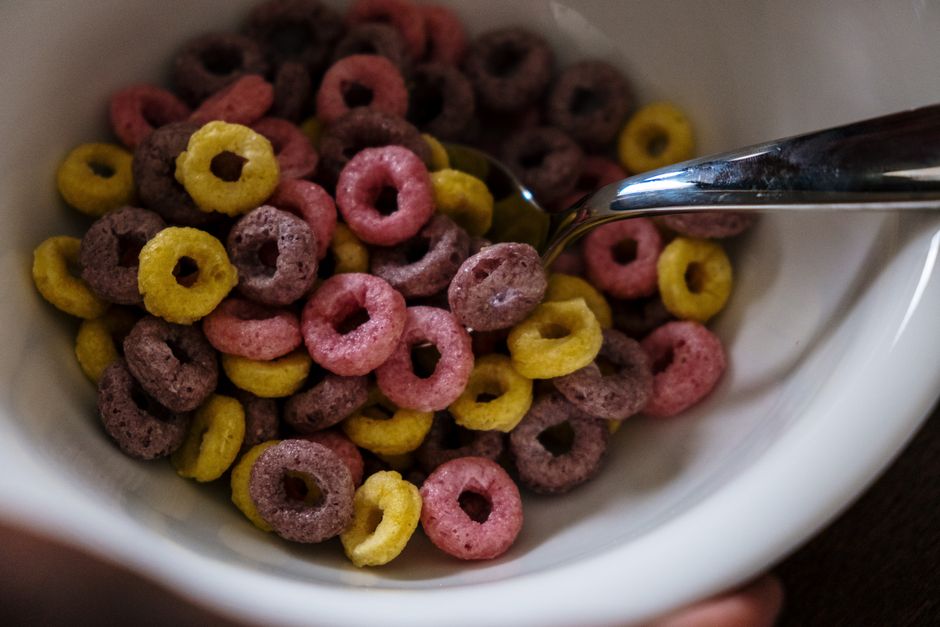
Small countable items • Paper • Pencil • Cereal O's • Small toys
and this is just the baseline.
Scan to jump into the app and easily personalize this Spark to match your child's exact learning level and see how Mai will guide this lesson.
Learning Guide
A simple guide to lead you through the kickoff, the core challenge, and everything in between.
Mai’s Tips
- Active discovery: The goal is for the child to discover that multiplication is efficient for equal groups, not to be told. Let them physically arrange and count first, then name the concept.
- Common misconception: Children often think multiplication is just memorizing facts. Guide them to see it as a tool for counting groups. If they struggle with '4 x 3', prompt them to 'make 4 groups of 3' and count those groups.
- Simplify: If the concept isn't landing, focus on very small numbers (e.g., '2 groups of 2'). Use their fingers or very distinct small groups they can easily manipulate. Have them physically move the items together when 'adding' the groups.
For The Grown-Up
- Try this: When they encounter a multiplication problem, have them physically build the groups with their items (e.g., for '3 x 4', make 3 separate groups of 4 items each) and then count the total. This connects the abstract fact to a concrete quantity.
- Explain it like this: Think of an egg carton or a muffin tin. Each row or cup is a 'group', and they all hold the same number (e.g., 6 cups in two rows, or 1 egg per cup). Multiplication helps you quickly count the total.
- A big question to ask: If you needed to split 11 candies equally among 3 friends, could you use multiplication to figure out exactly how many each friend gets? Why or why not?
1Breakfast Counting Challenge 5 min
Draw attention to a countable item on the breakfast table. Prompt them to think about how many there are and if there's a quicker way to count than one by one. This stage is about setting a curiosity hook.
Done when: Student identifies a quantity of items and expresses curiosity about faster counting.

2Explore & Plan: Grouping Games 8 min
Gather your chosen small items. Discuss ways to arrange them into equal groups or rows to make counting easier. Encourage predictions about which arrangements are easiest to count. Let them physically try different arrangements.
Done when: Student has physically arranged items into at least two different grouping patterns (e.g., 2 groups of 3, then 3 groups of 2) and discussed their predictions.

3Discussion: What is Multiplication? 6 min
After they've explored groups, introduce the term 'multiplication' as a shortcut for counting equal groups (repeated addition). Use their arrangements as examples. Explain what it is, how to recognize it, give examples, and a simple 'why'.
Done when: Student can explain that multiplication helps count equal groups, and can identify a simple multiplication problem (e.g., '3 groups of 5') in their own words.
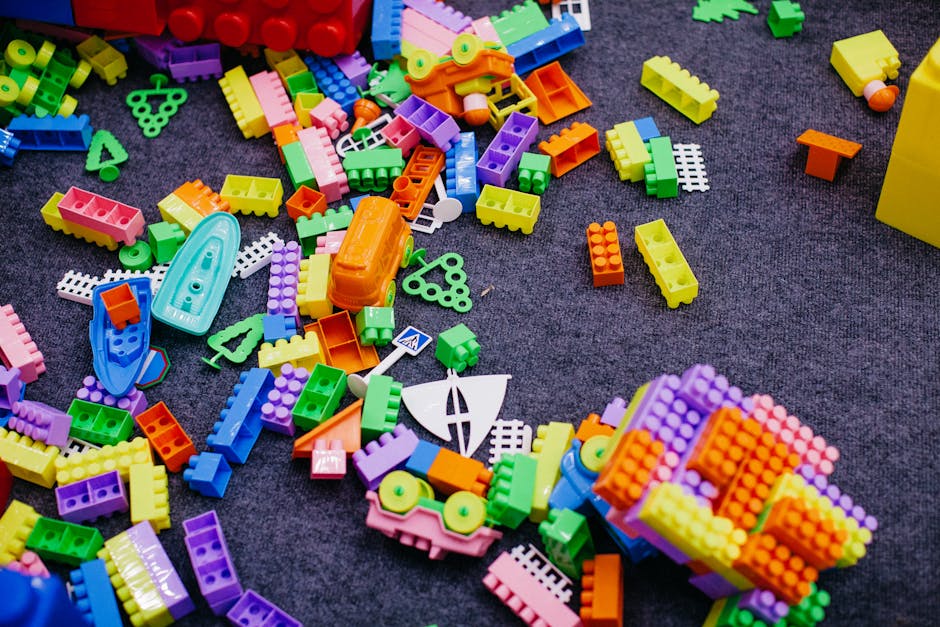
4Activity: The Multiplication Challenge 9 min
Guide the child to create specific multiplication problems using their items, both as distinct groups and as arrays (rectangles). Have them state the problem and count the total. Record some examples on paper.
Done when: Student has built at least three different multiplication arrangements (groups or arrays) and correctly counted the total for each.

5Summary: Multiplication Everywhere! 2 min
Reflect on what was learned. Ask them to share their key takeaways and connect multiplication to real-world scenarios. Reinforce the concept of 'equal groups'.
Done when: Student shares one key takeaway about multiplication (e.g., 'it's fast counting for groups') and/or gives a real-world example.
Beyond The Spark
Fuel their curiosity beyond the Spark with bonus extras.
Table Talk
Multiplication helps people quickly calculate costs for multiple identical items at a store, or figure out how many chairs are needed for rows of tables at an event.
Did You Know?
Multiplication tables were used by ancient Babylonians over 4,000 years ago!
Challenge
Design a 'multiplication menu' for a pretend restaurant. Each 'meal' has groups of items (e.g., 'Kids Meal: 3 chicken nuggets x 2 sides = ? total items').
Quick Recap Quiz 4 min
Customize this quiz, add questions, or follow your child's lead! Each question has a 'Parent Tip' to help them find the answer without giving it away.
1. What does '3 groups of 5' mean in math?
- Adding 3 and 5 together
- Counting 3 piles, with 5 items in each pile
Remind them multiplication is about equal groups. Ask them to show '3 groups of 5' with their items.
2. If you have 4 rows of 2 cookies, how many cookies do you have in total?
- 8 cookies
- 6 cookies
Encourage them to draw or use items to visualize 4 rows with 2 in each.
3. Multiplication helps you count faster when things are...
- Scattered all over the place
- In equal groups or rows
Ask why it's hard to multiply if things aren't organized into groups.
4. Which of these shows a 'multiplication problem'?
- An egg carton with 2 rows of 6 eggs
- A mixed fruit salad with different amounts of fruit
Revisit the idea of 'equal groups' or 'arrays' that multiplication uses.
Loved This Spark?
Scan to jump into the app and explore similar Sparks in our Sparks Hub. New to Mai? Start free with 10 Sparks, no credit card needed.