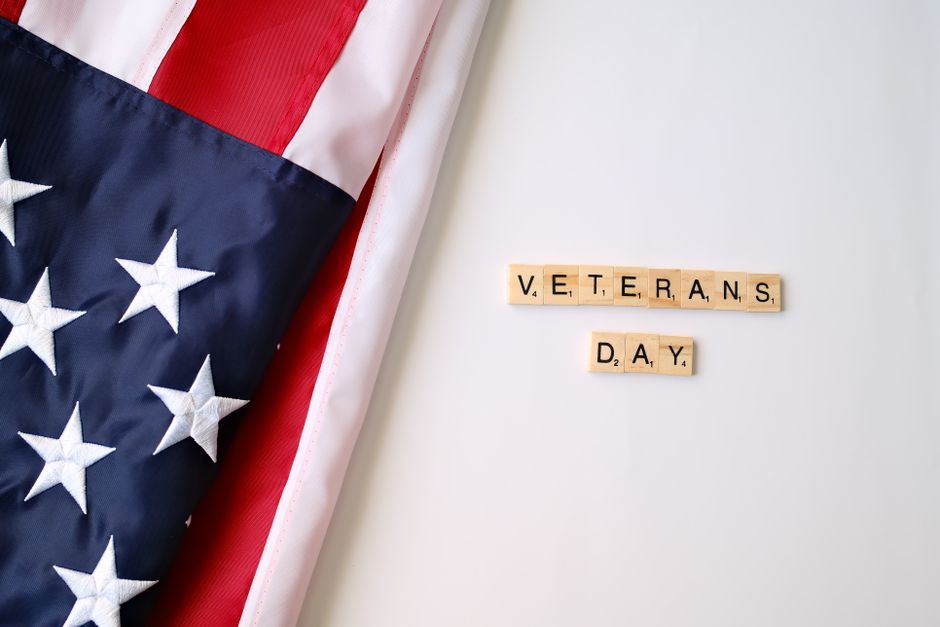
Build a Gratitude Symbol
This lesson helps families explore the meaning of Veterans Day by understanding what it means to serve and how to show gratitude. Children will design and create a unique symbol of appreciation for military veterans using simple household items.
Our goal: Learners will understand what a veteran is and the meaning of their service to our country. They will then be able to design and create a unique symbol to express their gratitude and reflect on the importance of remembrance.
What You Need
Plain paper • Pencil or pen • A few pieces of cereal or small fruit • Small breakfast items
and this is just the baseline.
Scan to jump into the app and easily personalize this Spark to match your child's exact learning level and see how Mai will guide this lesson.
Learning Guide
A simple guide to lead you through the kickoff, the core challenge, and everything in between.
Mai’s Tips
- Defining Service: When discussing 'service,' gently guide the child to understand that while many people serve (teachers, doctors), today's focus is on military service. This helps narrow the scope without invalidating other forms of helpfulness.
- Age-Appropriate Discussion: For younger children, keep the discussion around military service focused on 'keeping us safe' and 'helping our country' rather than complex ideas of war or conflict. For older children, you can briefly acknowledge that military service can involve difficult situations, but keep the emphasis on courage and sacrifice.
- Simplifying Abstract Concepts: If the concepts of 'veteran' or 'service' feel too abstract, bring it back to feelings: 'How does it feel to be safe?' or 'How does it feel when someone helps you?' This grounds the abstract in their personal experience.
- Respectful Tone: Throughout the lesson, maintain a tone of respect and gratitude. The goal is to foster appreciation, not to delve into politics or specific historical events unless the child is much older and brings it up.
For The Grown-Up
- A common mix-up: Children might think that all veterans are old, male, or have seen combat in a war.
- Try this: Ask, 'Do you think someone who just finished their military service last year, who never went to a war zone, is a veteran? Why or why not?' Then, explain that anyone who has served in the military is a veteran, regardless of age, gender, or combat experience, broadening their understanding.
- Explain it like this: Serving in the military is like being part of a very important team building a strong, safe house for everyone in the community. Each person on the team has a vital role to play in keeping the house sturdy and protected.
- A big question to ask: Is it possible to show true gratitude to someone you've never met, and who you might not even know exists?
1Breakfast Heroes 5 min
Begin by asking about the food on the table to lead into a discussion about people who help. The goal is to connect immediate helpers to broader community helpers, setting the stage for talking about veterans. Younger children can name family members; older children can name broader community roles.
Know Before You Teach
- Good to know: Everyone relies on others for help, from family to community members.
- Identifying helpers helps children understand interdependence.
- If they ask: Is Mom/Dad a helper? Yes! Your family members are some of your most important helpers every day.
- If they're stuck: Prompt with specific examples: 'Who made your breakfast? Who drives the bus to school?'
- Easier: Focus only on immediate family helpers.
- Harder: Ask them to categorize helpers: 'Who helps your body stay healthy? Who helps you learn?'
Done when: Child names a few people who help them or their community.

2Designing Our Thanks 8 min
Introduce Veterans Day and the idea of veterans. Explain that a symbol is something that stands for an idea or feeling. Encourage brainstorming what a symbol of gratitude, courage, or safety might look like using the simple materials you have. Younger children can describe shapes or colors; older children can suggest more complex imagery.
Know Before You Teach
- Good to know: Veterans Day is an official US holiday observed on November 11th.
- A symbol is an object or idea that represents something else.
- If they ask: What is a symbol? A symbol is like a picture or an object that stands for a big idea or feeling. Like a heart can be a symbol for love!
- Key words: Veteran: Someone who used to serve in the military.
- If they're stuck: Suggest some basic symbols like a heart for love, a shield for safety, or a star for courage, and ask which one feels right.
- Easier: Give them two choices for a symbol (e.g., 'a star or a shield?'), and ask which one they like best to show thanks.
- Harder: Ask them to think about what colors or shapes best represent courage or sacrifice, and why.
Done when: Child has a simple plan or idea for their symbol and the materials they might use.

3What is a Veteran? 6 min
Clearly define 'veteran' and 'service'. Use guiding questions to help the child understand these concepts. Let them offer their own ideas first, then gently correct or expand. For younger children, focus on 'helpers who keep us safe'; for older children, discuss the commitment and different roles in military service.
Know Before You Teach
- Good to know: Service involves commitment, discipline, and often sacrifice for a greater good.
- If they ask: Are only men veterans? No, absolutely not! Men and women both serve in the military and can be veterans. People from all backgrounds can serve our country.
- Key words: Service: Dedicating your time and effort to help others or your country, like a soldier helping to keep everyone safe.
- If they're stuck: Give an example: 'A firefighter performs a service by putting out fires. What kind of service does someone in the military do?'
- Easier: Focus on 'veterans are people who helped our country be safe.'
- Harder: Ask: 'What kind of qualities do you think someone needs to have to serve in the military?'
Done when: Child can explain 'veteran' and 'service' in their own words, connecting them to the idea of helping or protecting.

4Crafting Gratitude 9 min
Provide the materials and encourage the child to start building their symbol. Facilitate by asking questions about their design choices rather than directing them. Ensure both younger and older children have space to express their ideas – younger children might draw simple shapes or arrange items, while older children might write words or create more detailed designs. The symbol is complete when the child feels it represents their message.
Know Before You Teach
- Good to know: Creativity in expressing gratitude is personal and valuable.
- The act of creating helps solidify understanding and connection to a topic.
- If they ask: Does it have to be perfect? Not at all! The most important part is that you are thinking about how to show your gratitude and creating something from your heart. It's your unique symbol.
- It's working when: Child is engaged in arranging items or drawing with a clear purpose related to their chosen message.
- If they're stuck: Suggest starting with the paper as a background and adding one small item that represents their biggest idea first.
- Easier: Pre-draw a simple outline (like a heart or star) on the paper and ask them to fill it in with the cereal or draw inside it.
- Harder: Challenge them to incorporate at least three different ideas into their symbol, each represented by a different element.
Done when: Student has completed their physical gratitude symbol.

5Sharing Our Symbols 2 min
Ask the child to explain their symbol's meaning and what it represents. Reinforce the key takeaways about Veterans Day and gratitude. For younger children, ask what one part of their symbol means; for older children, ask about the overall message and what they learned about serving others.
Know Before You Teach
- Good to know: Reflection helps consolidate learning and makes it more memorable.
- Sharing personal meaning fosters a deeper connection to the topic.
- If they ask: What happens on Veterans Day? On Veterans Day, many people take time to thank veterans. There might be parades or ceremonies, and people might visit monuments or even just tell a veteran 'thank you' in person or with a card.
- It's working when: Child can articulate at least one meaning behind an element of their symbol.
- If they're stuck: Point to a part of their symbol and ask: 'What made you choose this part? What does it make you think of?'
Done when: Student shares the meaning of their symbol and one key takeaway from the lesson.
Beyond The Spark
Fuel their curiosity beyond the Spark with bonus extras.
Table Talk
Many people serve their communities in different ways, from firefighters and doctors to volunteers, all contributing to a strong and safe society.
Did You Know?
Did you know Veterans Day was once called Armistice Day, marking the end of World War I?
Challenge
Think of another way you could show appreciation to a veteran in your community, like writing a thank you note or drawing a picture for a local veterans' organization.
Quick Recap Quiz 4 min
Customize this quiz, add questions, or follow your child's lead! Each question has a 'Parent Tip' to help them find the answer without giving it away.
1. What is a veteran?
- Someone who is very old
- Someone who served in the military
Remind them that veterans are defined by their military service, not their age.
2. What does 'service' mean in the context of Veterans Day?
- Doing something helpful for your country or others
- Waiting in line at a store
Focus on the idea of dedication and effort for a greater good, not a quick action.
3. Why do we celebrate Veterans Day?
- To remember when a big holiday started
- To thank people who served in the military
Emphasize that it's a day of gratitude and recognition for their contributions.
4. How can you show appreciation to veterans?
- By saying thank you or creating something thoughtful
- By ignoring them
Encourage actions of gratitude, no matter how small, like a simple 'thank you' or a drawing.
Loved This Spark?
Scan to jump into the app and explore similar Sparks in our Sparks Hub. New to Mai? Start free with 10 Sparks, no credit card needed.