
Be a Snack Designer
This lesson challenges learners to become snack recipe designers by creating clear, step-by-step instructions. They will practice precise language and sequencing in a fun, real-world cooking activity. The goal is for someone else to be able to follow their recipe perfectly.
Our goal: In this spark, your learner will identify the key components of clear, sequential instructions, create a series of steps to describe how to make a simple snack and understand how precise language impacts communication and outcomes.
What You Need
Bread • Spread • Fruit • Plate • Child-safe Knife • Paper • Pencil
and this is just the baseline.
Scan to jump into the app and easily personalize this Spark to match your child's exact learning level and see how Mai will guide this lesson.
Learning Guide
A simple guide to lead you through the kickoff, the core challenge, and everything in between.
Mai’s Tips
- When your child is writing instructions, encourage them to read each step aloud to themselves. This helps them catch missing words or unclear phrasing.
- During the activity, follow their instructions literally. If they forget a step, gently point out that it wasn't written down, prompting them to see the consequence of incomplete instructions rather than correcting them directly.
Prep Before Session 10 min
- Gather snack ingredients: bread, spread (e.g., jam, cream cheese), fruit (e.g., sliced banana, berries), and a plate.
- Ensure a child-safe knife is available if needed for spreading or soft fruit.
- Have paper and a pencil ready.
1Introduction 5 min
Introduce the topic by explaining that instructions are steps that tell someone exactly how to do something, like a recipe or directions to a game. They help people understand tasks so they can do them right; the opposite is confusion. Ask your child to share an example of a time they gave instructions or followed them.
- Guiding questions: "Have you ever tried to explain how to do something to someone else?", "Like how to tie your shoes or play a game?", "What happens if your instructions aren't very clear?"
Let them share their experiences. Emphasize that clear communication is key for others to follow along successfully.
Done: Your child shares an example of giving or following instructions and understands the general concept.
Know Before You Teach
- Good to know: Instructions are a common way people share knowledge and skills, like in recipes, game rules, or directions.
- Clear instructions help others succeed at a task without confusion or mistakes.
- Everyone uses and gives instructions frequently, often without realizing it.
- If they ask: Why do we need to learn about instructions? Learning to give good instructions helps others understand you better and makes tasks go smoothly, whether it's building a toy or telling a friend how to play a game.
- If they're stuck: Describe a simple instruction you recently gave them, like 'Put on your shoes,' and ask what they did first.
- Easier: Provide a specific example, like 'telling your stuffed animal how to sit,' and ask them to explain the steps.
- Harder: Ask them to describe a time when unclear instructions led to a funny or frustrating outcome.
Done when: Student shares an example of giving or following instructions and understands the general concept.

2Explore & Plan 8 min
Help your child gather the necessary snack ingredients from the materials list: bread (or substitute), spread (or substitute), fruit (or substitute), a plate (or substitute), and a child-safe knife (if needed). Guide them to verbally break down the process of making their chosen snack into very small, sequential steps. Sequential means following one after another in a specific order, like 1, 2, 3; the opposite is random. Sequential steps ensure things happen correctly.
- Guiding questions: "What materials will you need for your snack?", "What's the very first thing you do?", "What's the next tiny action after that?"
Encourage them to think about what someone who knows nothing about making this snack would need to know. Do not write anything down yet.
Done: Your child has selected materials and verbally outlined the steps for their snack.
Know Before You Teach
- Good to know: Breaking a task into very small, individual steps makes it easier for someone else to follow.
- Thinking sequentially means considering the necessary order for actions to happen, ensuring nothing is missed or done at the wrong time.
- Imagine someone who has never seen this snack before; what tiny detail would they need to know?
- If they ask: Can I just say 'make the sandwich'? That's a great start, but we want to break it down even smaller so someone who's never made it knows exactly what to do first, second, and third.
- If they're stuck: Start the process for them, saying 'First, I would...' and have them continue, 'What would you do next?'
- Easier: Limit the snack to only two ingredients (e.g., cracker and cheese) to simplify the steps.
- Harder: Ask them to think of two different ways to make the same snack and verbally outline the steps for both.
Done when: Student has selected materials and verbally outlined the steps for their snack.

3Discussion 6 min
Lead a discussion about the snack steps your child just outlined. Focus on sequencing and precise language. Sequencing is putting things in the correct order. Precise language means using exact, specific words so there is no confusion; the opposite is vague. Precise language helps avoid mistakes.
- Guiding questions: "Why is putting the steps in the right order so important?", "What if you told someone to eat the bread before they put the spread on it?", "What kind of words can we use to make sure our instructions are super clear so no one gets confused?"
Guide them to discover the importance of order and specific words rather than giving direct answers.
Done: Your child understands the importance of order and descriptive language in instructions.
Know Before You Teach
- Good to know: The order of steps (sequencing) is critical because doing things out of order can lead to a messed-up snack or a task that can't be completed.
- Using exact words (precise language) avoids misunderstandings; words like 'some' or 'put it there' can be confusing because they aren't specific.
- If they ask: Why can't I just say 'put stuff on'? If you just say 'stuff,' someone might put the wrong things, or too much, or put it on the wrong spot. Precise words like 'spread the jam' tell them exactly what to do.
- It's working when: The child uses words like 'first,' 'next,' or 'after that' when discussing their steps.
- If they're stuck: Ask them what would happen if they tried to spread jam on a slice of bread before taking the bread out of the bag.
- Easier: Focus only on whether the steps are in the correct order, without emphasizing specific wording yet.
- Harder: Challenge them to use a 'power word' (like 'carefully,' 'gently,' 'firmly') for at least one step in their verbal instructions.
Done when: Student understands the importance of order and descriptive language in instructions.
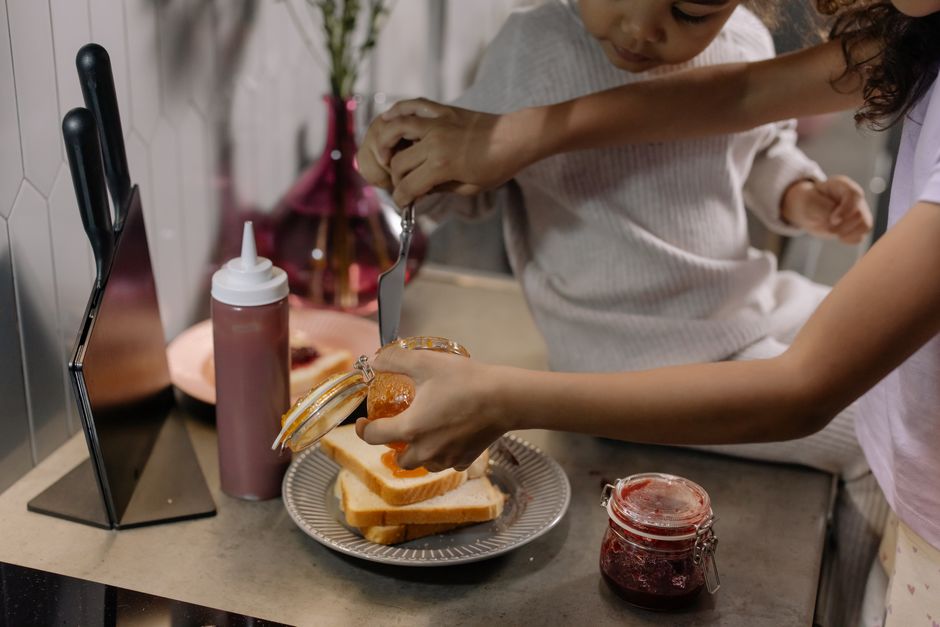
4Activity 9 min
Provide paper and a pencil (or substitutes). Encourage your child to write their snack instructions independently. Support them if they get stuck on wording, but avoid writing any part of the instructions for them. Once the instructions are written, you (or another family member) should attempt to follow them exactly as written, even if they seem imperfect, to highlight the need for clarity. Supervise the use of any kitchen tools, especially the child-safe knife.
- Guiding questions: "What's the very first thing someone needs to do for your snack?", "How can you make that step super clear for someone who's never made it?", "What word could you use to tell them exactly what to do next?"
Done: Your child has written their snack instructions, and an adult has attempted to follow them.
Know Before You Teach
- Good to know: Writing down instructions makes them permanent and allows someone else to follow them even when you're not there to explain.
- The act of trying to follow unclear instructions helps reveal exactly where the writing needs to be more precise or where a step is missing.
- Encourage the use of action verbs (e.g., 'spread,' 'place,' 'cut') to make instructions very clear.
- If they ask: Can you write it for me? No, this is your special recipe! I can help you think of words or spell them, but the words need to be yours so they are exactly what you want to say.
- It's working when: The child attempts to write at least two complete, sequential sentences for their snack recipe.
- If they're stuck: Ask them to imagine telling a robot how to make the snack and what words the robot would need to understand.
- Easier: Offer to be their 'secretary' and write the words down exactly as they say them, without changing anything.
- Harder: Ask them to add a 'safety tip' or a 'pro tip' to one of their steps.
Done when: Student has written their snack instructions and an adult has attempted to follow them.
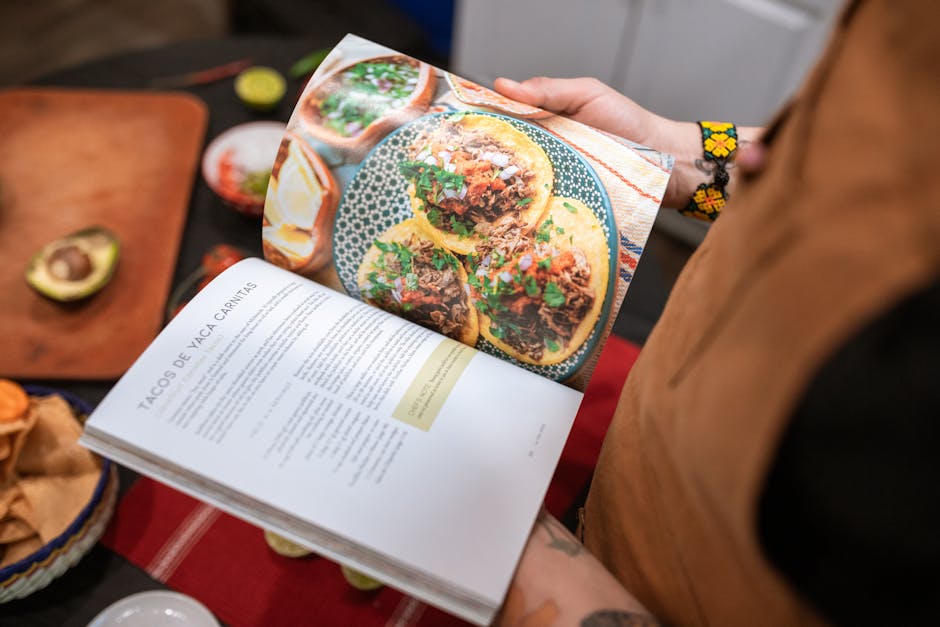
5Summary 2 min
Celebrate your child's effort in creating and testing their recipe! Discuss what worked well in their instructions and what might have been confusing when you followed them.
- Guiding questions: "How did it feel to see someone follow your instructions?", "What did you learn about making instructions super clear today?", "What would you do differently next time you write instructions?"
Connect this learning to other areas where instructions are important, like playing games, doing chores, or school assignments.
Done: Your child shares one key takeaway about writing or following instructions.
Know Before You Teach
- Good to know: Reflecting on what worked and what was confusing helps solidify the learning about clear communication.
- The skills practiced in designing a snack recipe (sequencing, precise language) are transferable to many other daily tasks and academic challenges.
- Every attempt to give instructions, even if imperfect, is a step towards becoming a better communicator.
- It's working when: The child articulates at least one specific detail that made their instructions clear or unclear.
- If they're stuck: Ask them, 'What was the trickiest part for me when I was trying to follow your instructions?'
- Easier: Ask them to simply share one thing they liked about being a 'snack designer.'
- Harder: Ask them to identify one specific instruction they will try to make clearer the next time they explain something to someone else.
Done when: Student shares one key takeaway about writing or following instructions.
Beyond The Spark
Fuel their curiosity beyond the Spark with bonus extras.
Table Talk
Chefs, builders, and game creators all need to give very clear instructions for others to follow.
Challenge
Create a 'how-to' guide for another simple household task, like setting the table or watering a plant, then have a family member try to follow it.
Quick Recap Quiz 4 min
Customize this quiz, add questions, or follow your child's lead! Each question has a 'Parent Tip' to help them find the answer without giving it away.
1. What makes instructions good?
- Lots of long words
- Clear steps in order
Remind them about the snack recipe: 'What happened when we knew exactly what to do next?'
2. What happens if a step is missing?
- The person might get stuck or do it wrong
- It makes the instructions faster to read
Ask, 'Remember when you had to tell me what to do because I couldn't find it in your steps?'
3. Why do we use words like 'first', 'next', 'then'?
- To make the instructions longer
- To show the order of the steps
Connect it to the importance of sequencing discussed earlier. 'What happens if we do things out of order?'
4. Who needs good instructions in real life?
- Chefs, game makers, and builders
- Only people who read books
Expand on the 'Extra Spark' idea. 'Can you think of anyone else who helps people do things by giving instructions?'
Loved This Spark?
Scan to jump into the app and explore similar Sparks in our Sparks Hub. New to Mai? Start free with 10 Sparks, no credit card needed.